





By Naina, 19th June 2026
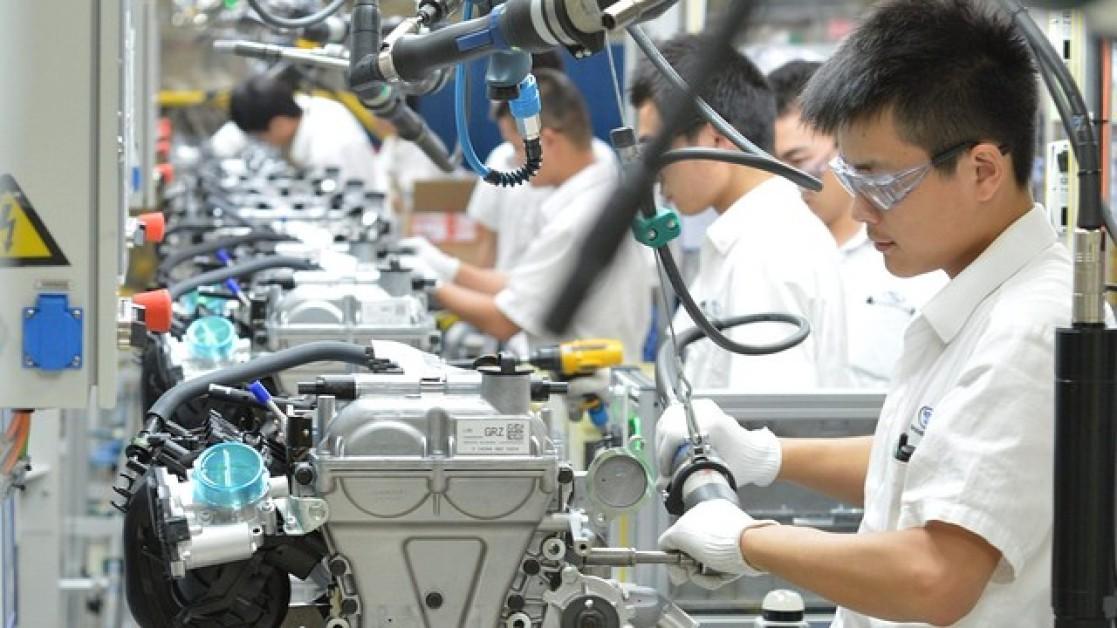
The story of how China built manufacturing dominance has emerged as one of the most consequential industrial transformations in modern global economic history, and the cumulative architecture through which the broader Chinese manufacturing transformation operates represents one of the most comprehensive industrial transformation narratives globally. For most of the modern history of global manufacturing activity, China operated through recognisable patterns built around the broader range of agrarian considerations that earlier generations of Chinese economic activity progressively navigated. The current cycle has produced a fundamentally mature Chinese manufacturing landscape that operates through the comprehensive structural architecture comprising the 1978 Reform and Opening Up policy under Deng Xiaoping, the broader Special Economic Zones architecture established in the 1980s, the rising significance of WTO accession in 2001, the broader integration of Made in China 2025 industrial policy, the broader range of supporting institutional infrastructure including BYD, CATL, Huawei and the broader range of Chinese manufacturing champions and the cumulative range of additional dimensions that constitute the broader Chinese manufacturing transformation. China is now the world's largest manufacturer, accounting for nearly approximately 30 percent of global output. China produces approximately 60 percent of the world's semiconductors and approximately 70 percent of EV batteries. Approximately 100 million Chinese citizens migrated from rural areas to urban manufacturing centres during this transformation. The story has profound implications for the broader Indian manufacturing activity, with Indian manufacturing policy progressively shaped by lessons from China's manufacturing dominance across multiple consequential dimensions.
What sits beneath these aggregate considerations is a deeper transformation in how China progressively built the broader manufacturing capability over four decades. The combination of the comprehensive Chinese manufacturing transformation, the broader integration of multiple consequential phases of transformation including the 1978 Reform foundation, the SEZ experimentation, the WTO accession boom, the manufacturing cluster development, the Made in China 2025 industrial policy, the rising significance of Chinese manufacturing capability in shaping global manufacturing positioning, the cumulative impact of multiple converging developments on the broader Chinese manufacturing ecosystem and the broader strategic significance of Chinese manufacturing dominance globally has produced a Chinese manufacturing transformation that has progressively shaped the broader global manufacturing landscape including India's manufacturing landscape. The decisions reflected in Chinese manufacturing strategy will continue to shape the trajectory of global manufacturing for the next generation. This analysis surveys how China built manufacturing dominance in 2026, with implications for India woven throughout.
The Pre-Reform Foundation
The pre-reform foundation has emerged as one of the most consequential dimensions of the broader Chinese manufacturing transformation. Before 1978, more than approximately 80 percent of Chinese citizens worked in agriculture. The economy was self-contained, with limited foreign trade. The combination of this pre-reform foundation, the broader integration of pre-reform foundation considerations into the Chinese manufacturing transformation and the cumulative impact on Chinese manufacturing positioning has reflected the broader pre-reform foundation framework.
The agricultural economy dimension has been particularly consequential. The combination of the broader Chinese agrarian economy, the broader range of structural considerations limiting Chinese manufacturing activity and the cumulative impact on Chinese manufacturing positioning has reflected the broader agricultural economy framework.
The 1978 Deng Xiaoping Reforms
The 1978 Deng Xiaoping reforms have emerged as one of the most consequential dimensions of the broader Chinese manufacturing transformation. The transformation of China's manufacturing industry began in the late 1970s with the reform and opening-up policy initiated by Deng Xiaoping. The combination of these 1978 Deng Xiaoping reform considerations, the broader integration of 1978 reforms into Chinese manufacturing activity and the cumulative impact on Chinese manufacturing positioning has positioned the 1978 reforms as the foundational dimension of contemporary Chinese manufacturing activity.
The Third Plenary Session dimension has been particularly consequential. Then came the Third Plenary Session of the 11th Central Committee. Deng Xiaoping's leadership marked a clear break from Maoist orthodoxy. The focus shifted to "Reform and Opening Up," allowing foreign investment and private enterprise. The combination of these Third Plenary Session considerations, the broader integration of Third Plenary Session into Chinese manufacturing activity and the cumulative impact on Chinese manufacturing positioning has reflected the broader Third Plenary Session framework.
The Singapore inspiration dimension has been equally consequential. Deng Xiaoping wanted to learn from the Singapore model of growth, and his visit to Singapore alone marked a turning point in the broader Chinese economic strategy. The combination of these Singapore inspiration considerations, the broader integration of Singapore inspiration into Chinese manufacturing activity and the cumulative impact on Chinese manufacturing positioning has reflected the broader Singapore inspiration framework.
The Special Economic Zones Architecture
The Special Economic Zones architecture has emerged as one of the most consequential dimensions of the broader Chinese manufacturing transformation. Special Economic Zones (SEZs) like Shenzhen became experimental hubs, drawing in foreign direct investment and acting as testing grounds for more liberalised economic policies. The combination of these SEZ considerations, the broader integration of SEZs into Chinese manufacturing activity and the cumulative impact on Chinese manufacturing positioning has positioned SEZs as one of the most consequential institutional dimensions of contemporary Chinese manufacturing activity.
The Shenzhen transformation dimension has been particularly consequential. In 1978, Shenzhen was a rice paddy. Forty years later, Shenzhen became the "Silicon Valley of Hardware," birthing Huawei and BYD. The combination of these Shenzhen transformation considerations, the broader integration of Shenzhen transformation into Chinese manufacturing activity and the cumulative impact on Chinese manufacturing positioning has reflected the broader Shenzhen transformation framework.
The 1980s SEZ establishment dimension has been equally consequential. The 1980s saw the establishment of Special Economic Zones (SEZs), such as Shenzhen, which became centers for foreign investment and production. Other key SEZs include Zhuhai, Xiamen, Shantou and later Hainan. The combination of these 1980s SEZ establishment considerations, the broader integration of 1980s SEZs into Chinese manufacturing activity and the cumulative impact on Chinese manufacturing positioning has reflected the broader 1980s SEZ establishment framework.
The 1990s Electronics Manufacturing Migration
The 1990s electronics manufacturing migration has emerged as one of the most consequential dimensions of the broader Chinese manufacturing transformation. Already in the 1990s, major electronics producers from Japan, South Korea, the US and Taiwan had shifted more and more manufacturing to China as the economy was opened because of its relatively low cost, abundant labour supply. The combination of these 1990s electronics manufacturing migration considerations, the broader integration of 1990s electronics manufacturing migration into Chinese manufacturing activity and the cumulative impact on Chinese manufacturing positioning has reflected the broader 1990s electronics manufacturing migration framework.
The Hong Kong gateway dimension has been particularly consequential. When China started its reforms, Hong Kong was already a world-class port and trading hub with a modern legal and financial system. This gave Chinese manufacturers quick access not only to global trade routes but also to much of the "soft" infrastructure needed for a modern economy. The combination of these Hong Kong gateway considerations, the broader integration of Hong Kong gateway into Chinese manufacturing activity and the cumulative impact on Chinese manufacturing positioning has reflected the broader Hong Kong gateway framework.
The Taiwan electronics migration dimension has been equally consequential. By the late 1980s, culturally similar Taiwan had established a sophisticated electronics industry, which moved en masse to China in the late 1990s, creating a world-class electronics manufacturing base almost overnight. The combination of these Taiwan electronics migration considerations, the broader integration of Taiwan electronics migration into Chinese manufacturing activity and the cumulative impact on Chinese manufacturing positioning has reflected the broader Taiwan electronics migration framework.
The 2001 WTO Accession
The 2001 WTO accession has emerged as one of the most consequential dimensions of the broader Chinese manufacturing transformation. China's 2001 accession to the World Trade Organization (WTO) marked a turning point, cementing its role as a key player in the global economy and dramatically increasing its exports almost overnight. The combination of these 2001 WTO accession considerations, the broader integration of 2001 WTO accession into Chinese manufacturing activity and the cumulative impact on Chinese manufacturing positioning has positioned the 2001 WTO accession as one of the most consequential institutional dimensions of contemporary Chinese manufacturing activity.
The WTO export boom dimension has been particularly consequential. After joining the WTO in 2001, export growth surged further, ultimately making China the world's largest manufacturer, accounting for nearly approximately 30 percent of global output. The combination of these WTO export boom considerations, the broader integration of WTO export boom into Chinese manufacturing activity and the cumulative impact on Chinese manufacturing positioning has reflected the broader WTO export boom framework.
The Battery Manufacturing Dominance
The battery manufacturing dominance has emerged as one of the most consequential dimensions of the broader Chinese manufacturing transformation. As part of this process, global battery production became concentrated in China. By 2003/2004, mainland China accounted for approximately 40 percent of the global production of nickel-metal hydride batteries, approximately 30 percent of sealed lead-acid batteries and, most importantly, approximately 29 percent of lithium-ion batteries (LIBs) — the type of battery that today powers electric vehicles. The combination of these battery manufacturing dominance considerations, the broader integration of battery manufacturing dominance into Chinese manufacturing activity and the cumulative impact on Chinese manufacturing positioning has reflected the broader battery manufacturing dominance framework.
The Chinese battery firm rise dimension has been particularly consequential. Initially, South Korean and Japanese firms dominated production in China, but local Chinese firms like BYD, ATL (the predecessor of CATL), Shenzhen BAK, Shenzhen B&K and Tianjin Lishen quickly caught up. The combination of these Chinese battery firm rise considerations, the broader integration of Chinese battery firm rise into Chinese manufacturing activity and the cumulative impact on Chinese manufacturing positioning has reflected the broader Chinese battery firm rise framework.
The Infrastructure Investment Architecture
The infrastructure investment architecture has emerged as one of the most consequential dimensions of the broader Chinese manufacturing transformation. Massive investments in infrastructure enabled efficient movement of goods from inland factories to global markets. Highways, high-speed rail networks and world-class ports ensured that supply chains ran smoothly. The combination of these infrastructure investment considerations, the broader integration of infrastructure investment into Chinese manufacturing activity and the cumulative impact on Chinese manufacturing positioning has reflected the broader infrastructure investment framework.
The container shipping revolution dimension has been particularly consequential. China was fortunate to open up to trade just at the moment when the shipping container, invented in the 1950s, was beginning to make possible the creation of global production chains, spanning multiple countries, because of steep reductions in long-distance shipping. The combination of these container shipping revolution considerations, the broader integration of container shipping revolution into Chinese manufacturing activity and the cumulative impact on Chinese manufacturing positioning has reflected the broader container shipping revolution framework.
The Labour Force Foundation
The labour force foundation has emerged as one of the most consequential dimensions of the broader Chinese manufacturing transformation. China's vast population provided a steady supply of relatively inexpensive, increasingly skilled labour. Internal migration from rural to urban areas ensured factories always had workers, while ongoing investment in training created a workforce adept at both basic and advanced manufacturing tasks. The combination of these labour force considerations, the broader integration of labour force considerations into Chinese manufacturing activity and the cumulative impact on Chinese manufacturing positioning has reflected the broader labour force framework.
The 100 million migration dimension has been particularly consequential. Over approximately 100 million Chinese migrated for these manufacturing jobs, turbocharging cities. The combination of these 100 million migration considerations, the broader integration of 100 million migration into Chinese manufacturing activity and the cumulative impact on Chinese manufacturing positioning has reflected the broader 100 million migration framework.
The Made in China 2025 Industrial Policy
The Made in China 2025 industrial policy has emerged as one of the most consequential dimensions of the broader Chinese manufacturing transformation. In 2015, "Made in China 2025" dropped like a bombshell — AI, robotics, semiconductors and the broader range of additional advanced manufacturing technologies. The combination of these Made in China 2025 considerations, the broader integration of Made in China 2025 into Chinese manufacturing activity and the cumulative impact on Chinese manufacturing positioning has positioned Made in China 2025 as one of the most consequential industrial policy dimensions of contemporary Chinese manufacturing activity.
The Semiconductor and EV Battery Dominance
The semiconductor and EV battery dominance has emerged as one of the most consequential dimensions of the broader Chinese manufacturing transformation. Today, China pumps out approximately 60 percent of the world's semiconductors and approximately 70 percent of EV batteries. The combination of these semiconductor and EV battery dominance considerations, the broader integration of semiconductor and EV battery dominance into Chinese manufacturing activity and the cumulative impact on Chinese manufacturing positioning has reflected the broader semiconductor and EV battery dominance framework.
The Tesla Shanghai dimension has been particularly consequential. Tesla's Shanghai factory hums with AI robots, with Elon Musk noting "China rocks. The energy here is off the charts." The combination of these Tesla Shanghai considerations, the broader integration of Tesla Shanghai into Chinese manufacturing activity and the cumulative impact on Chinese manufacturing positioning has reflected the broader Tesla Shanghai framework.
The CATL global EV battery dimension has been equally consequential. CATL's CEO Zeng Yuqun stated that "Our batteries power the world's EVs — nobody's even close," with CATL emerging as one of the most consequential global EV battery manufacturers. The combination of these CATL global EV battery considerations, the broader integration of CATL global EV battery into Chinese manufacturing activity and the cumulative impact on Chinese manufacturing positioning has reflected the broader CATL global EV battery framework.
The Spray and Pray Industrial Strategy
The spray and pray industrial strategy has emerged as one of the most consequential dimensions of the broader Chinese manufacturing transformation. China's industrial strategy can be characterised as a "spray and pray" approach — identifying where the world was going, which technologies would matter in ten or twenty years, and then flooding those sectors with enough capital that Chinese companies would inevitably end up dominating them, even if the waste along the way was colossal. The combination of these spray and pray considerations, the broader integration of spray and pray into Chinese manufacturing activity and the cumulative impact on Chinese manufacturing positioning has reflected the broader spray and pray framework.
The capital flooding dimension has been particularly consequential. China got solar panels wrong the first few times. It produced far more steel than the world needed. It built ghost cities. It wasted billions of dollars on non-productive investment. But in that churn, it also built BYD, Huawei and CATL — companies that now define global industries. The combination of these capital flooding considerations, the broader integration of capital flooding into Chinese manufacturing activity and the cumulative impact on Chinese manufacturing positioning has reflected the broader capital flooding framework.
The Made in China to Made by China Shift
The Made in China to Made by China shift has emerged as one of the most consequential dimensions of contemporary Chinese manufacturing activity. For four decades, China pursued one of the most consequential economic strategies in modern history by becoming indispensable to the world by producing goods faster and cheaper than anyone else. Since Deng Xiaoping's Reform and Opening Up in 1978, China's integration into global trade accelerated without modern precedent. The combination of these Made in China to Made by China shift considerations, the broader integration of Made in China to Made by China shift into Chinese manufacturing activity and the cumulative impact on Chinese manufacturing positioning has reflected the broader Made in China to Made by China shift framework.
The E-Commerce and AI Innovation
The e-commerce and AI innovation has emerged as one of the most consequential dimensions of contemporary Chinese manufacturing activity. Shein and Temu add the e-commerce layer, proving that Chinese firms can combine manufacturing speed, data-driven trend detection and direct-to-consumer distribution. The same shift is visible in technology. DeepSeek became a symbol of China's innovation surge, showing that advanced AI models can be built with efficiency, open-source distribution and the broader range of additional capabilities. The combination of these e-commerce and AI innovation considerations, the broader integration of e-commerce and AI innovation into Chinese manufacturing activity and the cumulative impact on Chinese manufacturing positioning has reflected the broader e-commerce and AI innovation framework.
The India Implications
The India implications of Chinese manufacturing dominance have emerged as one of the most consequential dimensions of contemporary Indian manufacturing activity. The combination of multiple India implications including the China + 1 strategy benefiting India, the broader integration of India implications into Indian manufacturing activity and the cumulative impact on Indian manufacturing positioning has produced India implication dynamics that affect significant dimensions of contemporary Indian manufacturing activity.
The China + 1 dimension has been particularly consequential. The broader China + 1 global sourcing strategy has progressively benefited India, with global manufacturers increasingly seeking alternatives to China for the broader range of supply chain considerations. India has progressively positioned itself as one of the principal beneficiaries of the broader China + 1 strategy across multiple sectors including electronics, textiles, EVs and the broader range of additional sectors. The combination of these China + 1 considerations, the broader integration of China + 1 into Indian manufacturing activity and the cumulative impact on Indian manufacturing positioning has reflected the broader China + 1 framework.
The India industrial policy lessons dimension has been equally consequential. Indian industrial policy can draw multiple lessons from China's manufacturing dominance journey including the spray and pray approach to industrial bets, the SEZ experimentation model, the cluster-based manufacturing architecture, the broader infrastructure investment imperative and the broader range of additional lessons. India's broader manufacturing scale-up through PLI Scheme, PM-MITRA, India Semiconductor Mission and the broader range of supporting industrial policy initiatives reflects these lessons. The combination of these India industrial policy lessons considerations, the broader integration of India industrial policy lessons into Indian manufacturing activity and the cumulative impact on Indian manufacturing positioning has reflected the broader India industrial policy lessons framework.
The Risks and the Frictions
Several risks warrant clear recognition. The first is the structural rebalancing dimension. The risk that China may face challenges in structural rebalancing from investment-led growth to consumption-led growth has been a significant consideration. The continued cultivation of rebalancing discipline will be central to addressing this risk.
The second risk is the geopolitical dimension. The risk that geopolitical tensions including US-China trade and technology competition may affect Chinese manufacturing activity has been a significant consideration.
The third risk is the demographic dimension. The risk that an ageing Chinese population may affect long-term Chinese manufacturing competitiveness has been a significant consideration.
The fourth risk is the wage rise dimension. The continued risk of rising Chinese wages eroding the labour cost advantage has been a significant consideration affecting long-term Chinese manufacturing outcomes.
The Direction of Travel
How China built manufacturing dominance represents one of the most consequential industrial transformations in modern global economic history. The combination of the pre-reform foundation, the 1978 Deng Xiaoping reforms, the Special Economic Zones architecture, the 1990s electronics manufacturing migration, the 2001 WTO accession, the battery manufacturing dominance, the infrastructure investment architecture, the labour force foundation, the Made in China 2025 industrial policy, the semiconductor and EV battery dominance, the spray and pray industrial strategy, the Made in China to Made by China shift, the e-commerce and AI innovation, the India implications and the broader range of additional dimensions has produced a Chinese manufacturing transformation that has progressively shaped the broader global manufacturing landscape. The implications run through every dimension of global manufacturing activity, of the broader Indian manufacturing landscape and of the cumulative architecture of contemporary global manufacturing activity.
For India specifically, China's manufacturing dominance journey has profound implications. The combination of the comprehensive Chinese manufacturing transformation, the rising integration of China implications into Indian manufacturing policy and the broader institutional sophistication of India-China manufacturing engagement has produced manufacturing conditions that earlier generations of Indian manufacturing could not have approached. The continued evolution of Chinese manufacturing activity will continue to shape both the global manufacturing landscape and the broader Indian manufacturing landscape, with India progressively positioned as one of the principal beneficiaries of the broader China + 1 strategy.
The longer-term implications extend beyond the immediate manufacturing considerations. The Chinese manufacturing transformation has fundamentally shaped the architecture of global manufacturing activity. The traditional global manufacturing environment, anchored on Western-led manufacturing, has been progressively complemented by the comprehensive Chinese manufacturing dominance that has fundamentally positioned China as one of the most consequential manufacturing actors globally. The implications for global manufacturing competitiveness, for the broader Indian manufacturing activity and for the cumulative architecture of global manufacturing development have been substantial.
The decisions reflected in Chinese manufacturing transformation, by Chinese policymakers shaping Chinese manufacturing positioning, by the broader range of global manufacturing actors engaging with Chinese manufacturing activity and by the cumulative range of stakeholders engaging with the broader Chinese manufacturing landscape, will continue to shape the trajectory of global manufacturing activity for the next generation. How China built manufacturing dominance is no longer a peripheral consideration of global manufacturing activity. It has become the structural reality of contemporary global manufacturing activity, the principal alternative manufacturing framework through which significant portions of global manufacturing activity engage with the Chinese manufacturing model and one of the most consequential dimensions of the broader global manufacturing transformation. The transformation continues. The structural sophistication is real. The implications, for global manufacturing competitiveness, for the broader Indian manufacturing activity and for the cumulative architecture of global manufacturing development, will continue to develop through the rest of the present year and beyond.
How China built manufacturing dominance has emerged as one of the most consequential industrial transformations of contemporary global manufacturing activity, and its continued evolution will reshape the broader trajectory of global manufacturing activity, the cumulative architecture of Indian manufacturing transformation and the broader Indian positioning in the global manufacturing landscape for the generation to come toward the Viksit Bharat 2047 vision. The work of building distinctive Indian manufacturing capability in response to China manufacturing activity continues, and the next chapter of Indian manufacturing activity in the global manufacturing order is being written, in real time, in the broader Indian manufacturing scale-up benefiting from the China + 1 strategy, in the broader range of Indian policy innovations being progressively integrated into Indian manufacturing activity, in the rising integration of advanced manufacturing infrastructure into Indian manufacturing activity and in the cumulative range of Indian manufacturing activity that has progressively built the broader Indian manufacturing ecosystem in response to China manufacturing activity.
 Related News
POST A COMMENT (0)
All Comments (0)
Replies (0)