





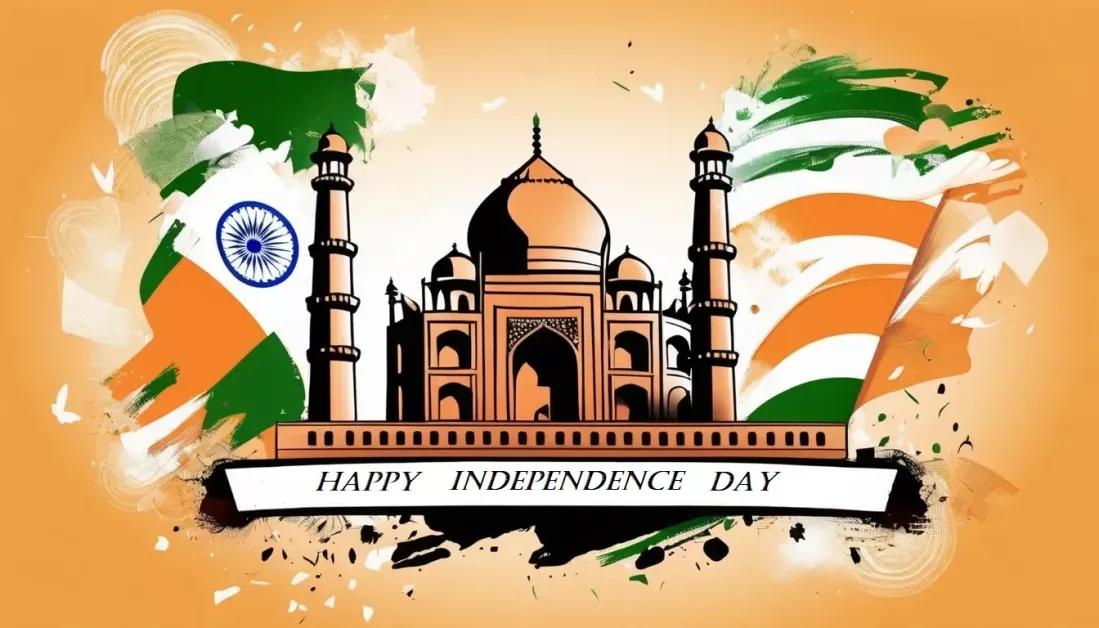
Happy Independence Day 2025: Date, History, Significance, and Everything You Need to Know
Introduction
On 15 August 2025, the tricolour will once again soar over the historic Red Fort in Delhi, the sound of the national anthem will echo across the nation, and the hearts of over 1.4 billion Indians will swell with pride. This year marks India’s 79th Independence Day, a commemoration of the moment in 1947 when India broke free from the shackles of British colonial rule after nearly two centuries of domination.
Independence Day is far more than a public holiday—it is a tribute to the relentless sacrifices of our freedom fighters, a reminder of the painful struggle of Partition, and a celebration of the country’s unity in diversity. In 2025, the theme “Naya Bharat” reflects India’s aspirations for transformation into a developed nation by 2047, as envisioned in the Viksit Bharat Mission.
This article will take you through everything you need to know—from its historical roots to modern celebrations, from emotional significance to the global context of 15 August.
Date and Calendar Placement for 2025
-
Date: Friday, 15 August 2025
-
Anniversary: 79th Independence Day
-
Holiday Status: National public holiday (all central, state government offices, schools, and most businesses remain closed)
-
Extended Weekend: Falling on a Friday, it creates a 3-day weekend, making it an ideal time for family gatherings and cultural trips.
The day begins early with community flag-hoisting ceremonies, patriotic songs on loudspeakers, and tricolour decorations in public spaces. By 7:30 AM, the eyes of the nation turn to Delhi for the Prime Minister’s address.
The Long Road to Freedom: Historical Background
India’s struggle for independence was a centuries-long movement of resistance, reform, and rebellion.
-
1600s–1800s: The British East India Company establishes control through trade, diplomacy, and military force.
-
1857: The First War of Independence (also called the Sepoy Mutiny) shakes British authority, laying the foundation for nationalist consciousness.
-
Late 19th–Early 20th Century: The Indian National Congress (INC) emerges as the main political voice demanding self-rule.
-
1919–1930s: Mass movements like the Non-Cooperation Movement and the Civil Disobedience Movement, led by Mahatma Gandhi, bring millions into the struggle.
-
1942: The Quit India Movement becomes a decisive call for the British to leave India immediately.
-
1947: After decades of political negotiations, protests, and sacrifices, the Indian Independence Act is passed, ending British rule.
Why 15 August Was Chosen
While the original plan was to grant India independence by 30 June 1948, British Viceroy Lord Mountbatten advanced the date to 15 August 1947, aligning it with the second anniversary of Japan’s surrender in World War II. This was meant as a symbolic gesture marking the end of both global conflict and colonial dominance.
1947: The First Independence Day
-
Midnight of 14–15 August 1947: Jawaharlal Nehru delivers his iconic “Tryst with Destiny” speech in Parliament.
-
Morning of 15 August: Nehru hoists the national flag above Lahori Gate of the Red Fort for the first time.
-
Across the country, people celebrate with parades, patriotic songs, and prayers, even as the shadow of Partition looms with violence and displacement.
From 1947 to 2025: How Celebrations Have Evolved
In the early decades, celebrations were modest, often centered around official government ceremonies and speeches. Over time, they have grown into national cultural spectacles featuring:
-
Parades and military displays showcasing India’s defense capabilities.
-
Cultural performances highlighting the country’s diversity.
-
Technological integration, with drones, LED projections, and social media livestreams.
-
Inclusion of citizens from various walks of life as honored guests.
Theme for 2025: “Naya Bharat”
The 2025 theme, “Naya Bharat” (New India), encapsulates the vision of a modern, developed, self-reliant, and globally influential India by 2047—the centenary of independence.
It focuses on:
-
Technological innovation.
-
Infrastructure growth.
-
Sustainable energy solutions.
-
Education and skill development.
-
Social equality and empowerment.
Official Celebrations at the Red Fort
The Red Fort ceremony is the centerpiece of Independence Day:
-
Arrival of the Prime Minister: Escorted by the horse-mounted President’s Bodyguard.
-
National Salute & Guard of Honour: Presented by the armed forces.
-
Flag Hoisting: The tricolour unfurls to the strains of the national anthem.
-
21-Gun Salute: A military tribute.
-
Prime Minister’s Address: Outlining achievements, challenges, and future vision.
-
Cultural Performances: School children and artists perform songs and dances.
-
Special Recognition: In 2025, 50 sanitation workers from Delhi are honored for their civic contribution.
State and Local-Level Celebrations
Each state celebrates with its own flavour—Kerala’s boat races, Punjab’s Gatka martial arts displays, Nagaland’s traditional dances, and Gujarat’s kite festivals.
Local clubs, housing societies, and NGOs organize:
-
Flag-hoisting
-
Patriotic skits
-
Essay competitions
-
Blood donation camps
Role of the Armed Forces
The Army, Navy, and Air Force not only participate in ceremonial salutes but also open their gates for public displays of military equipment and capabilities. The Indian Air Force’s aerial flower showers over the Red Fort remain a highlight.
Cultural Expressions of Patriotism
Independence Day has always been tied to India’s cultural memory:
-
Music: From “Vande Mataram” to “Teri Mitti.”
-
Cinema: Films like Lagaan, Rang De Basanti, and Uri are broadcast on television.
-
Fashion: Tricolour-themed attire and accessories trend across cities.
-
Social Media: Hashtags like #NayaBharat2025, #IndiaAt79 trend globally.
Global Celebrations and Diaspora Pride
Millions of Indians abroad mark the day with:
-
Flag hoisting at embassies.
-
Cultural festivals in cities like New York, London, and Dubai.
-
Online campaigns connecting global Indians.
Countries like South Korea, North Korea, and the Republic of Congo also celebrate important anniversaries on 15 August.
Economic and Tourism Impact
Independence Day boosts:
-
Domestic tourism, as people travel for events.
-
Retail sales of flags, ethnic clothing, and souvenirs.
-
Hospitality industry, with themed events and special menus.
Do’s and Don’ts: Respecting the Flag
According to the Flag Code of India:
-
The flag must never touch the ground.
-
It cannot be used for commercial purposes.
-
Paper and cloth flags should be disposed of respectfully.
Looking to 2047: India at 100
The journey to 2047 is not only about economic growth but also about strengthening democratic values, inclusivity, and global leadership.
As India celebrates its 79th Independence Day in 2025, the tricolour reminds us that freedom is both a gift and a responsibility. The spirit of Naya Bharat urges every citizen to contribute to the nation’s progress—ensuring that when India turns 100, it stands as a symbol of unity, prosperity, and justice.
 Related News
POST A COMMENT (0)
All Comments (0)
Replies (0)