





What Is SIEM? How Security Information and Event Management Works
Security Information and Event Management (SIEM) is a cybersecurity solution that helps organizations collect, analyze, and monitor security data from across their IT environments. By centralizing logs and security events from servers, endpoints, applications, cloud services, firewalls, and network devices, SIEM enables security teams to detect suspicious activity, investigate incidents, and respond to cyber threats more quickly. Today, SIEM platforms are a core component of Security Operations Centers (SOCs) and enterprise cybersecurity strategies.
What Is SIEM?

SIEM (Security Information and Event Management) is a cybersecurity platform that collects, correlates, analyzes, and stores security logs from multiple sources to detect threats and support incident response.
How SIEM Works
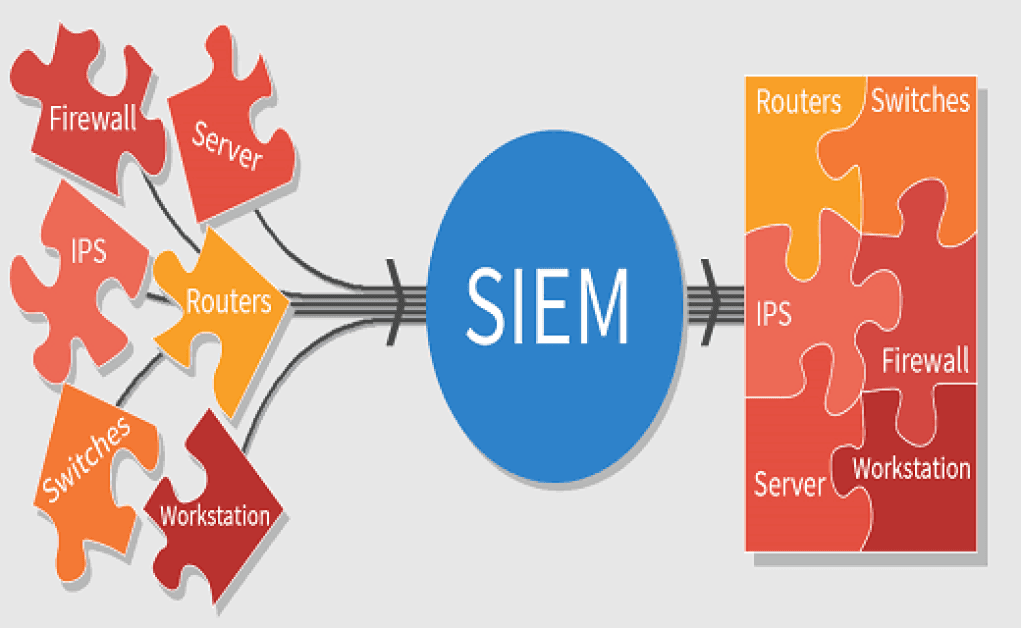
SIEM platforms gather logs and security events from endpoints, servers, firewalls, cloud environments, applications, identity systems, and network devices. They normalize this data, correlate related events, apply detection rules, and generate alerts when suspicious activity is identified. Security analysts then investigate and respond to these alerts.
Why SIEM Matters
Modern organizations generate millions of security events every day. SIEM helps security teams identify genuine threats, reduce response times, improve visibility, and support compliance with cybersecurity regulations.
Key Features of SIEM
Modern SIEM platforms provide several important capabilities.
Log Collection
SIEM collects logs from operating systems, applications, databases, firewalls, cloud services, network devices, and security tools.
Event Correlation
The platform analyzes related events from multiple systems to identify attack patterns that individual devices may not detect.
Real-Time Threat Detection
SIEM continuously monitors security events and generates alerts when suspicious or malicious activity is detected.
Security Dashboards
Interactive dashboards provide security teams with real-time visibility into threats, incidents, and system health.
Compliance Reporting
SIEM automatically generates reports that help organizations meet industry regulations and security standards.
Common SIEM Data Sources
SIEM platforms receive information from a wide range of systems.
Firewalls
Network traffic, blocked connections, and access attempts.
Endpoint Security Solutions
Threat detections, malware alerts, and device activity from Endpoint Detection and Response (EDR) platforms.
Identity and Access Management (IAM)
User logins, authentication events, Multi-Factor Authentication (MFA) activity, and privilege changes.
Cloud Platforms
Logs from cloud infrastructure, SaaS applications, storage services, and virtual machines.
Servers and Applications
Operating system logs, application events, database activity, and web server logs.
Benefits of SIEM
SIEM provides several important cybersecurity advantages.
Centralized Security Visibility
Security teams can monitor the entire IT environment from a single platform.
Faster Threat Detection
Correlating events from multiple sources helps identify attacks more quickly than isolated security tools.
Improved Incident Response
Detailed security data enables analysts to investigate incidents faster and reduce response times.
Better Compliance
SIEM simplifies auditing by storing security logs and generating reports for regulatory requirements.
Common SIEM Use Cases
Organizations use SIEM for many cybersecurity activities.
Detecting Malware and Ransomware
SIEM identifies suspicious behaviors that may indicate malware infections or ransomware attacks.
Monitoring User Activity
Security teams detect unusual login attempts, privilege escalation, or insider threats.
Identifying Network Attacks
SIEM helps uncover brute-force attacks, Distributed Denial-of-Service (DDoS) attacks, and unauthorized network access.
Supporting Threat Hunting
Analysts search historical security data to uncover hidden threats that automated alerts may miss.
Challenges of SIEM
Although powerful, SIEM solutions present several challenges.
Large Volumes of Data
Organizations generate massive amounts of log data that require efficient storage and processing.
Alert Fatigue
Poorly configured detection rules can generate excessive alerts, making it harder to prioritize genuine threats.
Complex Deployment
Implementing and tuning a SIEM platform requires experienced security professionals and ongoing maintenance.
Best Practices for Using SIEM
Following these recommendations improves SIEM effectiveness.
Integrate Multiple Data Sources
Collect logs from endpoints, cloud services, applications, firewalls, and identity systems for comprehensive visibility.
Continuously Tune Detection Rules
Regularly update correlation rules to reduce false positives and detect emerging attack techniques.
Combine SIEM with Threat Intelligence
Integrate real-time threat intelligence feeds to improve detection of known malicious indicators.
Automate Incident Response
Connect SIEM with Security Orchestration, Automation and Response (SOAR) platforms to accelerate investigation and remediation.
Monitor Continuously
Operate SIEM around the clock through a Security Operations Center (SOC) or managed security service.
Future of SIEM
SIEM platforms are evolving through Artificial Intelligence, machine learning, behavioral analytics, Extended Detection and Response (XDR), cloud-native architectures, and automated threat response. Future SIEM solutions will prioritize high-risk alerts more accurately, reduce analyst workloads, and provide predictive threat detection using AI-powered analytics. As cyber threats become increasingly sophisticated, SIEM will remain a foundational technology for enterprise cybersecurity.
Conclusion
Security Information and Event Management (SIEM) is a critical cybersecurity platform that provides centralized visibility, real-time threat detection, log management, and incident response capabilities. By collecting and analyzing security events from across an organization's IT environment, SIEM enables security teams to identify cyber threats faster and respond more effectively. Combined with threat intelligence, endpoint security, and Security Operations Centers, SIEM plays a vital role in protecting modern digital infrastructure.
 What Is SIEM? Complete Guide to Security Information and Event Management FAQs
POST A COMMENT (0)
All Comments (0)
Replies (0)