





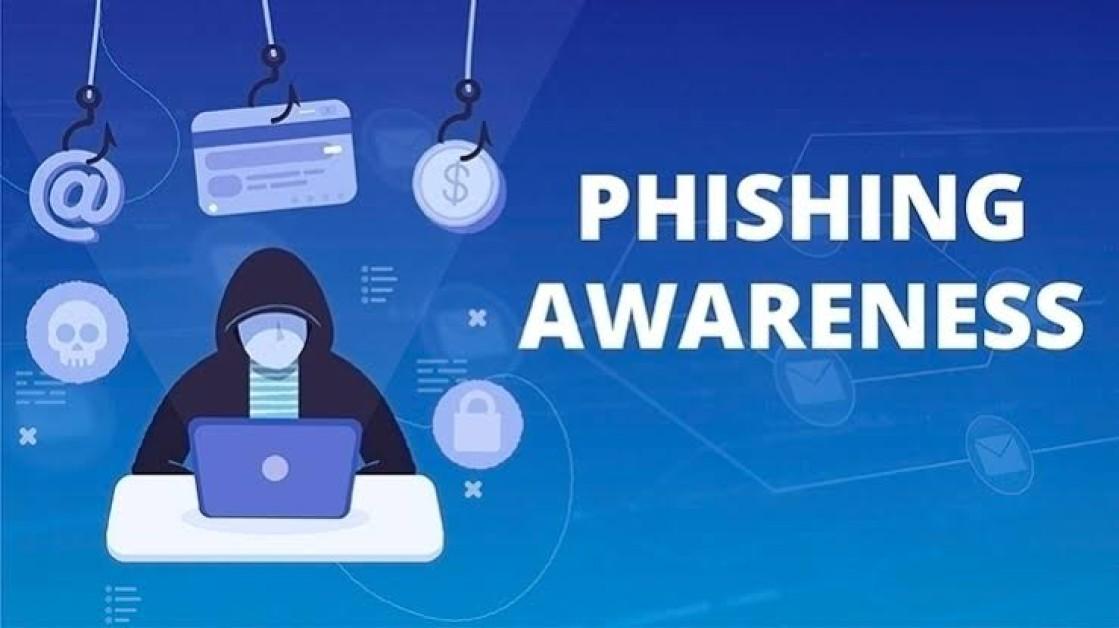
What Is Phishing and How to Avoid It: A Complete Guide
Phishing is one of the most common and dangerous forms of cybercrime. Cybercriminals use fake emails, text messages, websites, phone calls, and social media messages to trick people into revealing sensitive information such as passwords, bank details, credit card numbers, or personal data. These attacks often impersonate trusted organizations or individuals, making them difficult to recognize. Understanding how phishing works is essential for protecting yourself and your organization from identity theft, financial fraud, and data breaches.
What Is Phishing?

Phishing is a cyber attack in which attackers pretend to be a legitimate person or organization to deceive victims into sharing confidential information or downloading malicious software.
How Phishing Works
A phishing attack usually begins with a fraudulent message that appears to come from a trusted source, such as a bank, online service, employer, or government agency. The message often contains a fake website link, an attachment, or an urgent request designed to pressure the recipient into taking immediate action.
Why Phishing Is Dangerous
Phishing attacks can lead to stolen passwords, financial losses, identity theft, malware infections, ransomware attacks, and unauthorized access to personal or business accounts.
Common Types of Phishing Attacks
Phishing attacks come in several forms.
Email Phishing
Attackers send fraudulent emails that imitate legitimate organizations and encourage users to click malicious links or download infected attachments.
Spear Phishing
Spear phishing targets specific individuals or organizations using personalized information to make the attack appear more convincing.
Smishing
Smishing uses SMS or text messages containing fraudulent links or requests to trick users into revealing sensitive information.
Vishing
Vishing uses phone calls where attackers impersonate banks, government agencies, or technical support representatives to obtain confidential information.
Clone Phishing
Attackers copy a legitimate email and replace its links or attachments with malicious versions while making the message appear authentic.
Warning Signs of a Phishing Attack
Recognizing phishing attempts can help prevent cybercrime.
Unexpected Requests
Be cautious of unsolicited emails or messages asking for passwords, payment information, verification codes, or personal details.
Urgent Language
Phishing messages often create a false sense of urgency by claiming your account will be suspended, compromised, or locked unless you act immediately.
Suspicious Links
Always inspect website addresses before clicking. Fraudulent websites often use misspelled domain names or slight variations of legitimate URLs.
Poor Grammar or Unusual Formatting
Many phishing emails contain spelling mistakes, grammatical errors, or formatting inconsistencies, although sophisticated attacks may appear highly professional.
How to Avoid Phishing Attacks
Following good cybersecurity practices greatly reduces your risk.
Verify the Sender
Always confirm the sender's identity before responding to emails, messages, or phone calls requesting sensitive information.
Avoid Clicking Unknown Links
Instead of clicking links in unexpected messages, visit the organization's official website by typing the web address directly into your browser.
Enable Multi-Factor Authentication (MFA)
Using MFA adds an extra layer of security, making it more difficult for attackers to access your accounts even if they obtain your password.
Keep Software Updated
Regularly updating your operating system, browser, antivirus software, and applications helps protect against known security vulnerabilities.
Educate Yourself and Others
Learning how phishing attacks work and sharing cybersecurity awareness with family members and colleagues is one of the most effective defenses.
Future of Phishing Attacks
As Artificial Intelligence becomes more advanced, phishing attacks are becoming increasingly sophisticated. Attackers can generate convincing emails, realistic voice messages, and highly personalized scams using AI. At the same time, cybersecurity companies are using AI-powered threat detection, behavioral analysis, and automated security systems to identify phishing attempts more quickly. Staying informed and practicing good cyber hygiene will remain essential as online threats continue to evolve.
Conclusion
Phishing remains one of the most widespread cyber threats facing individuals and organizations today. By understanding how phishing attacks work, recognizing warning signs, and following cybersecurity best practices, you can significantly reduce your risk of becoming a victim. Combining awareness with strong security measures such as multi-factor authentication, software updates, and careful verification of messages provides the best protection against phishing scams.
 What Is Phishing? How to Identify and Avoid Phishing Attacks FAQs
POST A COMMENT (0)
All Comments (0)
Replies (0)