





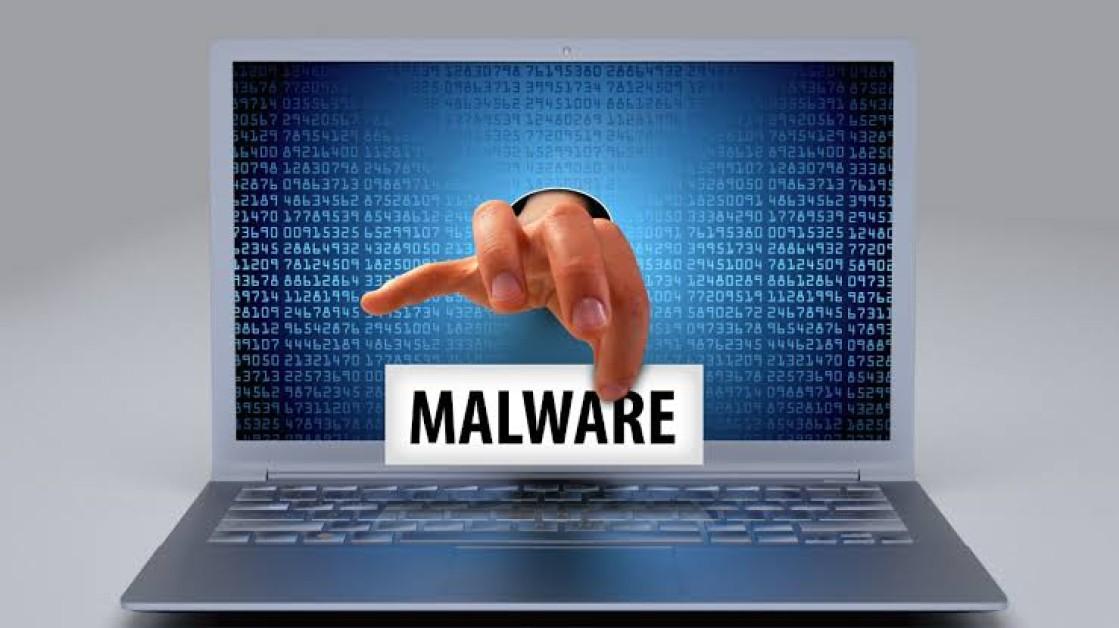
What Is Malware? Types, How It Works and How to Stay Protected
Malware, short for malicious software, is any software intentionally designed to damage computers, steal information, disrupt systems, or gain unauthorized access to devices and networks. Cybercriminals use malware to infect personal computers, smartphones, servers, and enterprise networks for financial gain, espionage, or sabotage. As cyber threats continue to evolve, understanding malware and how to defend against it has become essential for individuals and organizations alike.
What Is Malware?

Malware is a broad category of harmful software created to infiltrate, damage, or exploit computers, mobile devices, servers, and digital systems without the user's consent.
How Malware Works
Malware typically enters a device through phishing emails, malicious downloads, infected websites, software vulnerabilities, removable media, or compromised applications. Once installed, it may steal data, encrypt files, spy on user activity, display unwanted advertisements, or give attackers remote control of the infected system.
Why Malware Is Dangerous
Malware can lead to identity theft, financial fraud, data breaches, system failures, business disruption, privacy violations, and permanent loss of important files.
Common Types of Malware
Malware exists in several forms, each with different objectives.
Computer Viruses
A virus attaches itself to legitimate files or programs and spreads when those files are executed, often damaging data or disrupting system performance.
Worms
Worms spread automatically across networks without requiring user interaction, allowing infections to spread rapidly between devices.
Trojans
A Trojan disguises itself as legitimate software to trick users into installing it. Once active, it can steal information, install additional malware, or provide attackers with remote access.
Ransomware
Ransomware encrypts files or locks devices, demanding payment in exchange for restoring access to data.
Spyware
Spyware secretly monitors user activity, records keystrokes, collects personal information, and transmits sensitive data to attackers.
Adware
Adware displays unwanted advertisements and may collect browsing information to deliver targeted ads or generate revenue for attackers.
Common Signs of Malware Infection
Recognizing malware early can help reduce damage.
Slow System Performance
Devices may become unusually slow or unresponsive due to malware consuming system resources.
Frequent Pop-Up Ads
Unexpected advertisements or browser redirects can indicate adware or other malicious software.
Unauthorized Account Activity
Unknown logins, password changes, or suspicious financial transactions may result from malware stealing credentials.
Disabled Security Software
Some malware attempts to disable antivirus programs, firewalls, or security updates to avoid detection.
How to Protect Yourself from Malware
Strong cybersecurity habits can significantly reduce malware risks.
Install Trusted Security Software
Use reputable antivirus and anti-malware solutions that provide real-time protection and regular threat updates.
Keep Software Updated
Regularly install operating system and application updates to fix known security vulnerabilities.
Avoid Suspicious Downloads
Only download software, apps, and files from trusted websites and official app stores.
Be Careful with Emails
Do not open unexpected attachments or click suspicious links, even if they appear to come from familiar contacts.
Enable Multi-Factor Authentication (MFA)
MFA adds an additional layer of security to online accounts, helping protect against credential theft.
Benefits of Strong Malware Protection
Effective malware protection offers several advantages.
Better Data Security
Security measures help protect personal information, financial data, and business records from unauthorized access.
Improved System Performance
Keeping malware off devices helps maintain speed, stability, and overall system reliability.
Reduced Financial Risk
Preventing malware infections lowers the likelihood of fraud, ransom payments, recovery costs, and business disruptions.
Future of Malware
Cybercriminals are increasingly using Artificial Intelligence to create more sophisticated malware capable of avoiding detection and targeting victims more effectively. In response, cybersecurity companies are developing AI-powered threat detection, behavioral analytics, automated incident response, and zero-trust security models to combat emerging threats. As digital technology evolves, continuous cybersecurity awareness and proactive defense strategies will become even more important.
Conclusion
Malware remains one of the most common and dangerous cybersecurity threats affecting individuals and organizations worldwide. Understanding how malware works, recognizing warning signs, and following cybersecurity best practices can greatly reduce the risk of infection. By keeping software updated, using trusted security tools, avoiding suspicious downloads, and maintaining good cyber hygiene, users can better protect their devices, data, and digital identities.
 What Is Malware? Complete Guide to Malware and Protection FAQs
POST A COMMENT (0)
All Comments (0)
Replies (0)