





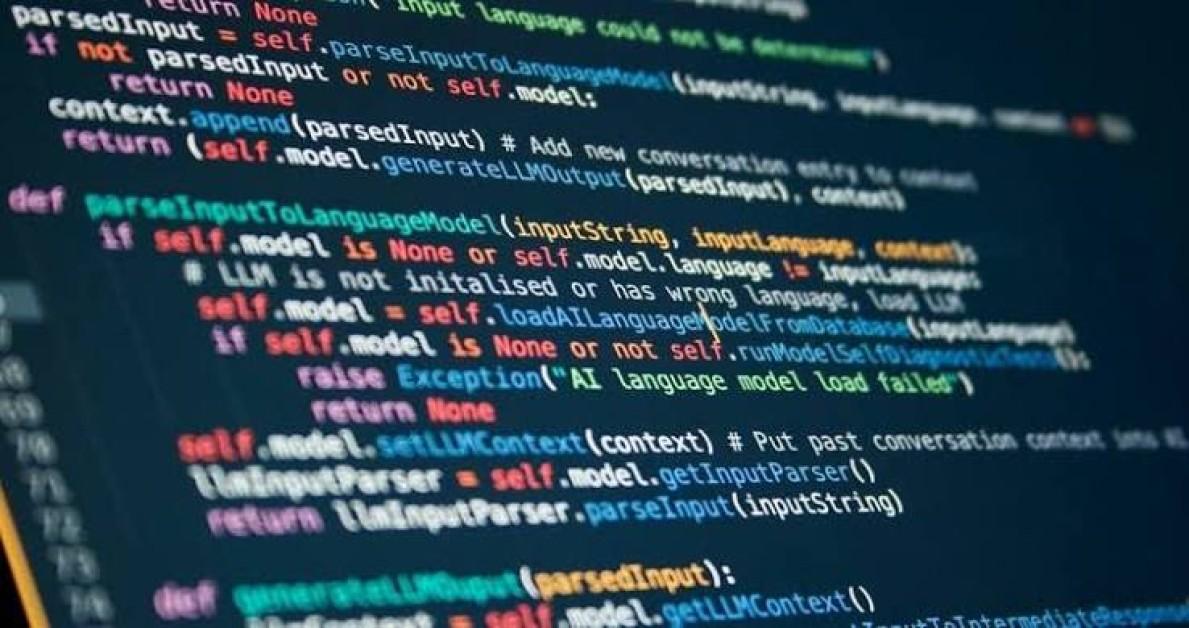
What Is a Programming Language? Types, Uses and Popular Examples
A programming language is a formal language used to write instructions that tell computers how to perform specific tasks. From websites and mobile apps to Artificial Intelligence (AI), video games, cloud platforms, and operating systems, programming languages are the foundation of modern software. They allow developers to create applications, automate processes, analyze data, and control hardware by translating human-readable code into instructions a computer can execute.
What Is a Programming Language?

A programming language is a structured set of syntax and rules that enables developers to write programs and software that computers can understand and execute.
How a Programming Language Works
Developers write source code using a programming language. This code is then translated into machine-readable instructions by a compiler, an interpreter, or a combination of both, depending on the language. The computer executes these instructions to perform tasks such as calculations, displaying information, processing data, or interacting with hardware.
Why Programming Languages Matter
Programming languages make it possible to build software, websites, mobile applications, databases, AI systems, operating systems, embedded devices, and countless other technologies that power the digital world.
Key Components of a Programming Language
Every programming language includes several essential elements.
Syntax
Syntax defines the rules for writing correctly structured code.
Variables
Variables store information that programs use and manipulate during execution.
Data Types
Data types define the kind of information a program can process, such as numbers, text, or logical values.
Functions
Functions are reusable blocks of code that perform specific tasks.
Control Structures
Conditional statements and loops control the flow of program execution.
Types of Programming Languages
Programming languages can be categorized in several ways.
High-Level Languages
High-level languages use syntax that is easier for humans to read and write, making software development faster and more productive.
Low-Level Languages
Low-level languages interact more directly with computer hardware and provide greater control over system resources.
Compiled Languages
Compiled languages convert source code into machine code before execution, often providing faster performance.
Interpreted Languages
Interpreted languages execute code line by line using an interpreter, making development and debugging more flexible.
Scripting Languages
Scripting languages automate tasks, enhance applications, and power many websites and system administration tools.
Popular Programming Languages
Different languages are designed for different purposes.
Python
Widely used for Artificial Intelligence, machine learning, data science, automation, and web development.
Java
Popular for enterprise software, Android application development, and large-scale business systems.
JavaScript
The primary language for creating interactive websites and modern web applications.
C++
Used in game development, operating systems, embedded systems, and high-performance applications.
C#
Commonly used for enterprise software, desktop applications, and game development with Unity.
Go
Designed for cloud computing, distributed systems, networking, and scalable backend services.
Rust
Known for memory safety and performance, making it popular for systems programming and secure software development.
Swift
Apple's primary programming language for iOS, iPadOS, macOS, watchOS, and tvOS application development.
Common Applications of Programming Languages
Programming languages power nearly every area of technology.
Web Development
Developers build websites, web applications, and online services.
Mobile Applications
Programming languages create apps for smartphones and tablets.
Artificial Intelligence
AI systems use programming languages to develop machine learning models and intelligent applications.
Data Science
Data scientists analyze large datasets, create predictive models, and visualize information.
Game Development
Developers build video games for computers, consoles, and mobile devices.
Cloud Computing
Cloud platforms use programming languages to develop scalable applications and infrastructure services.
Benefits of Learning Programming
Programming skills offer numerous advantages.
Career Opportunities
Programming is one of the most in-demand skills across technology industries.
Problem-Solving Skills
Coding encourages logical thinking, creativity, and structured problem-solving.
Automation
Programming allows repetitive tasks to be automated, improving productivity.
Innovation
Developers create new products, services, and technologies that solve real-world problems.
Flexibility
Programming knowledge can be applied across software development, cybersecurity, AI, robotics, cloud computing, finance, healthcare, and many other fields.
Challenges of Programming
Learning programming also presents several challenges.
Continuous Learning
Programming languages, frameworks, and development tools evolve rapidly.
Debugging
Finding and fixing software bugs requires patience and analytical thinking.
Security
Developers must write secure code to protect applications from cyber threats.
Performance Optimization
Efficient programming requires balancing speed, memory usage, scalability, and maintainability.
Best Practices for Programming
Developers should follow these recommendations.
Write Clean Code
Use clear naming conventions, consistent formatting, and modular design to improve readability.
Test Regularly
Perform automated and manual testing to identify errors before deployment.
Use Version Control
Track code changes and collaborate effectively using version control systems.
Document Code
Write meaningful documentation to simplify maintenance and teamwork.
Continue Learning
Stay updated with new programming languages, frameworks, security practices, and industry trends.
Future of Programming Languages
Programming continues to evolve through Artificial Intelligence, low-code and no-code platforms, cloud-native development, quantum computing, and automation. AI-powered coding assistants are helping developers write, review, and optimize code more efficiently, while modern languages increasingly prioritize security, scalability, and developer productivity. As technology advances, programming languages will remain fundamental to innovation across software, robotics, cybersecurity, AI, and digital infrastructure.
Conclusion
Programming languages are the foundation of modern computing, enabling developers to create software, websites, mobile apps, AI systems, and countless digital services. Each language is designed with specific strengths, making it suitable for different applications and industries. By learning programming concepts and choosing the right language for a particular project, developers can build reliable, secure, and scalable software that powers the digital world.
 What Is a Programming Language? Complete Guide Explained FAQs
POST A COMMENT (0)
All Comments (0)
Replies (0)