





What Is a Database? How It Works, Types, Benefits and Applications
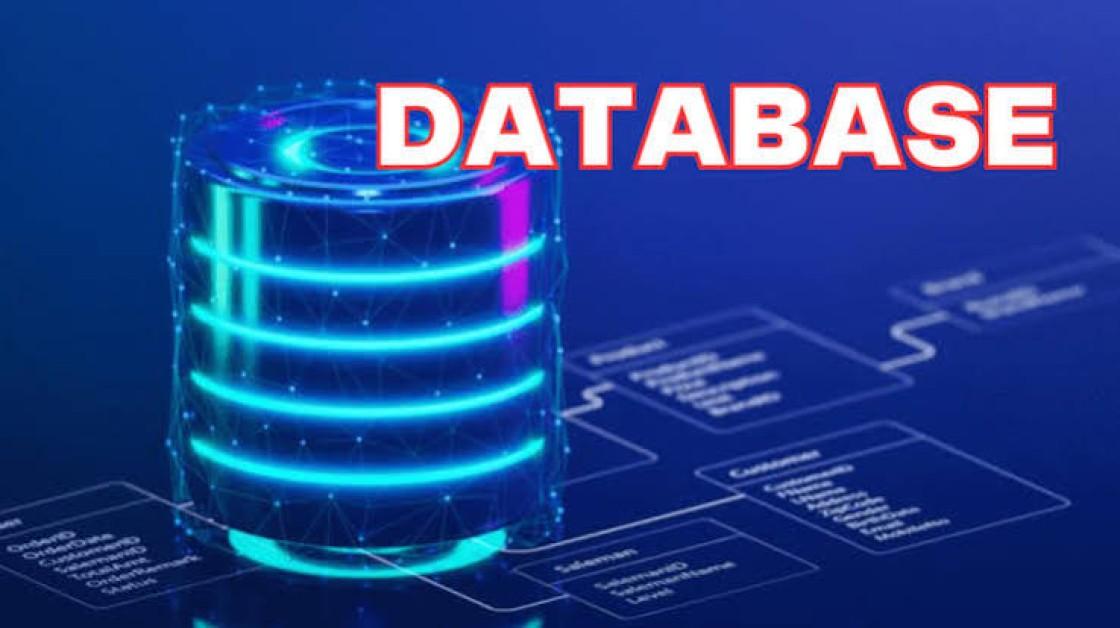
A database is an organized collection of data that is stored electronically and designed for efficient access, management, and updating. Databases power nearly every digital service we use today, from banking apps and e-commerce websites to healthcare systems, social media platforms, and enterprise software. Instead of storing information in scattered files, databases organize data into structured formats, making it easy to search, retrieve, modify, and analyze.
Modern databases are the foundation of cloud computing, Artificial Intelligence (AI), Big Data, business applications, and web development.
What Is a Database?

A database is a structured system for storing, organizing, and managing digital information so it can be accessed, updated, and processed efficiently.
How a Database Works
Information is stored in tables, documents, key-value pairs, graphs, or other data structures depending on the database type. Applications send queries to the database through a Database Management System (DBMS), which retrieves, updates, inserts, or deletes data while maintaining accuracy and consistency.
Why Databases Matter
Databases allow organizations to securely store massive amounts of information, support multiple users simultaneously, automate business processes, and provide fast access to critical data.
Key Components of a Database
Several elements work together to manage data efficiently.
Data
The information stored in the database, such as customer records, products, transactions, or employee details.
Database Management System (DBMS)
The software that creates, manages, secures, and controls access to the database.
Tables
In relational databases, data is organized into rows and columns, making it easy to store and retrieve structured information.
Queries
Queries allow users and applications to search, update, insert, or delete data using database languages such as SQL.
Indexes
Indexes improve search performance by helping databases locate information more quickly.
Types of Databases
Different database models are designed for different use cases.
Relational Databases (SQL)
Relational databases organize data into tables with predefined relationships. They are ideal for structured data and transactional applications.
NoSQL Databases
NoSQL databases store data in flexible formats such as documents, key-value pairs, graphs, or wide-column structures, making them suitable for large-scale and rapidly changing datasets.
Cloud Databases
Cloud databases are hosted on cloud infrastructure, providing scalability, high availability, and remote accessibility.
Distributed Databases
Data is stored across multiple servers or locations while appearing as a single database to users and applications.
In-Memory Databases
These databases store data primarily in system memory (RAM) to deliver extremely fast query performance.
Common Database Applications
Databases support a wide range of industries and technologies.
Banking
Store customer accounts, transactions, loan records, and payment information.
E-Commerce
Manage products, customer profiles, orders, inventory, and online payments.
Healthcare
Maintain electronic health records, appointments, prescriptions, and diagnostic information.
Education
Store student records, course information, grades, and learning resources.
Social Media
Manage user profiles, posts, comments, messages, and multimedia content.
Artificial Intelligence
Provide structured and unstructured data used for machine learning, analytics, and AI model training.
Benefits of Databases
Databases offer numerous advantages.
Efficient Data Management
Information is organized for quick storage, retrieval, and updates.
Improved Data Security
Access controls, encryption, authentication, and backup systems help protect sensitive information.
Better Data Integrity
Databases enforce rules that maintain data accuracy, consistency, and reliability.
Scalability
Modern databases can support growing amounts of data and increasing numbers of users.
Multi-User Access
Multiple users and applications can securely access the same database simultaneously.
Challenges of Database Management
Despite their advantages, databases present several challenges.
Security Risks
Databases may become targets for cyberattacks, unauthorized access, or data breaches if not properly protected.
Performance Optimization
Large databases require tuning and indexing to maintain fast query performance.
Backup and Recovery
Organizations must regularly back up data and test recovery procedures to prevent data loss.
Data Migration
Moving data between database systems can be technically complex and time-consuming.
Best Practices for Database Management
Organizations should follow these recommendations.
Implement Strong Access Controls
Use role-based permissions, Multi-Factor Authentication (MFA), and least-privilege access.
Encrypt Sensitive Data
Protect data both while stored and during transmission.
Perform Regular Backups
Maintain reliable backup and disaster recovery procedures.
Monitor Database Performance
Track storage usage, query performance, and system health continuously.
Keep Database Software Updated
Apply security patches and software updates promptly to reduce vulnerabilities.
Future of Databases
Databases continue to evolve through Artificial Intelligence, cloud-native architectures, distributed systems, serverless databases, autonomous database management, and vector databases for AI applications. AI-powered database platforms can automatically optimize performance, detect anomalies, and improve security. As organizations generate increasingly large and diverse datasets, databases will remain a critical foundation for digital transformation, analytics, cloud computing, and intelligent applications.
Conclusion
Databases are essential for organizing, storing, and managing digital information across virtually every industry. Whether supporting banking systems, healthcare records, e-commerce platforms, AI applications, or enterprise software, databases enable fast, secure, and reliable access to critical information. By choosing the right database technology and following strong security and management practices, organizations can build scalable systems that support innovation and long-term growth.
 What Is a Database? Complete Guide Explained in Detail FAQs
POST A COMMENT (0)
All Comments (0)
Replies (0)