





What Is a Data Center? How It Works, Types, Benefits and Applications
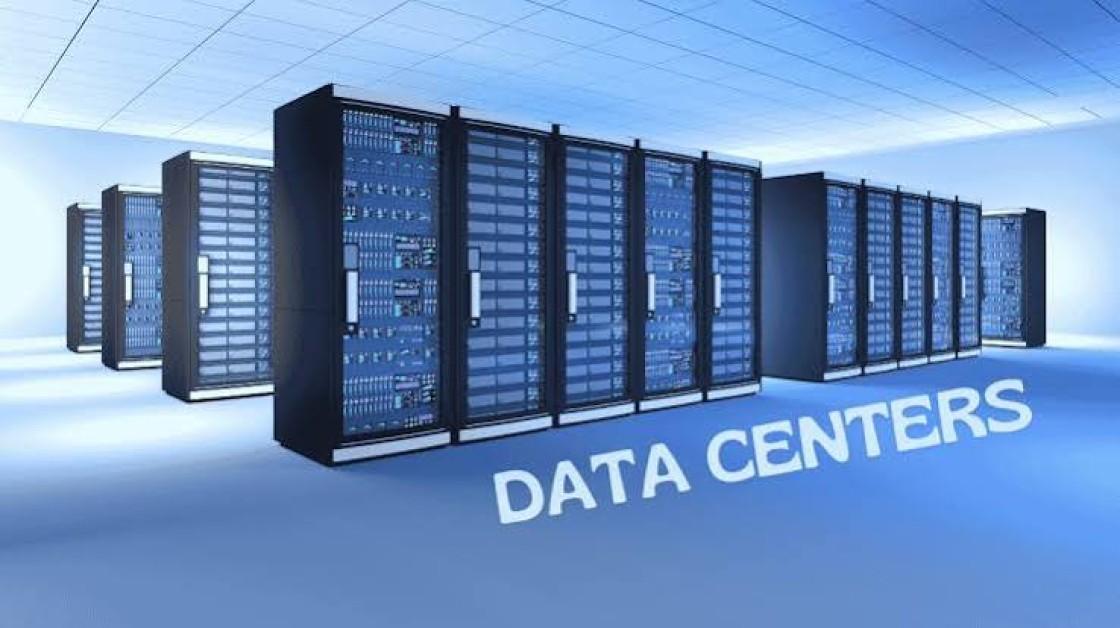
A data center is a specialized facility that houses servers, storage systems, networking equipment, and other IT infrastructure used to process, store, and manage digital information. Every time you stream a movie, send an email, use cloud storage, browse a website, or interact with an Artificial Intelligence (AI) application, your data is likely being processed in a data center.
Modern data centers are the backbone of the digital economy, supporting cloud computing, online banking, e-commerce, social media, healthcare systems, government services, enterprise applications, and AI workloads.
What Is a Data Center?

A data center is a secure physical facility that contains computing infrastructure—including servers, storage devices, networking hardware, and security systems—to run applications and store digital data.
How a Data Center Works
Applications, websites, and digital services send requests to servers located inside data centers. These servers process the requests, retrieve or store data, perform computations, and return results to users over the internet or private networks. Data centers also use backup systems, cooling equipment, and security controls to ensure continuous operation.
Why Data Centers Matter
Without data centers, cloud services, websites, mobile apps, streaming platforms, online payments, and AI services would not be able to operate reliably. They provide the computing power that keeps the digital world running.
Key Components of a Data Center
Several critical systems work together inside a data center.
Servers
Servers perform computing tasks, run applications, host websites, and process user requests.
Storage Systems
Storage devices securely store databases, files, applications, backups, and business information.
Networking Equipment
Routers, switches, firewalls, and load balancers connect servers and enable communication with users and other networks.
Power Infrastructure
Uninterruptible Power Supplies (UPS), backup generators, and power distribution systems keep operations running during electrical outages.
Cooling Systems
Air conditioning, liquid cooling, and airflow management prevent servers from overheating.
Physical Security
Access controls, surveillance cameras, biometric authentication, and security personnel protect data center facilities from unauthorized access.
Types of Data Centers
Organizations use different types of data centers depending on their needs.
Enterprise Data Centers
Owned and operated by individual organizations to support internal business operations.
Colocation Data Centers
Businesses rent physical space for their servers while the facility provides power, cooling, networking, and physical security.
Cloud Data Centers
Operated by cloud service providers to deliver cloud computing services over the internet.
Edge Data Centers
Smaller facilities located closer to users and devices to reduce latency and improve real-time application performance.
Hyperscale Data Centers
Massive facilities built to support millions of users, large-scale cloud services, Artificial Intelligence workloads, and global internet platforms.
Common Applications of Data Centers
Data centers support countless digital services.
Cloud Computing
Provide computing resources for Software as a Service (SaaS), Infrastructure as a Service (IaaS), and Platform as a Service (PaaS).
Artificial Intelligence
Supply the enormous computing power required for AI model training, inference, and large-scale data processing.
Web Hosting
Host websites, web applications, and online services for businesses and consumers.
Data Storage and Backup
Securely store business data, customer information, and disaster recovery backups.
Video Streaming
Deliver movies, television shows, live broadcasts, and online gaming services to users worldwide.
Business Applications
Support enterprise software such as customer relationship management (CRM), enterprise resource planning (ERP), and collaboration platforms.
Benefits of Data Centers
Modern data centers provide several important advantages.
High Availability
Redundant systems help ensure services remain available even if hardware fails.
Scalability
Organizations can expand computing resources as demand increases.
Enhanced Security
Physical and cybersecurity measures protect critical infrastructure and sensitive data.
Reliable Performance
Optimized networking and high-performance hardware deliver fast and consistent digital services.
Business Continuity
Backup systems and disaster recovery capabilities help minimize downtime during unexpected events.
Challenges of Data Centers
Despite their importance, data centers face several challenges.
High Energy Consumption
Large facilities require substantial electricity for servers, networking equipment, and cooling systems.
Cooling Requirements
Powerful computing hardware generates significant heat, requiring efficient cooling technologies.
Cybersecurity Risks
Data centers must defend against cyberattacks, insider threats, ransomware, and unauthorized access.
Infrastructure Costs
Building and operating modern data centers requires significant investment in hardware, networking, power, and physical facilities.
Best Practices for Data Center Management
Organizations should follow these recommendations.
Implement Strong Cybersecurity
Use firewalls, encryption, identity management, Multi-Factor Authentication (MFA), and continuous security monitoring.
Monitor Infrastructure
Track server health, network performance, power usage, and cooling efficiency in real time.
Maintain Backup Systems
Regularly test backup power supplies and disaster recovery procedures.
Improve Energy Efficiency
Adopt energy-efficient servers, advanced cooling technologies, and renewable energy where practical.
Update Hardware and Software
Apply firmware updates, security patches, and infrastructure upgrades regularly.
Future of Data Centers
Data centers are evolving rapidly with Artificial Intelligence, liquid cooling, edge computing, automation, renewable energy, modular designs, and hyperscale infrastructure. AI is improving workload optimization, predictive maintenance, and energy management, while advanced cooling technologies support increasingly powerful processors. As cloud computing, AI, 5G, and the Internet of Things (IoT) continue to expand, data centers will remain the foundation of the world's digital infrastructure.
Conclusion
Data centers are the backbone of the modern internet, providing the computing power, storage, networking, and security needed to support today's digital services. From cloud computing and AI to banking, healthcare, streaming, and e-commerce, nearly every online activity depends on reliable data center infrastructure. As technology continues to evolve, data centers will play an even greater role in enabling innovation, supporting global connectivity, and powering the future of the digital economy.
 What Is a Data Center? Complete Guide Explained in Detail FAQs
POST A COMMENT (0)
All Comments (0)
Replies (0)