





What Is a Data Breach? Causes, Risks and How to Prevent It
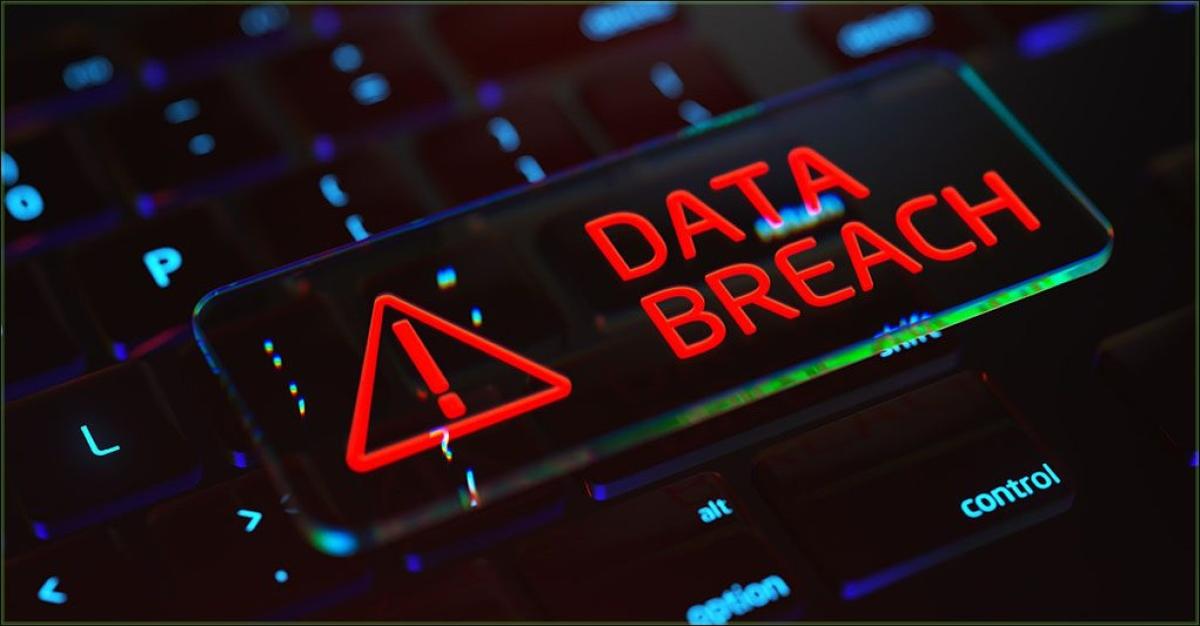
A data breach is a cybersecurity incident in which sensitive, confidential, or protected information is accessed, exposed, stolen, or disclosed without authorization. Data breaches can affect individuals, businesses, healthcare organizations, financial institutions, and government agencies, often leading to financial losses, identity theft, legal consequences, and reputational damage. As organizations increasingly rely on digital systems and cloud services, protecting data from unauthorized access has become a top cybersecurity priority.
What Is a Data Breach?

A data breach is an event in which unauthorized individuals gain access to confidential information such as personal data, financial records, login credentials, intellectual property, or business information.
How a Data Breach Happens
Data breaches can occur through cyberattacks, phishing scams, malware infections, ransomware, weak passwords, software vulnerabilities, insider threats, or accidental exposure of sensitive information. Once attackers gain access, they may steal, copy, modify, or publicly expose the data.
Why Data Breaches Matter
Data breaches can result in financial fraud, identity theft, operational disruption, regulatory penalties, customer distrust, and long-term damage to an organization's reputation.
Common Causes of Data Breaches
Several factors contribute to data breaches.
Phishing Attacks
Cybercriminals use fraudulent emails, messages, or websites to trick users into revealing passwords or other sensitive information.
Weak or Reused Passwords
Poor password practices make it easier for attackers to gain unauthorized access through credential stuffing or brute-force attacks.
Malware and Ransomware
Malicious software can steal sensitive information, encrypt files, or provide attackers with remote access to compromised systems.
Software Vulnerabilities
Unpatched operating systems, applications, and network devices can contain security flaws that attackers exploit.
Insider Threats
Employees, contractors, or business partners may intentionally or accidentally expose confidential information.
Types of Information Exposed in Data Breaches
A data breach may involve various forms of sensitive information.
Personal Information
Names, addresses, phone numbers, email addresses, dates of birth, and government-issued identification numbers.
Financial Information
Credit card numbers, bank account details, payment information, and financial records.
Login Credentials
Usernames, passwords, authentication tokens, and security questions.
Business Data
Confidential documents, intellectual property, customer databases, trade secrets, and internal communications.
Consequences of a Data Breach
Data breaches can have serious impacts on both individuals and organizations.
Financial Losses
Organizations may face recovery costs, legal expenses, regulatory fines, compensation claims, and lost revenue.
Identity Theft
Stolen personal information can be used for fraud, unauthorized account access, or financial crimes.
Reputation Damage
Customers may lose trust in organizations that fail to adequately protect sensitive information.
Business Disruption
Security incidents often interrupt operations, delay services, and require significant time and resources for recovery.
How to Prevent Data Breaches
Strong cybersecurity practices greatly reduce breach risks.
Use Strong Passwords and MFA
Implement unique passwords and enable Multi-Factor Authentication (MFA) to secure user accounts.
Keep Systems Updated
Regularly install software updates and security patches to eliminate known vulnerabilities.
Encrypt Sensitive Data
Use encryption to protect stored data and information transmitted across networks.
Train Employees
Provide cybersecurity awareness training to help employees recognize phishing attacks and follow secure practices.
Monitor Systems Continuously
Use security monitoring, intrusion detection, and threat intelligence tools to identify suspicious activity before it escalates.
Future of Data Breach Prevention
Organizations are increasingly adopting Artificial Intelligence, Zero Trust Security, behavioral analytics, endpoint detection, automated threat response, and advanced encryption technologies to reduce the risk of data breaches. As cyber threats become more sophisticated, proactive cybersecurity strategies and continuous monitoring will play an even greater role in protecting sensitive information across cloud, hybrid, and on-premises environments.
Conclusion
Data breaches are among the most significant cybersecurity threats facing organizations and individuals today. Understanding how breaches occur, recognizing common attack methods, and implementing strong security measures such as Multi-Factor Authentication, encryption, employee training, and continuous monitoring can greatly reduce the risk of unauthorized data exposure. As digital transformation accelerates, protecting sensitive information will remain a critical priority for every organization.
 What Is a Data Breach? Complete Guide to Prevention Explained FAQs
POST A COMMENT (0)
All Comments (0)
Replies (0)