





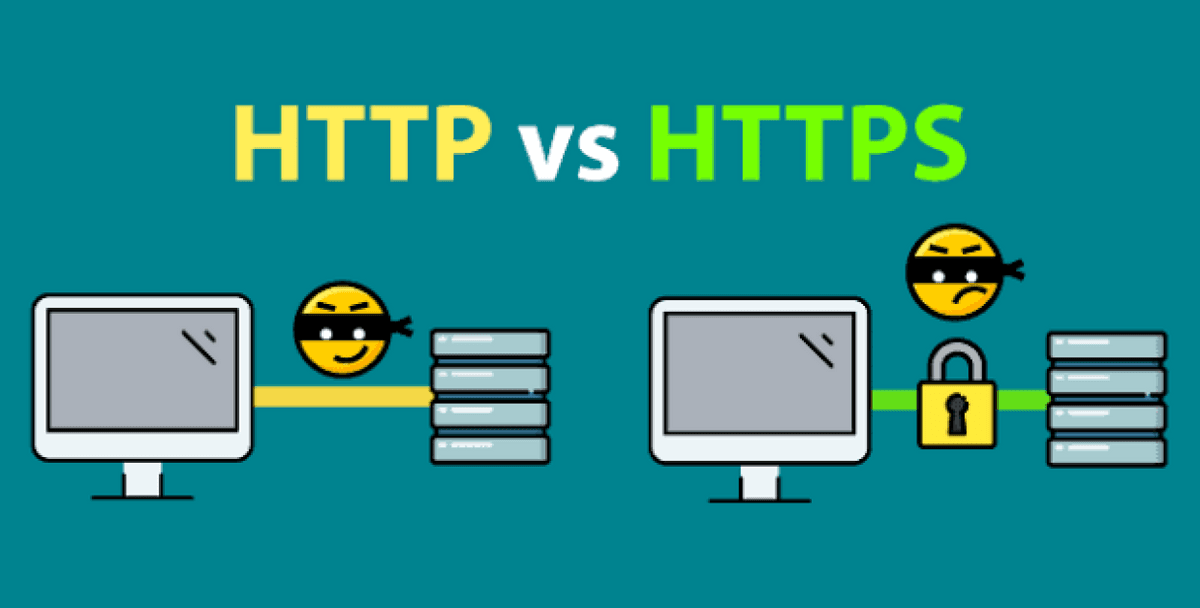
HTTP vs HTTPS Explained: What's the Difference?
Every time you visit a website, your web browser communicates with a web server using a protocol that transfers data across the internet. The two most common protocols are HTTP (HyperText Transfer Protocol) and HTTPS (HyperText Transfer Protocol Secure).
Although both are used to load web pages, HTTPS adds an important layer of security through encryption, making it the standard for modern websites. Today, banking platforms, e-commerce stores, social media sites, government portals, and most other online services rely on HTTPS to protect user data.
What Is HTTP?

HTTP (HyperText Transfer Protocol) is the standard protocol used to transfer web pages, images, videos, and other resources between a web browser and a web server.
HTTP defines how browsers request information and how servers respond, but it does not encrypt the data being transmitted.
What Is HTTPS?
HTTPS (HyperText Transfer Protocol Secure) is the secure version of HTTP.
It uses TLS (Transport Layer Security)—previously SSL (Secure Sockets Layer)—to encrypt communication between the browser and the server, protecting data from interception or tampering during transmission.
Most modern websites use HTTPS by default.
HTTP vs HTTPS: Key Differences
| Feature | HTTP | HTTPS |
|---|---|---|
| Full Form | HyperText Transfer Protocol | HyperText Transfer Protocol Secure |
| Encryption | No | Yes (TLS encryption) |
| Security | Basic communication only | Encrypted and authenticated communication |
| Default Port | 80 | 443 |
| Digital Certificate | Not required | Requires a TLS/SSL certificate |
| Data Integrity | No built-in protection | Protects against undetected modification during transmission |
| Authentication | Does not verify website identity | Verifies website identity through digital certificates |
| SEO Impact | No ranking advantage | Search engines generally prefer HTTPS websites |
How HTTP Works
HTTP follows a request-response model.
Step 1: Browser Sends a Request
The user enters a website address or clicks a link.
The browser sends an HTTP request to the web server.
Step 2: Server Processes the Request
The web server retrieves the requested webpage or resource.
Step 3: Data Is Sent
The server sends the requested information back to the browser.
Step 4: Browser Displays the Page
The browser renders the webpage for the user.
Because HTTP does not encrypt the communication, information sent over the connection may be readable by others who can intercept the network traffic.
How HTTPS Works
HTTPS adds secure communication before data is exchanged.
Step 1: Browser Connects to the Website
The browser requests a secure HTTPS connection.
Step 2: Certificate Verification
The website presents a TLS certificate issued by a trusted Certificate Authority (CA).
The browser verifies that the certificate is valid and belongs to the website being visited.
Step 3: Secure Handshake
The browser and server perform a TLS handshake, agreeing on encryption methods and securely establishing shared session keys.
Step 4: Encrypted Communication
All subsequent data exchanged between the browser and server is encrypted.
Step 5: Secure Web Browsing
Users can safely exchange sensitive information such as passwords, payment details, and personal data over the encrypted connection.
Why HTTPS Is More Secure
HTTPS provides three major security benefits.
Encryption
Information is encrypted while traveling across the internet, helping prevent unauthorized parties from reading it.
Authentication
Digital certificates help verify that users are communicating with the intended website rather than an impersonator.
Data Integrity
TLS helps detect if transmitted data has been modified during transit.
What Is a TLS Certificate?
A TLS certificate is a digital certificate that confirms a website's identity and enables encrypted HTTPS communication.
It contains information such as:
- Website domain name
- Public key
- Certificate Authority
- Expiration date
- Digital signature
Modern web browsers automatically validate trusted certificates when establishing secure connections.
Where HTTPS Is Used
HTTPS is essential for many online services.
Online Banking
Protects financial transactions and account information.
E-Commerce
Secures customer payments and personal information.
Email Services
Encrypts communication between users and email providers.
Social Media
Protects login credentials and private communications.
Government Websites
Secures citizen services and online applications.
Healthcare Platforms
Helps protect medical records and sensitive patient information.
Benefits of HTTPS
HTTPS provides numerous advantages.
Better Security
Protects sensitive information from interception.
User Trust
Modern browsers display security indicators for HTTPS websites and often warn users about insecure HTTP pages.
Improved SEO
Search engines generally favor secure HTTPS websites in search rankings.
Regulatory Compliance
HTTPS helps organizations meet many security and privacy requirements, though additional safeguards may also be necessary.
Data Protection
Helps secure logins, online payments, and confidential communications.
Challenges of HTTPS
Although HTTPS is essential, it requires proper management.
Certificate Management
Certificates must be renewed before they expire.
Configuration
Servers must be configured correctly to use modern TLS versions and secure settings.
Performance Considerations
Encryption introduces some computational overhead, though modern hardware and protocol improvements have made the impact minimal for most websites.
Best Practices for Website Security
Website owners should follow these recommendations.
Always Use HTTPS
Redirect HTTP traffic to HTTPS whenever possible.
Use Trusted Certificate Authorities
Obtain certificates from reputable Certificate Authorities.
Enable Modern TLS Versions
Use current TLS standards and disable outdated protocols.
Renew Certificates Promptly
Monitor expiration dates to avoid service interruptions.
Keep Web Servers Updated
Regular updates improve both security and compatibility.
Future of Secure Web Communication
Web security continues to evolve through stronger TLS standards, automated certificate management, quantum-resistant cryptography research, HTTP/3, and Artificial Intelligence-powered threat detection. Modern browsers increasingly enforce secure connections by default, and organizations continue adopting advanced encryption technologies to protect users from evolving cyber threats. As online services become even more central to daily life, HTTPS will remain the foundation of secure web communication.
Conclusion
HTTP and HTTPS both enable communication between web browsers and servers, but HTTPS adds essential security through encryption, authentication, and data integrity protection. By using TLS certificates and encrypted connections, HTTPS helps protect sensitive information such as passwords, financial data, and personal details from cyber threats. Today, HTTPS is the global standard for secure websites and an essential component of modern internet security.
 HTTP vs HTTPS Explained: Complete Comparison Guide FAQs
POST A COMMENT (0)
All Comments (0)
Replies (0)