





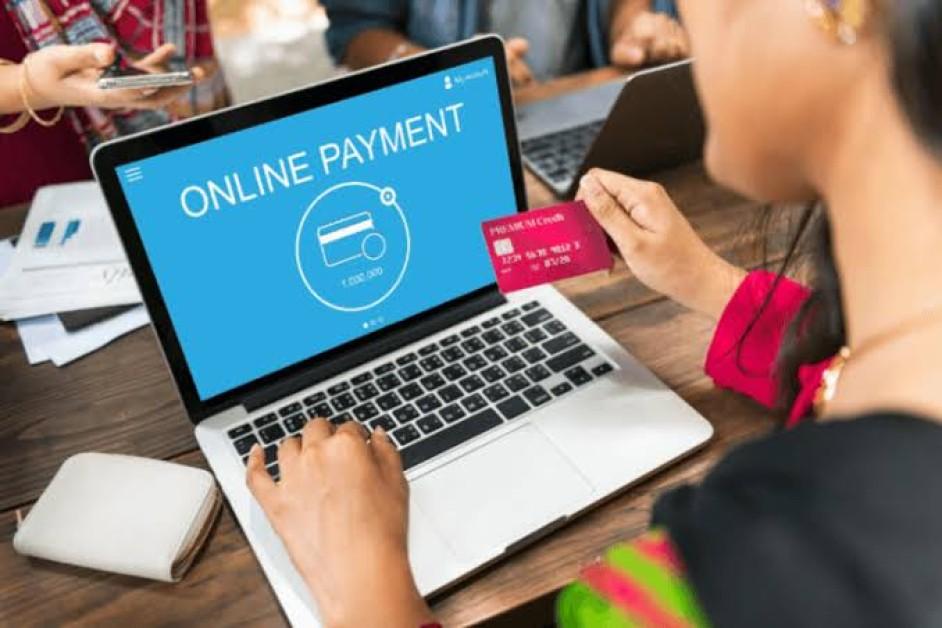
How Online Payments Work: A Beginner's Guide to Digital Transactions
Online payments allow people and businesses to send and receive money electronically over the internet. Whether you're shopping online, paying utility bills, booking flights, subscribing to streaming services, or transferring money through a mobile app, online payment systems process transactions securely within seconds.
Modern payment systems combine banking networks, payment gateways, encryption, fraud detection, and real-time communication to ensure fast and secure digital transactions.
What Are Online Payments?

Online payments are electronic financial transactions that allow money to move between a customer and a business—or between individuals—using internet-connected devices.
Instead of using physical cash or checks, online payments rely on digital payment methods such as credit cards, debit cards, internet banking, digital wallets, UPI, and mobile payment applications.
How Online Payments Work
An online payment typically involves several coordinated steps.
Step 1: The Customer Initiates a Payment
A customer selects products or services and chooses a payment method, such as:
- Credit card
- Debit card
- UPI
- Digital wallet
- Net banking
- Buy Now, Pay Later (BNPL)
Step 2: Payment Information Is Encrypted
The payment details are encrypted before being transmitted over the internet, helping protect sensitive financial information from unauthorized access.
Step 3: The Payment Gateway Receives the Request
A payment gateway securely collects the payment information and forwards it to the payment processor. It acts as the secure bridge between the customer, merchant, and financial institutions.
Step 4: The Payment Processor Contacts the Bank
The payment processor communicates with the customer's bank or card issuer to verify:
- Account validity
- Available balance or credit
- Card authenticity
- Security checks
- Fraud detection results
Step 5: Authorization
If all checks are successful, the customer's bank approves the transaction and sends an authorization response through the payment processor and gateway back to the merchant.
Step 6: Payment Confirmation
The customer receives confirmation that the payment has been successfully authorized, and the merchant begins processing the order or service.
Step 7: Settlement
The approved funds are transferred from the customer's bank to the merchant's account. Depending on the payment method and banking system, settlement may occur almost instantly or take one or more business days.
Key Components of an Online Payment System
Several technologies work together to complete a digital payment.
Customer
The individual or organization making the payment.
Merchant
The business or service provider receiving the payment.
Payment Gateway
Securely transfers payment information between the customer, merchant, and payment processor.
Payment Processor
Processes the transaction by communicating with banks and payment networks.
Issuing Bank
The bank that issued the customer's payment card or account.
Acquiring Bank
The financial institution that receives payments on behalf of the merchant.
Payment Network
Card networks and digital payment systems route transactions between participating financial institutions.
Common Online Payment Methods
Consumers have many options for making digital payments.
Credit Cards
Allow users to make purchases using a revolving line of credit.
Debit Cards
Withdraw funds directly from a customer's bank account.
UPI (Unified Payments Interface)
Enables instant bank-to-bank transfers using mobile apps and virtual payment addresses.
Digital Wallets
Store payment information securely for quick online purchases and transfers.
Net Banking
Allows customers to authorize payments directly through their online banking accounts.
Buy Now, Pay Later (BNPL)
Lets customers split purchases into scheduled payments, subject to provider terms and eligibility.
Security Technologies Used in Online Payments
Modern payment systems use multiple layers of protection.
Encryption
Sensitive payment information is encrypted during transmission.
Secure HTTPS Connections
Websites use HTTPS to protect communication between users and payment systems.
Tokenization
Sensitive card information is replaced with a temporary token, reducing exposure of actual card details.
Multi-Factor Authentication (MFA)
Many payment systems require additional verification, such as one-time passwords (OTPs), biometric authentication, or authentication apps.
Fraud Detection Systems
Artificial Intelligence and machine learning monitor transactions for unusual behavior and potential fraud.
Benefits of Online Payments
Online payments provide numerous advantages.
Convenience
Customers can make payments anytime and from almost anywhere.
Speed
Many digital payment systems process transactions within seconds.
Global Commerce
Businesses can accept payments from customers across the world.
Improved Record Keeping
Digital payment histories simplify accounting and expense tracking.
Enhanced Security
Modern encryption, authentication, and fraud prevention technologies help protect financial transactions.
Challenges of Online Payments
Despite their advantages, online payments have several considerations.
Cybersecurity Threats
Phishing, malware, account takeovers, and payment fraud remain ongoing risks.
Internet Dependence
Most online payment systems require a reliable internet connection.
Transaction Fees
Merchants often pay processing fees depending on the payment method and provider.
Payment Failures
Network issues, insufficient funds, expired cards, or technical problems can interrupt transactions.
Best Practices for Safe Online Payments
Consumers and businesses should follow these recommendations.
Use Trusted Websites
Only make payments on secure websites using HTTPS.
Enable Multi-Factor Authentication
Add an extra layer of protection to payment accounts.
Keep Software Updated
Regularly update operating systems, browsers, and payment apps.
Monitor Transactions
Review bank and payment statements frequently for unauthorized activity.
Avoid Public Wi-Fi for Financial Transactions
Use trusted, secure networks when making online payments whenever possible.
Future of Online Payments
Online payments continue to evolve through Artificial Intelligence, biometric authentication, digital wallets, central bank digital currencies (CBDCs), blockchain technology, open banking, and real-time payment networks. AI increasingly helps detect fraud, personalize financial services, and automate risk analysis, while contactless and mobile payment technologies continue to expand worldwide. As digital commerce grows, online payment systems are expected to become even faster, more secure, and more accessible.
Conclusion
Online payments have transformed global commerce by enabling fast, secure, and convenient digital transactions. Through payment gateways, payment processors, banking networks, encryption, and advanced fraud detection systems, billions of transactions are completed safely every day. As financial technology continues to advance, online payments will remain a cornerstone of e-commerce, digital banking, and the modern digital economy.
 How Online Payments Work: Complete Guide Explained FAQs
POST A COMMENT (0)
All Comments (0)
Replies (0)