





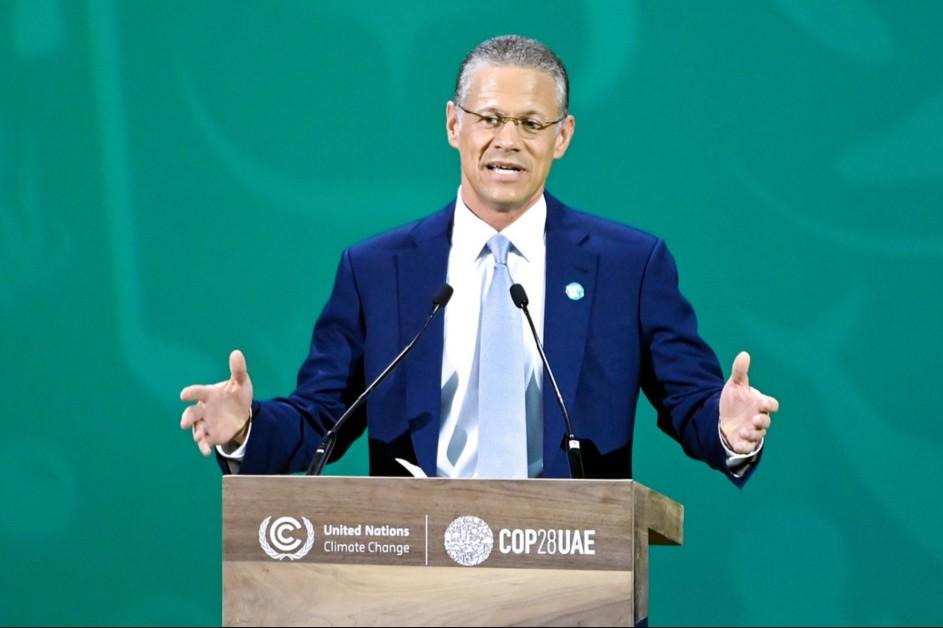
Philanthropy is undergoing a significant transformation as digital platforms revolutionize how people give, collaborate, and create social impact. At the forefront of this change is the emergence of the many-to-one philanthropy model, a concept that diverges from traditional top-down giving. This approach allows multiple individual donors to contribute to a single cause, amplifying collective impact through accessible, digital channels.
Badr Jafar, a respected business leader, social entrepreneur, and author, has engaged in discussions with over fifty influential voices across the business, philanthropy, and social sectors to understand the scope of this evolution. According to Jafar, the integration of digital technology into philanthropy is democratizing the landscape of giving.
What was once dominated by a few wealthy benefactors is now increasingly powered by a broad network of individual contributors who can participate in meaningful ways, regardless of the size of their donation. Through user-friendly platforms, real-time updates, and transparent operations, donors are not only able to track their impact but also feel directly connected to the causes they support.
Jafar points out that this model encourages greater inclusivity and community-driven philanthropy, fostering a culture where purpose-driven individuals collaborate across borders to drive social change. He further highlights that this approach is fueling a new kind of entrepreneurial philanthropy—one that blends business acumen with social responsibility.
The result is a more engaged, informed, and motivated donor community that believes in long-term solutions rather than one-time aid. By embracing technology, this new wave of philanthropy is not only enhancing efficiency and outreach but also reinforcing accountability and trust within the sector.
As digital tools continue to evolve, Jafar is optimistic about the role they will play in shaping the future of global giving. He envisions a world where philanthropy is no longer a privilege of the few but a collaborative mission accessible to many. In his view, the many-to-one model represents a powerful shift in how we think about generosity, impact, and the shared responsibility of building a better world.
 Related News
POST A COMMENT (0)
All Comments (0)
Replies (0)