





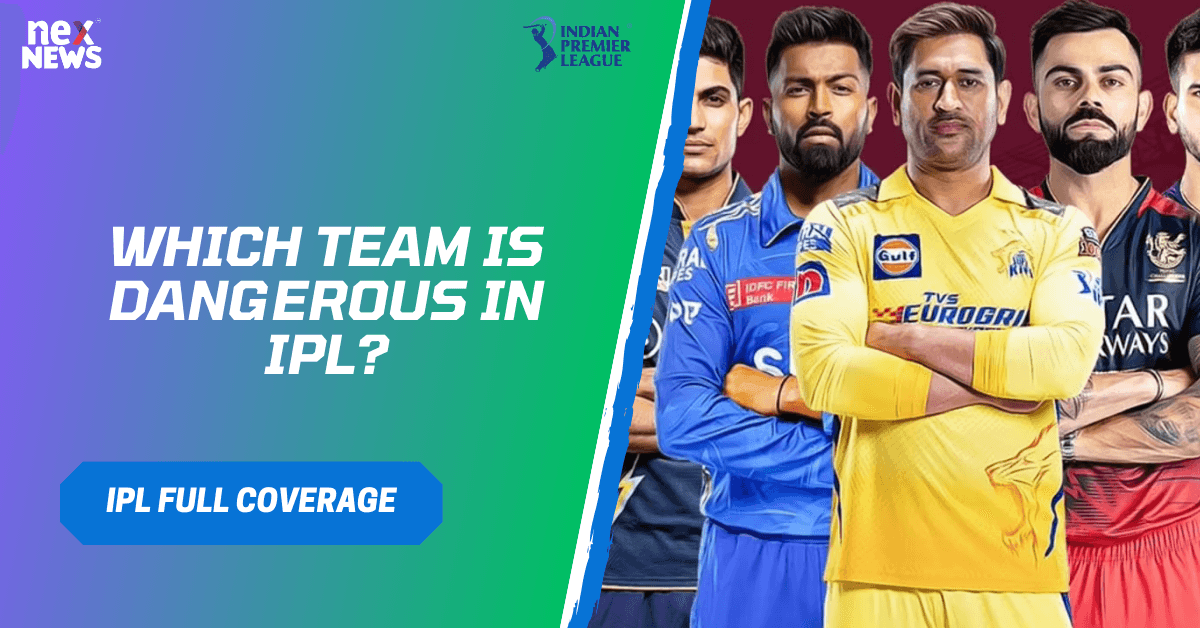
Team Strategies and Tactics in IPL
The Indian Premier League (IPL) is known for its intense competition and strategic gameplay. Each team participating in the tournament comes armed with its own unique set of strategies and tactics that aim to outsmart their opponents on the field. These strategies not only involve batting and bowling techniques but also include field placements, team formations, and partnerships.
Team strategies in the IPL often revolve around analyzing the strengths and weaknesses of the opposition and devising plans to exploit any vulnerabilities. Captains and coaches closely study the opposition's previous matches, studying the way their key players perform under pressure and identifying their preferred methods of attack. This information is then used to devise tactics that can neutralize the opposition's strengths and capitalize on their weaknesses. Some teams prefer aggressive strategies, aiming for quick runs and wickets, while others adopt a more conservative approach, focusing on building partnerships and playing a calculated game. Ultimately, the team that can execute their strategies with precision and adaptability is likely to have the upper hand in the IPL tournament.
Team Performances in Previous Seasons
The IPL tournament has witnessed some incredible team performances in the previous seasons. Teams have showcased their skills and strategies to dominate the league. However, some teams have consistently outperformed others, becoming the front-runners in the race for the title.
Among the top-performing teams, Mumbai Indians have been exceptionally dominant in the previous seasons. With five title victories to their name, they have proven to be a force to be reckoned with. Led by Rohit Sharma, Mumbai Indians have displayed exceptional teamwork and consistency, making them the most successful team in IPL history. Their strong batting line-up, consisting of power hitters and reliable middle-order batsmen, has often set high totals on the scoreboard. Additionally, their disciplined and well-rounded bowling attack has frequently dismantled the opposition's batting line-up, making them a formidable opponent in every match.
Key Players and Their Impact on the Team
One key player who has had a significant impact on his team is AB de Villiers of the Royal Challengers Bangalore. Known for his explosive batting and quick reflexes behind the stumps, de Villiers brings immense value to his team. His ability to score runs at a rapid pace, especially during death overs, has helped the team post competitive totals. Additionally, his exceptional fielding skills have often turned the tide in crucial moments of the game. With his vast experience and skillset, de Villiers is undoubtedly a vital cog in the Royal Challengers Bangalore lineup.
Another player who has made a strong impact on his team is Rohit Sharma of the Mumbai Indians. Known as one of the most reliable opening batsmen in the IPL, Sharma has consistently scored runs at the top of the order for his team. His ability to anchor the innings and accelerate when required has been instrumental in many Mumbai Indians' victories. Moreover, Sharma's exceptional leadership skills have played a vital role in the team's success over the years. Under his captaincy, the Mumbai Indians have won the IPL title multiple times, showcasing his ability to lead his team to victory. Sharma's presence in the team brings stability and confidence to the Mumbai Indians' batting lineup.
Strengths and Weaknesses of Each Team
Mumbai Indians, the defending champions, have a formidable batting lineup that can dazzle any opposition. With power hitters like Rohit Sharma, Hardik Pandya, and Kieron Pollard, they possess the ability to chase down large totals, even in high-pressure situations. Additionally, their bowling attack consisting of Jasprit Bumrah and Trent Boult can provide crucial breakthroughs during crucial moments of the game. However, a potential weakness lies in their middle-order, which has at times struggled to maintain the momentum set by the top order.
The Royal Challengers Bangalore boast the batting prowess of Virat Kohli and AB de Villiers, two of the best batsmen in the world, who can single-handedly win games. Their ability to go big from the very beginning can unsettle the opposition's bowling lineup. Furthermore, with the addition of experienced campaigners like Glenn Maxwell and Kyle Jamieson, the team has strengthened its middle-order and bowling department. However, their over-reliance on Kohli and de Villiers for runs can be a weakness, as a failure from either of them puts immense pressure on the remaining batsmen. Additionally, their bowling attack has often been criticized for lacking the necessary depth and consistency.
Head-to-Head Records between Teams
When it comes to the Indian Premier League (IPL), the head-to-head records between teams can provide valuable insights into the competitive history of the tournament. These records not only highlight the strengths and weaknesses of each team but also give an indication of the dynamics and competitiveness of the matches that have taken place in the past.
One such captivating head-to-head rivalry in the IPL is between the Mumbai Indians and the Chennai Super Kings. With both teams being the most successful franchises in the tournament's history, their clashes have often been intense and fiercely contested. The Mumbai Indians have been able to hold their own against the Chennai Super Kings, with a relatively even head-to-head record. This head-to-head battle has seen some nail-biting encounters and has added an extra layer of excitement to the tournament.
Team Dynamics and Leadership
The success of a team in the IPL largely depends on the dynamics and leadership within the squad. The way players interact, communicate, and work together can have a significant impact on the overall performance of the team. Good team dynamics foster a positive environment where players feel motivated and supported, leading to better cohesion and collaboration on the field.
Strong leadership is also crucial for a team's success. A captain who possesses good leadership qualities can inspire and guide the team, making critical decisions under pressure. A leader who leads by example, remains calm in tough situations, and effectively communicates with the team can significantly influence the team's performance and overall morale. In the IPL, teams with strong team dynamics and effective leadership have often emerged as the winners, showcasing the importance of these factors in the tournament.
Injury Concerns and Squad Depth
Injuries and the depth of a team's squad are two key factors that can greatly impact the performance of a team in the Indian Premier League (IPL). Injuries can disrupt the balance and rhythm of a team and force them to make changes to their strategies and tactics. The depth of a squad, on the other hand, refers to the number of quality players available to the team in case of injuries or other unforeseen circumstances.
When a team faces injury concerns, it often puts them at a disadvantage as they are forced to replace injured players with less experienced or less skilled alternatives. This can sometimes lead to a dip in performance and a lack of cohesion within the team. Additionally, injuries can also affect the team's ability to maintain consistency and adaptability in different formats of the game.
On the other hand, teams with a deep squad have the advantage of having quality players available in reserve. This ensures that even if they face injuries or other setbacks, they have capable replacements to step in and perform. A deep squad also provides healthy competition among players, pushing them to constantly improve and deliver their best performances.
Overall, any team participating in the IPL needs to be mindful of injury concerns and have a strong squad depth to minimize the impact of injuries and maintain their competitive edge throughout the tournament.
Pitch Conditions and Home Advantage
Pitch conditions play a crucial role in determining the outcome of matches in the Indian Premier League (IPL). Each team strives to take advantage of the conditions at their home ground to amplify their strengths and exploit the weaknesses of their opponents. The nature of the pitch can greatly influence the type of game that is played. A slow, low pitch often favors spinners and allows them to extract turn and bounce, making it challenging for batsmen to score freely. On the other hand, a fast and bouncy pitch aids the pace bowlers, as the extra pace generated can trouble even the best of batsmen. Therefore, teams that can adapt and strategize according to the pitch conditions at their home ground usually have an edge over their opponents.
Home advantage is another significant aspect in the IPL. Playing in familiar surroundings, in front of passionate home supporters, often boosts the morale and confidence of a team. They are more accustomed to the conditions, pitch behavior, and dimensions of their home ground, giving them an added advantage. Furthermore, the crowd support can lift the team's spirit, providing an electric atmosphere that can put pressure on the visiting team. However, it is important to note that home advantage alone cannot guarantee success. Teams must still perform consistently, execute their plans well, and adapt to varying conditions in order to capitalize on this advantage.
Consistency and Adaptability in Different Formats
One of the key factors that determines a team's success in the Indian Premier League (IPL) is their ability to maintain consistency and adapt to different formats of the game. The IPL consists of three formats - T20, which is the main format of the tournament, followed by the Qualifiers and the Final. Each format requires a different set of skills and strategies, and teams that can seamlessly transition between these formats have a higher chance of performing well.
Consistency is crucial in any form of cricket, and the IPL is no exception. In order to be successful, teams need to perform consistently throughout the tournament, ensuring that they deliver top-notch performances in every match they play. This requires not only individual brilliance but also effective teamwork, where each player plays their role to perfection. Additionally, adaptability is equally important as teams need to adjust their strategies and game plans based on various factors such as pitch conditions, opposition strengths, and even weather conditions. The ability to adapt quickly and make necessary changes on the field can often be the difference between victory and defeat in this highly competitive tournament.
Prediction for the Upcoming IPL Season
The upcoming season of the IPL promises to be yet another fierce battle among the top cricketing franchises in India. With each team eyeing the coveted title, the competition is expected to be intense and thrilling.
Several factors will come into play when predicting the outcome of the tournament. The team's composition, performances in previous seasons, and the key players' form and impact on the team will all weigh heavily in determining their success. Additionally, factors such as team dynamics, leadership abilities, and squad depth will play a crucial role in navigating through the challenges of the tournament. Teams that can adapt to different formats, showcase consistency, and effectively leverage their strength and weakness will have an edge in the battle for the title. It remains to be seen which team will emerge victorious, but one thing is for certain - cricket fans are in for a treat with the upcoming season of the IPL.
 Related News
POST A COMMENT (0)
All Comments (0)
Replies (0)