





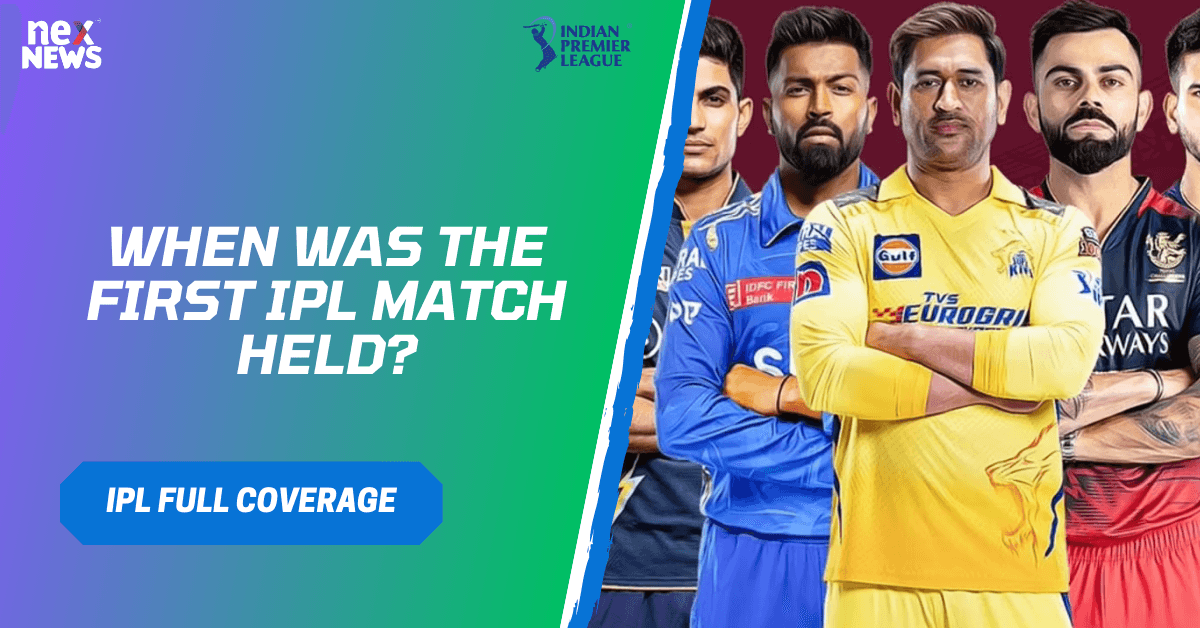
IPL - The Inception of a Revolutionary Cricket Tournament
The Indian Premier League, commonly known as IPL, is hailed as a revolutionary cricket tournament that has transformed the landscape of the sport in India. Since its inception in 2008, it has captivated millions of fans, both domestic and international, with its exciting format and star-studded lineup of players.
IPL was not just another cricket tournament; it was a unique concept that combined the passion of cricket with the entertainment factor of Bollywood. The brainchild of Lalit Modi, the league aimed to revolutionize the sport by introducing a franchise-based format, where cities represented teams that competed against each other in a fast-paced and thrilling cricket extravaganza. The concept was a breath of fresh air, breaking away from the traditional cricketing norms and bringing in a sense of glamour and showmanship to the sport. The league's introduction paved the way for a new era in Indian cricket and set the stage for a tournament that would soon become a global phenomenon.
Origins of the Indian Premier League
The Indian Premier League (IPL) was a brainchild that aimed to revolutionize cricket in India. It originated from the desire to create a tournament that would offer a new and exciting format of the game, bringing together the best cricketing talents from around the world. The idea was to provide a platform where players could showcase their skills and entertain the audience with fast-paced and high-intensity cricket.
The origins of the Indian Premier League can be traced back to a meeting of the Board of Control for Cricket in India (BCCI) in 2007. The BCCI, led by then-president Mr. Lalit Modi, envisioned a league that would capture the imagination of the cricketing world. The key objective was to attract global investments and make cricket a lucrative sport, not just for players but also for team owners, broadcasters, and sponsors. With this vision in mind, the Indian Premier League was founded, marking the beginning of a new era in cricket.
The Brainchild Behind IPL's Creation
The Indian Premier League (IPL) was the brainchild of one man with a vision – Lalit Modi. As the Vice-President of the Board of Control for Cricket in India (BCCI) from 2005 to 2010, Modi wanted to bring a fresh and revolutionary approach to cricket in India. He believed that T20 cricket held the key to transforming the sport, both commercially and in terms of entertaining the fans.
Modi's idea was to create a league that would feature the world's best cricketing talent and provide a platform for young Indian players to showcase their skills alongside international superstars. The IPL, with its glitz, glamour, and innovative format, was designed to capture the attention of not only traditional cricket fans but also a wider audience that was unfamiliar with the sport. Lalit Modi led the team that worked tirelessly to bring his vision to life, persuading the BCCI to give the green light to the tournament and securing sponsors and broadcasters to make it financially viable.
IPL's Impact on Indian Cricket
The impact of the Indian Premier League (IPL) on Indian cricket has been nothing short of revolutionary. Since its inception in 2008, the league has brought a new level of professionalism, popularity, and financial stability to the sport in the country. With its glitzy set-up and the participation of both domestic and international players, the IPL has become one of the most-watched cricket tournaments worldwide.
Firstly, the IPL has provided a platform for young, talented cricketers to showcase their skills and catch the attention of national selectors. Many aspiring players, who would have otherwise remained unknown, have been able to make a name for themselves through their performances in the tournament. This has not only widened the talent pool but has also brought fresh faces into the Indian national team, injecting new energy and ideas into the game. Moreover, the exposure to high-pressure situations and the opportunity to play alongside established international stars has accelerated the development of these young players, enabling them to handle international cricket with greater confidence and success.
The Evolution of IPL's Format
Over the years, the Indian Premier League (IPL) has undergone several transformations in its format. From its inception in 2008, the league has constantly adapted to suit the changing dynamics of the game and to keep fans engaged. One of the major changes was the expansion of the tournament from 8 to 10 teams in 2011, adding more excitement and competition to the league. This increase in teams meant a longer season with more matches, ensuring fans were treated to even more action-packed cricket.
Additionally, the IPL format saw the introduction of playoffs in 2011, giving teams another chance to qualify for the finals even if they didn't top the points table in the league stage. This format change not only increased the intensity of the competition but also led to some thrilling encounters as teams fought tooth and nail to secure a spot in the final. The playoffs introduced a new level of drama and excitement to the tournament, capturing the attention of fans around the world. The IPL format continues to evolve, keeping the tournament fresh and ensuring fans can always expect surprises and intense cricketing battles.
The First IPL Match: A Historic Moment
The first IPL match in 2008 was undeniably a historic moment for cricket enthusiasts across the globe. As the inaugural match began, the atmosphere was electric, with fans filling the stadium to its brim and millions of viewers glued to their television screens. It marked the commencement of a cricketing extravaganza that would revolutionize the sport in India and capture the imagination of fans worldwide.
One could feel the anticipation and excitement in the air as the two teams took the field. The roar of the crowd reverberated throughout the stadium, amplifying the intensity of the game. The players, adorned in vibrant team colors, displayed their skills and determination, setting the stage for an unforgettable encounter. With a star-studded lineup and famed international cricketers sharing the field, the first IPL match proved to be a spectacle that left everyone in awe.
Unforgettable Moments from the First IPL Match
The first IPL match was filled with memorable moments that left a lasting impression on cricket fans worldwide. One such moment was the electrifying opening ceremony that set the stage for an exhilarating tournament. As the players stepped onto the field amidst fireworks and cheering crowds, the atmosphere at the stadium was electric. It was a sight to behold and marked the beginning of a new era in cricket.
Another unforgettable moment from the first IPL match was the breathtaking display of power hitting by Brendon McCullum. Representing the Kolkata Knight Riders, McCullum showcased his extraordinary talent by smashing an unbeaten 158 off just 73 balls. His blistering innings included 13 boundaries and an astonishing 10 sixes. This record-breaking performance not only propelled his team to a massive victory but also captivated the imagination of cricket fans around the world. McCullum's brilliance set the stage for what was to come in the subsequent seasons of the IPL, where power hitting became a hallmark of the tournament.
The Venue for the Inaugural IPL Match
The inaugural match of the Indian Premier League (IPL) was held on April 18, 2008. The venue chosen for this historic event was the Chinnaswamy Stadium in Bangalore. Known for its electrifying atmosphere and capacity to hold around 40,000 spectators, the Chinnaswamy Stadium offered the perfect setting for the launch of a revolutionary cricket tournament like the IPL.
Situated in the heart of the city, the Chinnaswamy Stadium has a rich history of hosting international and domestic cricket matches. The iconic stadium boasts excellent facilities and a well-maintained pitch, which ensures a high-quality game of cricket. Its close proximity to major hotels and commercial areas makes it easily accessible for fans and players alike. The selection of such a renowned venue for the inaugural IPL match added to the grandeur of the occasion and set the stage for what would become one of the biggest sporting events in the world.
The Teams that Participated in the First IPL Match
The inaugural match of the Indian Premier League (IPL) witnessed two formidable teams battling it out on the cricket field. On one side was the Kolkata Knight Riders, led by the charismatic Sourav Ganguly. Representing the city of joy, they boasted a strong lineup with top international players such as Ricky Ponting, Brendon McCullum, and Chris Gayle. Fans were eager to witness the team's performance as they showcased their skills in their distinctive black and gold jerseys.
Opposing them were the Royal Challengers Bangalore, led by the dynamic Rahul Dravid. The Bangalore team stood out with their vibrant red attire, captivating the attention of the spectators. Their team comprised of power-hitters like Jacques Kallis, Mark Boucher, and Dale Steyn, making them a formidable force to reckon with. The clash between these two teams was highly anticipated, as fans eagerly awaited the beginning of a new chapter in the history of Indian cricket.
The First IPL Match: Its Significance and Legacy
The First IPL Match marked a significant moment in the history of cricket in India. It was the dawn of a new era, where the traditional format of the game was revolutionized into something groundbreaking. The tournament challenged conventions and introduced a fast-paced, high-intensity version of cricket that captured the imagination of fans across the country.
From the very beginning, the First IPL Match left an indelible mark on the minds of both players and spectators. It showcased the talent and skill of some of the world's best cricketers, who came together to form formidable teams. The match was filled with exhilarating moments, from incredible shots to acrobatic fielding, leaving the audience on the edge of their seats. This inaugural event laid the foundation for what would become a global phenomenon, changing the dynamics of cricket forever.
 Related News
POST A COMMENT (0)
All Comments (0)
Replies (0)