





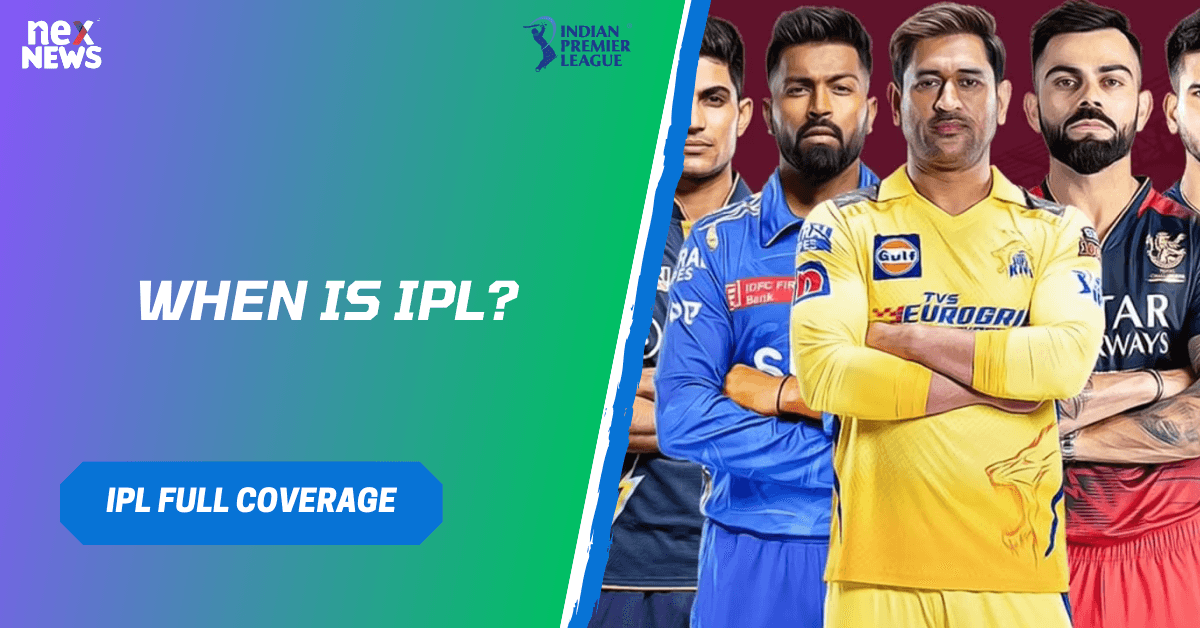
IPL Schedule
The IPL schedule is one of the most awaited announcements for cricket enthusiasts worldwide. It signifies the start of a thrilling season that brings together top players from across the globe. The schedule is meticulously prepared to ensure each team gets a fair chance to showcase their skills and compete against all other teams. The matches are spread out over several weeks, allowing fans to have a constant supply of exciting cricket action.
The IPL schedule covers a wide range of venues across various cities in India. Each venue brings its unique charm and atmosphere, adding to the overall grandeur of the tournament. From iconic cricket stadiums like Wankhede Stadium, Eden Gardens, and M. Chinnaswamy Stadium to newer venues like Sardar Patel Stadium and Arun Jaitley Stadium, the schedule offers fans and players the opportunity to experience cricket in different settings. Whether it's the lively crowd in Mumbai or the breathtaking views at Dharamshala, every match promises a memorable experience for all involved.
Teams Participating
The Indian Premier League (IPL) features a total of eight teams from different cities across India. Each team is a franchise that represents a particular city or region. These teams are a mix of homegrown talent and international superstars, creating a vibrant and competitive tournament.
Over the years, these teams have become an integral part of the IPL, with a strong fan base that passionately supports and cheers for their respective teams. The teams participating in the IPL are Chennai Super Kings, Delhi Capitals, Kings XI Punjab, Kolkata Knight Riders, Mumbai Indians, Rajasthan Royals, Royal Challengers Bangalore, and Sunrisers Hyderabad. Each team brings its unique flavor and playing style to the tournament, making the IPL a true showcase of cricketing brilliance.
Venues and Locations
The Indian Premier League (IPL) is known for its vibrant and lively atmosphere, and the choice of venues plays a crucial role in creating this electrifying environment. The IPL matches are held in various cities across India, bringing the cricket frenzy to fans from different regions. From the iconic Wankhede Stadium in Mumbai to the majestic Eden Gardens in Kolkata, the IPL ensures a diverse set of venues that adds excitement to the tournament.
Each IPL season witnesses matches being played in numerous stadiums, with each venue having its own unique charm. The picturesque M. Chinnaswamy Stadium in Bengaluru is famous for its high-scoring encounters, thanks to its batting-friendly pitch and smaller boundaries. On the other hand, the Feroz Shah Kotla Ground in Delhi provides an excellent opportunity for spinners to showcase their skills with the slower tracks and turning wickets. With each stadium offering a distinct personality, the IPL provides cricket enthusiasts a chance to experience different playing conditions and witness the true spirit of the game.
Previous IPL Seasons
In the previous seasons of the Indian Premier League (IPL), we witnessed some exhilarating matches, nail-biting finishes, and standout performances by players. Each season brought its own set of thrilling moments, making it one of the most-anticipated tournaments in the cricketing calendar. Teams like Mumbai Indians, Chennai Super Kings, and Kolkata Knight Riders have consistently been strong contenders, showcasing their dominance and claiming multiple IPL titles.
The IPL has been a platform for some extraordinary batting displays, with players like Chris Gayle, AB de Villiers, and Virat Kohli entertaining fans with their explosive hitting. Mysterious spinners such as Sunil Narine and Rashid Khan have bamboozled batsmen with their spin wizardry, leaving the spectators in awe. Moreover, the IPL has provided a stage for budding talents to showcase their skills and earn accolades, making it a breeding ground for future international superstars.
IPL Format
The Indian Premier League (IPL) follows a format that is designed to ensure excitement and competitiveness throughout the tournament. The teams participating in the IPL are divided into two groups, and each team plays a round-robin format within their group. This ensures that every team has a fair chance to compete against all the other teams in the group stage.
After the group stage, the top teams from each group advance to the playoffs. The playoffs consist of Qualifier 1, Eliminator, and Qualifier 2 matches, which determine the two teams that will face off in the final. This format not only adds unpredictability to the tournament but also allows teams to make a comeback even if they did not perform well in the initial stages.
Overall, the IPL format ensures that there is intense competition among the teams and keeps the interest of the fans alive until the very last match. The format has proved to be successful over the years and has contributed to the immense popularity of the IPL.
IPL Auction
The IPL Auction is a highly anticipated event in the cricket calendar. It serves as a platform for franchises to acquire new players and build a strong team for the upcoming season. With big names from international cricket as well as emerging talents from domestic circuits up for grabs, the auction creates an atmosphere of excitement and anticipation amongst cricket enthusiasts.
The process of the IPL Auction is meticulous and strategic. Franchise owners, team coaches, and management closely analyze player statistics, skill sets, and form before placing their bids. The players are categorized into different price brackets, with some marquee players commanding hefty sums. The auction is known for its intense bidding wars, where franchises compete to secure the services of their desired players. It is interesting to see how strategies are devised and changed on the spot as teams try to strike the right balance between acquiring star power and building a well-rounded team. The IPL Auction is not just a display of financial prowess but also a test of team management skills in making the right selections that can shape the fortunes of a franchise in the tournament.
IPL Points Table
With each passing season, the IPL Points Table becomes a battleground for the teams as they strive to secure their position in the playoffs. It acts as a reflection of the teams' performance, showcasing their wins, losses, and overall standing in the tournament. The Points Table serves as a crucial tool for the fans and enthusiasts to keep track of their favorite team's progress and potential chances of making it to the knockout stages.
The Points Table follows a straightforward format, awarding points to teams based on their match results. A win earns two points, while a loss results in zero points. In case of a tie or a no-result, each team receives one point. The teams are then ranked based on their total accumulated points, with the net run rate serving as a tie-breaker if required. The Points Table is regularly updated after each match, allowing fans to assess the changing dynamics of the tournament and speculate on their team's chances of eventual glory.
Broadcasting Rights
Broadcasting Rights:
Over the years, the broadcasting rights for the Indian Premier League have been fiercely contested. The IPL is one of the most-watched sporting events in the world and has a massive global audience. Consequently, securing the broadcasting rights for the tournament is highly sought after by various media companies.
In 2008, when the IPL started, Sony Entertainment Television acquired the broadcasting rights for a staggering 10-year period. This agreement allowed Sony to air the matches live on their network and also stream them on their digital platforms, allowing fans from all over the globe to enjoy the action. However, as the years progressed, the broadcasting rights became even more valuable, leading to intense bidding wars amongst media giants. With the latest rights being acquired by Star India, fans can now catch all the IPL action on Star Sports, ensuring that the tournament reaches a wide and diverse audience.
IPL Fan Experience
Fans play a significant role in the Indian Premier League, creating an electrifying atmosphere in stadiums and adding to the overall excitement of the tournament. The IPL Fan Experience encompasses the passion, enthusiasm, and loyalty demonstrated by millions of fans across the country. From the iconic stadiums filled to the brim with boisterous supporters to the vibrant colors of team jerseys worn proudly by fanatics, the IPL Fan Experience is unparalleled.
Fans get the opportunity to witness breathtaking cricketing action live, as the atmosphere inside the stadium reaches fever pitch. The roar of the crowd, the chants and cheers, and the Mexican wave rippling through the stands all contribute to the pulsating energy that engulfs the IPL matches. Along with the thrilling cricket, fans can also indulge in various entertainment activities like music performances, cheerleading squads, and other captivating performances during breaks, making every match a festival-like experience for spectators. The IPL Fan Experience truly captures the essence of cricket as a sport that unites and entertains millions.
IPL and COVID-19
The COVID-19 pandemic has had a significant impact on the global sporting landscape, and the Indian Premier League (IPL) has not been immune to its effects. The tournament, which was scheduled to take place in its usual April-May window, had to be postponed due to the outbreak of the virus. This decision was made in the interest of the safety and well-being of the players, staff, and fans.
When the IPL finally got underway several months later, it was held in a bio-secure bubble to minimize the risk of infection. Strict protocols were put in place to ensure that all participants adhered to the necessary safety measures, including regular testing and isolation. Despite these precautions, there were still a few instances of players testing positive for the virus, leading to them being isolated and treated as per the guidelines. The IPL authorities constantly monitored the situation and made adjustments as required to prioritize the health of everyone involved.
 Related News
POST A COMMENT (0)
All Comments (0)
Replies (0)