





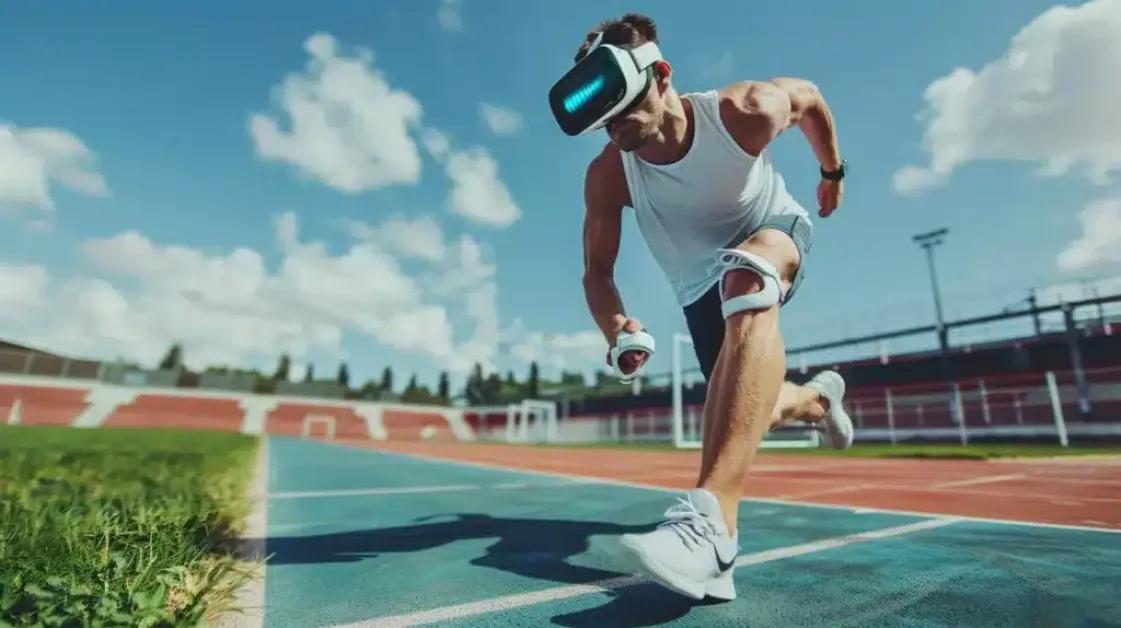
Virtual Training and Smart Gear: The Future of Athletic Performance
The athletic world is undergoing a revolution—not on the field, but in the lab, the cloud, and the virtual realm. In 2025, athletes are pushing past physical limits using virtual training platforms and smart gear powered by artificial intelligence, biomechanics, and real-time data.
From Olympic gold medalists to high school athletes, everyone is tapping into technology-enhanced performance. It’s not just about talent or training anymore—it’s about precision, personalization, and predictive insight.
What Is Virtual Training?
Virtual training uses immersive technologies like virtual reality (VR), augmented reality (AR), and AI-driven simulators to replicate real-world sports environments. It allows athletes to:
-
Practice skills and tactics in controlled, repeatable simulations
-
Receive real-time feedback and coaching from AI systems
-
Train remotely without needing full physical setups or facilities
Platforms like Rezzil, STRIVR, and Elite VR Training are used by top football clubs, basketball teams, and Olympic programs to sharpen mental and physical reflexes under virtual pressure.
What Is Smart Gear?
Smart gear refers to wearable and connected sports equipment that tracks biometric data, movement patterns, and performance metrics. These include:
-
Smart shoes that analyze foot strike, gait, and jump height
-
Smart compression wear that monitors muscle output and fatigue
-
Heart rate and hydration sensors
-
AI-integrated helmets for concussion risk detection
-
Connected balls, bats, or racquets with built-in motion sensors
This gear turns every movement into data, which coaches and athletes use to fine-tune performance and prevent injury.
Game-Changing Innovations in 2025
-
AI Coaches & Digital Twins
Athletes now train with AI coaches that analyze thousands of hours of gameplay to offer customized drills. “Digital twins” of players allow simulated training based on exact biometrics and real-time physical condition. -
Biomechanics in Real-Time
Smart suits equipped with motion-capture sensors help correct posture, joint alignment, and force output. Platforms like Kinexon and Catapult offer instant feedback via wearable GPS trackers. -
Mental Training with VR
VR headsets like the HTC Vive Pro Eye simulate game-day pressure, improving reaction time, focus, and decision-making under stress. Athletes “train their brain” as rigorously as their bodies. -
Recovery Tech
Wearables now track sleep cycles, cortisol levels, and inflammation markers. Tools like Normatec recovery boots, Oura Rings, and WHOOP bands help athletes optimize rest and avoid overtraining.
Benefits of Virtual Training and Smart Gear
-
Injury Prevention: Predictive analytics flag overexertion before it leads to injury.
-
Remote Coaching: Coaches can train athletes across continents using shared dashboards and live data.
-
Performance Optimization: Micro-adjustments improve speed, accuracy, and efficiency.
-
Inclusivity: Disabled and aging athletes can extend their careers through adaptive smart training environments.
In a 2024 survey, 85% of elite athletes said tech integration improved their performance, and 72% used wearable gear daily.
Sports That Are Rapidly Adopting These Technologies
-
Soccer: Teams like FC Barcelona and Manchester City use VR for tactical rehearsal and GPS vests for real-time monitoring.
-
Tennis: Smart racquets and AI video breakdowns help perfect swing mechanics.
-
Basketball: Shot-tracking systems and virtual defense drills sharpen skills.
-
Track & Field: Biomechanical analysis and force plates optimize sprint starts and jumps.
-
Combat Sports: Smart gloves and headgear record impact force and improve reaction training.
Challenges and Considerations
-
Privacy Concerns: With so much biometric data collected, security and ownership are key issues.
-
Tech Overload: Some fear reliance on tech may dull natural instinct and spontaneity.
-
Affordability Gap: High-end gear may be inaccessible for grassroots or underfunded programs.
Still, the trend is clear: tech-driven training is now part of the professional playbook, not a futuristic fantasy.
Conclusion: The Future of the Fittest Is Smart and Simulated
Athletic greatness has always been defined by hard work, strategy, and passion. In 2025, that foundation remains—but it's augmented by artificial intelligence, smart gear, and virtual realities.
From grassroots runners to elite Olympians, athletes now have access to tools that analyze, adapt, and amplify their performance. As technology continues to evolve, the human body—and mind—has never been more finely tuned.
The next generation of champions won’t just be strong.
They’ll be data-driven, digitally coached, and virtually unstoppable.
 Related News
POST A COMMENT (0)
All Comments (0)
Replies (0)