





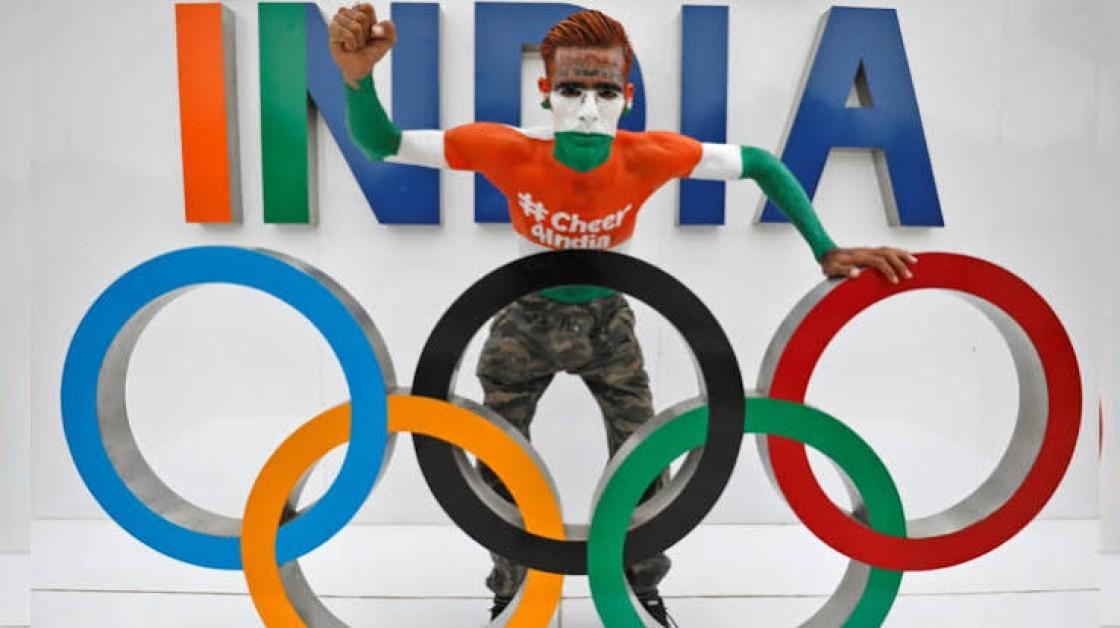
India Plans National Sports Medicine Framework as Preparations Intensify for 2036 Olympic Ambitions
India is planning a national sports medicine framework aimed at transforming athlete healthcare from a fragmented, injury-focused system into a coordinated model centred on prevention, performance and long-term wellbeing. The initiative forms part of India's wider effort to strengthen its sporting ecosystem as the country pursues ambitions connected with the 2036 Olympic and Paralympic Games. The proposed framework is expected to bring greater consistency to sports medicine, rehabilitation, injury surveillance and scientific athlete support, addressing an area increasingly viewed as essential to producing sustained international sporting success.
India Moves Toward Integrated Sports Medicine System

The proposed framework represents an attempt to establish a more structured national approach to athlete health.
Current Athlete Care Remains Fragmented
Sports medicine support in India has expanded substantially, particularly for elite athletes, but capabilities remain uneven across sports, institutions and regions.
Top athletes may have access to specialist doctors, physiotherapists, nutritionists and strength-and-conditioning professionals through national camps or high-performance programmes.
Athletes outside these systems can face a very different experience.
Medical records may not move consistently between academies, federations and competition environments.
Injury management practices can vary between organisations.
Access to specialised rehabilitation facilities can also depend heavily on location and level of competition.
A national framework could create common standards and clearer pathways for athlete care across the sporting system.
Prevention Could Replace Reactive Treatment Model
One of the most important objectives is moving away from treating athletes primarily after injuries occur.
Modern sports medicine increasingly emphasises prevention.
Athletes can be monitored for workload, fatigue, movement patterns and previous injury history.
Medical and performance teams can then identify potential warning signs before they develop into more serious problems.
This approach is particularly valuable for elite athletes, where missing several weeks of training can significantly affect competition preparation.
Preventing an injury can be considerably more effective than attempting to accelerate rehabilitation after damage has already occurred.
2036 Olympic Ambitions Add Urgency to Sports Reform
India's long-term Olympic ambitions extend beyond building stadiums and other physical infrastructure.
Athlete Performance Systems Are Equally Important
Hosting an Olympic Games requires enormous organisational and infrastructure capacity.
Competing successfully requires something different: a high-performance sporting system capable of developing athletes over many years.
That system includes coaching, nutrition, sports science, psychology, strength and conditioning, medical support and rehabilitation.
India's National Sports Policy 2025 explicitly identifies sports science, medicine and technology as important components of improving international performance.
The proposed sports medicine framework would therefore complement broader reforms already underway.
India's objective is not merely to stage major sporting events but to strengthen the competitive performance of its athletes alongside its hosting ambitions.
Olympic Preparation Requires Long-Term Planning
The athletes who could compete for India in 2036 include children and teenagers currently entering structured sport.
That makes long-term planning essential.
Medical support needs to begin during athlete development rather than only after competitors reach senior national teams.
Young athletes can face overuse injuries when training loads increase too quickly.
Growth and physical development also need to be considered when designing training programmes.
A national sports medicine system capable of following athletes through different stages of development could help create more sustainable high-performance pathways.
Sports Medicine Extends Beyond Treating Injuries
The term sports medicine covers a much broader range of athlete-support functions than emergency treatment.
Medical Teams Can Support Performance
Sports physicians evaluate how an athlete's health interacts with training and competition.
They can work alongside physiotherapists, biomechanists, nutritionists, psychologists and coaches.
This multidisciplinary approach allows performance decisions to incorporate medical information.
An athlete recovering from injury, for example, should not return to full competition solely because pain has disappeared.
Strength, mobility and movement patterns may also need to return to appropriate levels.
Data-driven return-to-play protocols can reduce the risk of reinjury.
Rehabilitation Is Critical to Athlete Careers
Serious injuries can threaten entire sporting careers.
Successful rehabilitation therefore requires more than basic physiotherapy.
Athletes may need strength training, hydrotherapy, biomechanical assessment and carefully managed progression back into competition.
Psychological support can also become important.
Athletes recovering from major injuries may experience uncertainty about whether their bodies can tolerate previous performance levels.
An integrated rehabilitation programme can address both physical and psychological readiness.
Injury Surveillance Could Become National Priority
Reliable injury data is fundamental to prevention.
India Needs Better Understanding of Injury Patterns
Different sports create different physical stresses.
Fast bowlers in cricket face different injury risks from wrestlers.
Badminton players experience different repetitive loads from weightlifters.
A structured injury-surveillance system can identify which injuries occur most frequently within individual sports.
Researchers can then examine why those injuries occur and develop preventive programmes.
Without reliable data, sports organisations risk responding to individual injuries without recognising wider patterns.
Centralised Data Could Improve Decision-Making
A national framework could support more consistent collection of medical and performance information.
With appropriate privacy protections, aggregated data could reveal important trends.
Sports authorities could identify disciplines experiencing unusually high injury rates.
Coaches could adjust training practices.
Medical professionals could develop sport-specific screening protocols.
Researchers could evaluate whether preventive interventions actually reduce injuries.
Over time, this evidence base could make athlete healthcare increasingly precise.
High-Performance Centres Will Support New Approach
India is simultaneously investing in physical infrastructure for sports science and medicine.
Bengaluru Centre Will Integrate Multiple Disciplines
A new High Performance Centre at the Sports Authority of India's Netaji Subhas Southern Centre in Bengaluru is being developed to provide integrated athlete-support facilities.
The ₹75 crore project includes ₹60 crore in corporate social responsibility support from Hindustan Aeronautics Limited.
The planned centre will bring together sports medicine, rehabilitation, strength and conditioning, biomechanics, physiology, psychology, nutrition, performance analysis and hydrotherapy.
The integrated model reflects how elite sport increasingly operates internationally.
Instead of athletes visiting disconnected specialists, multiple experts collaborate around a single performance plan.
Regional Infrastructure Could Expand Access
One major challenge will be ensuring that sophisticated sports medicine services are not limited to a few metropolitan centres.
India's athlete pipeline extends across states, rural districts and smaller cities.
Many successful athletes emerge from regions far from major sports-science institutions.
Developing regional networks connected to high-performance centres could help bridge this gap.
Local professionals could manage routine assessment and rehabilitation while complex cases are referred to specialised facilities.
Digital consultations could also allow national experts to support athletes remotely.
Sports Science Is Becoming Central to Medal Strategy
Small improvements can determine results at elite international competitions.
Marginal Gains Matter at Olympic Level
Olympic medals can be decided by fractions of seconds, centimetres or single points.
At this level, physical talent and coaching remain essential but may not be sufficient.
Nutrition affects recovery.
Biomechanics can improve movement efficiency.
Psychology can influence performance under pressure.
Sleep and recovery affect training adaptation.
Medical monitoring can prevent minor problems from becoming serious injuries.
Countries with sophisticated high-performance systems integrate these factors continuously.
India's investment in sports medicine therefore forms part of a broader effort to reduce the support gap between Indian athletes and competitors from established sporting powers.
Data Can Personalise Training
Athletes respond differently to identical training programmes.
One competitor may tolerate a high workload while another requires additional recovery.
Sports-science monitoring can help coaches understand these differences.
Performance teams can track workload, recovery and physiological responses.
Training can then be adjusted for individual athletes.
Personalisation becomes especially important during major competition cycles when athletes need to reach peak condition at precisely the right time.
Athlete Availability Can Directly Affect Medal Prospects
Keeping top athletes healthy is itself an important competitive advantage.
Injuries Can Destroy Years of Preparation
Olympic preparation takes years, but a serious injury shortly before qualification or competition can eliminate an athlete's opportunity.
This makes injury prevention strategically important for national teams.
A country may possess several world-class athletes, but their medal potential exists only if they remain healthy enough to compete.
Sports medicine therefore influences national performance indirectly by increasing athlete availability.
A stronger system can help competitors train consistently across longer periods.
Career Longevity Can Improve
Better medical management can also extend sporting careers.
Elite athletes accumulate significant physical stress over time.
Recurring injuries can eventually force retirement even when performance ability remains high.
Managing workloads and rehabilitation more effectively can allow experienced athletes to compete longer.
This has additional benefits.
Veteran athletes provide leadership within national teams and can mentor younger competitors.
Longer careers also allow the country to retain the value of years invested in athlete development.
National Standards Could Professionalise Sports Medicine
A broader framework could also strengthen the workforce supporting athletes.
Specialist Training Will Be Essential
Expanding sports medicine nationally requires qualified professionals.
Doctors need specialised understanding of athletic performance.
Physiotherapists require sport-specific rehabilitation expertise.
Strength coaches need knowledge of biomechanics and injury prevention.
Nutritionists must understand the demands of different disciplines.
India will therefore need education and professional-development pathways capable of producing a larger specialised workforce.
Universities and medical institutions could play an important role.
Consistent Standards Can Protect Athletes
Athletes sometimes receive conflicting medical or training advice when moving between teams, academies and federations.
National clinical and rehabilitation guidelines could reduce these inconsistencies.
Standards could establish expectations around injury assessment, return-to-play decisions and emergency medical procedures.
This becomes particularly important for concussion, cardiac events and other potentially serious conditions.
Clear protocols can ensure athlete welfare remains the primary consideration when competitive pressure is high.
Sports Federations Will Need Greater Coordination
Implementing a national framework will require cooperation across multiple organisations.
National Federations Control Sport-Specific Environments
Each sport has unique competition calendars, training methods and injury profiles.
National Sports Federations therefore need to play a major role in implementation.
Medical protocols designed for athletics cannot simply be copied into boxing or weightlifting.
Central standards can provide the overall framework while federations develop discipline-specific practices.
This requires coordination between medical experts, coaches and administrators.
The government's 2026 National Sports Federation Conclave has already emphasised athlete-centric governance and science-driven preparation for major international competitions.
Athlete Medical Records Need Continuity
Athletes frequently move between national camps, state teams, private academies and international competitions.
Their medical information should ideally remain available to authorised professionals throughout these transitions.
Continuity can prevent repeated testing and improve treatment decisions.
A doctor assessing a recurring knee problem, for example, benefits from knowing how the injury was treated previously.
Secure digital medical records could eventually become an important component of a national sports medicine ecosystem.
Private Sector Could Play Larger Role
Building a world-class athlete-support system will require expertise and investment beyond government institutions.
Hospitals Can Develop Sports Medicine Capabilities
India's private healthcare sector already contains major hospital networks and specialist orthopaedic centres.
Partnerships with these organisations could expand access to advanced diagnostics and treatment.
Elite athletes sometimes require specialised surgery or complex rehabilitation.
Developing domestic capabilities can reduce dependence on overseas treatment.
It can also create a broader sports medicine market serving professional athletes, recreational sports participants and fitness consumers.
Sports Technology Startups Could Participate
The framework could also create opportunities for sports technology companies.
Wearable devices can monitor training loads and recovery.
Motion-analysis systems can evaluate biomechanics.
Digital platforms can manage medical records.
AI-assisted analytics can identify patterns across performance datasets.
Indian startups developing these technologies could potentially work with academies, federations and high-performance centres.
Sports medicine reform could therefore contribute to the broader development of India's sports economy.
Framework Could Support Women and Para-Athletes
A national system will need to account for the different requirements of diverse athlete groups.
Women Athletes Need Specific Medical Support
Women athletes can have health and performance requirements that differ from those of male athletes.
Sports medicine programmes need appropriate expertise in areas including hormonal health, bone health, nutrition and pregnancy-related return to sport.
Historically, much sports-science research internationally focused disproportionately on male athletes.
Modern high-performance programmes increasingly recognise the need for sex-specific research and medical protocols.
India's national framework has an opportunity to incorporate these requirements from the beginning.
Para-Sport Requires Specialised Expertise
Para-athletes can also have highly individual medical and performance needs depending on impairment and sport classification.
Equipment interaction, biomechanics and injury prevention may differ substantially between athletes.
Specialised sports medicine expertise can help para-athletes maximise performance while managing health risks.
India's 2036 ambitions include both Olympic and Paralympic excellence, making inclusive medical infrastructure particularly important.
Los Angeles 2028 Provides Immediate Testing Ground
Although 2036 provides the long-term strategic horizon, India has major competitions much sooner.
2028 Olympic Preparation Is Already Underway
India is preparing athletes for the Los Angeles 2028 Olympic Games through programmes including the Target Olympic Podium Scheme.
Athletes receive support for training, coaching, competition exposure, equipment and scientific and medical services.
Any improvements in national sports medicine can therefore begin producing benefits well before 2036.
Los Angeles provides an opportunity to evaluate new systems under real competitive conditions.
Lessons can then inform preparations for Brisbane 2032 and the subsequent 2036 cycle.
Brisbane 2032 Development Pipeline Is Taking Shape
India is simultaneously supporting younger athletes with longer-term potential.
Athletes in development programmes today could form the core of national teams by 2032 and 2036.
This makes consistent medical support particularly valuable.
Tracking health and performance across several years can help identify recurring problems early.
Longitudinal athlete data can also improve understanding of how training programmes affect development.
2036 Ambition Extends Beyond Hosting the Games
India's Olympic strategy increasingly combines event hosting with sporting performance.
National Sports Policy Targets Global Competitiveness
The National Sports Policy 2025 sets out an objective of establishing India as a global sporting powerhouse.
Its priorities include talent identification, infrastructure, coaching, athlete support, sports science and improved governance.
These elements are interconnected.
Finding talented children has limited value if the system cannot keep them healthy through years of development.
Building stadiums has limited impact on medal performance without coaches and scientific support.
The national sports medicine framework could therefore become one of the foundational systems connecting India's talent-development and high-performance programmes.
Stronger Athlete Systems Have Long-Term Value
Even if India's 2036 hosting ambitions evolve, investment in athlete healthcare retains value.
Sports medicine infrastructure can support Olympic athletes, professional sports leagues, university athletes and grassroots competitors.
Research generated through elite sport can also influence broader healthcare and physical activity.
The objective is therefore larger than preparation for a single event.
A sustainable national system could strengthen Indian sport across multiple generations.
Conclusion
India's planned national sports medicine framework represents an important shift toward treating athlete health as a core component of high-performance sport rather than simply responding to injuries after they occur.
The initiative aligns with the country's broader 2036 Olympic ambitions and the National Sports Policy's emphasis on integrating sports science, medicine and technology into athlete development.
Creating common standards for injury prevention, rehabilitation, medical monitoring and performance support could help Indian athletes train more consistently and extend their competitive careers.
The challenge will be implementation at scale. India will need qualified specialists, regional facilities, secure athlete data systems and strong coordination between government agencies, federations, academies and healthcare providers.
If successfully implemented, the national sports medicine framework could become an important part of India's long-term transformation from an expanding sporting nation into a more scientifically organised high-performance sports ecosystem.
 India Plans National Sports Medicine Framework for 2036 Olympics FAQs
POST A COMMENT (0)
All Comments (0)
Replies (0)