





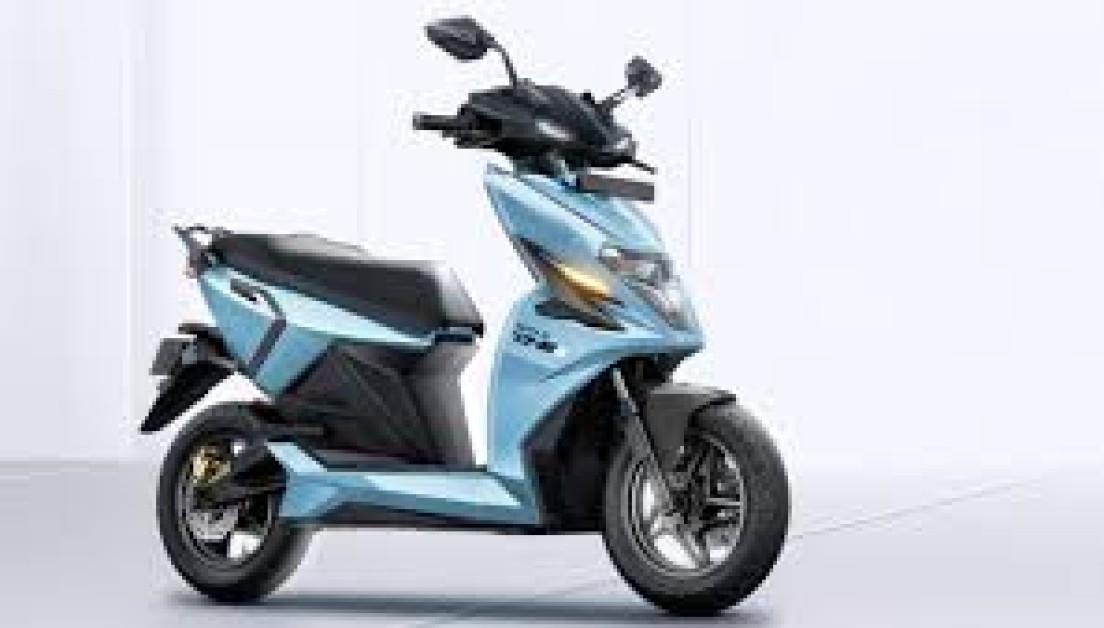
Simple Energy Secures $180 Million Funding
The $180 million transaction represents Simple Energy's largest funding round since its establishment.
The fresh capital significantly strengthens the company's financial resources at a time when scaling an electric-vehicle business requires substantial investment across manufacturing, batteries, technology, distribution and after-sales infrastructure.
Simple Energy has been building an integrated electric two-wheeler platform centred on its electric scooters and proprietary technology.
The latest funding gives the company additional capacity to expand those operations as it seeks to reach more customers across India.
Funds to Support Manufacturing Expansion

Manufacturing is expected to be a major area of investment following the fundraising.
Scaling electric two-wheeler production requires investment not only in final vehicle assembly but also in battery systems, powertrains, supply-chain capacity, quality control and automation.
Simple Energy has pursued a relatively high level of vertical integration, developing several important components and technologies internally.
Additional capital can help the company increase production while improving manufacturing efficiency as sales volumes grow.
A larger production base could also allow Simple Energy to address more markets without being constrained by vehicle availability.
Retail Network Set for Wider Expansion
Simple Energy also plans to use the new funding to expand its physical retail and service footprint.
While electric vehicles are increasingly researched and purchased through digital channels, physical experience centres remain important for test rides, customer education, vehicle deliveries and after-sales support.
Expanding into additional cities can therefore increase both brand visibility and customer accessibility.
A broader service network is particularly important for younger automobile companies because consumers often evaluate long-term maintenance and support alongside vehicle specifications before making a purchase.
Simple Energy Builds Around Electric Scooter Portfolio
Simple Energy's product strategy has focused on electric scooters designed to combine range, performance and connected technology.
The company's Simple One platform has been central to its entry into the Indian electric two-wheeler market.
As competition increases, the company is expected to continue developing its portfolio to address different customer segments and price points.
Product diversification can help an EV manufacturer reduce dependence on a single model while increasing the addressable market across urban commuters and other mobility categories.
Research and Development Remains a Key Priority
A portion of the $180 million funding is expected to support research and development.
Electric two-wheelers depend heavily on battery performance, thermal management, power electronics, motors, software and vehicle-control systems.
Improvements in these areas can increase range and efficiency while helping manufacturers manage costs.
Software has also become an increasingly important part of modern electric vehicles, supporting connectivity, diagnostics, navigation, charging information and over-the-air updates.
Continued R&D investment will therefore be important as Simple Energy competes with both EV-focused startups and established automobile manufacturers.
India's Electric Two-Wheeler Market Is Becoming More Competitive
India represents one of the world's largest two-wheeler markets, creating a substantial long-term opportunity for electrification.
Electric scooters have already established a growing presence in urban mobility as consumers evaluate running costs, charging availability, performance and environmental considerations.
However, competition has intensified considerably.
Companies including Ola Electric, Ather Energy, TVS Motor, Bajaj Auto and Hero MotoCorp are expanding their electric two-wheeler businesses, while other manufacturers are also developing new products.
Simple Energy will therefore need to translate its latest capital raise into production scale, distribution and sustained customer adoption.
Vertical Integration Could Play an Important Role
Simple Energy has emphasised in-house technology development as part of its business strategy.
Vertical integration can give an electric-vehicle company greater control over critical components and potentially improve product optimisation.
It can also reduce dependence on external suppliers for selected technologies as production scales.
However, building technology internally requires substantial capital and engineering resources, making access to funding particularly important during the expansion stage.
The $180 million round provides Simple Energy with additional resources to continue investing in this strategy.
Funding Comes as EV Companies Focus on Sustainable Scale
India's electric-vehicle sector has attracted significant investment over recent years, but investors are increasingly focused on whether companies can convert technological development into sustainable commercial scale.
EV manufacturers must manage high capital requirements while building supply chains, distribution networks and customer-service infrastructure.
They must also compete on vehicle pricing while continuing to invest in technology.
For Simple Energy, the latest round provides additional financial flexibility, but execution will determine how effectively the capital translates into market expansion.
Manufacturing and Distribution Will Be Critical
Increasing production alone will not guarantee higher sales.
Simple Energy will need to coordinate manufacturing expansion with retail growth, service infrastructure, supply-chain management and customer demand.
Reliable vehicle deliveries and after-sales support can become particularly important as a brand expands beyond its initial markets.
The company will also need to manage battery costs and other component expenses while maintaining competitive vehicle pricing.
These operational factors will influence how quickly Simple Energy can convert its latest fundraising into higher volumes.
India Remains a Major Electric Mobility Opportunity
Electric two-wheelers could play an important role in India's transition toward cleaner transportation because motorcycles and scooters account for a substantial share of personal mobility.
Lower operating costs can make electric scooters attractive to daily commuters, particularly where users have reliable access to charging.
Continued development of charging infrastructure, battery technology and financing options could further support adoption.
For manufacturers, the size of India's conventional two-wheeler market means even a gradual shift toward electric vehicles can create a large addressable opportunity.
Conclusion
Simple Energy's $180 million funding round gives the electric two-wheeler manufacturer substantial additional capital to pursue its next phase of growth.
The company plans to use the funds to expand manufacturing, increase its retail and service presence, strengthen research and development and advance its technology and product portfolio.
The fundraising comes as competition in India's electric two-wheeler market intensifies. Simple Energy's ability to translate the new capital into higher production, broader distribution and sustained customer adoption will be central to its expansion strategy.
 Simple Energy Raises $180 Million to Accelerate Electric Two-Wheeler Expansion FAQs
POST A COMMENT (0)
All Comments (0)
Replies (0)