





Biometric Security in 2025: Face, Fingerprint, or DNA?
As digital threats evolve in 2025, traditional passwords and PINs are becoming obsolete. Biometric security—authentication methods based on unique biological traits—has become the gold standard for protecting devices, data, and identities. But with multiple options available, the question arises: Which is more secure—face, fingerprint, or DNA recognition?
Here’s a deep dive into how these technologies work, their strengths, and their future potential.
1. Facial Recognition: Fast and Contactless
Facial recognition has become a mainstream biometric security tool used in smartphones, banking apps, and airports. Advanced AI-powered systems can scan over 30,000 facial points to confirm identity in seconds.
Pros:
-
Contactless and convenient
-
Integrated with phones, ATMs, and border control
-
Improved accuracy with 3D mapping and infrared sensors
Cons:
-
Vulnerable to spoofing if not equipped with advanced anti-spoof tech
-
Privacy concerns with public surveillance
-
Accuracy drops with masks or lighting changes
Use Cases in 2025:
-
Smartphone unlock and mobile payments
-
Airport boarding and immigration checks
-
Banking and e-commerce authentication
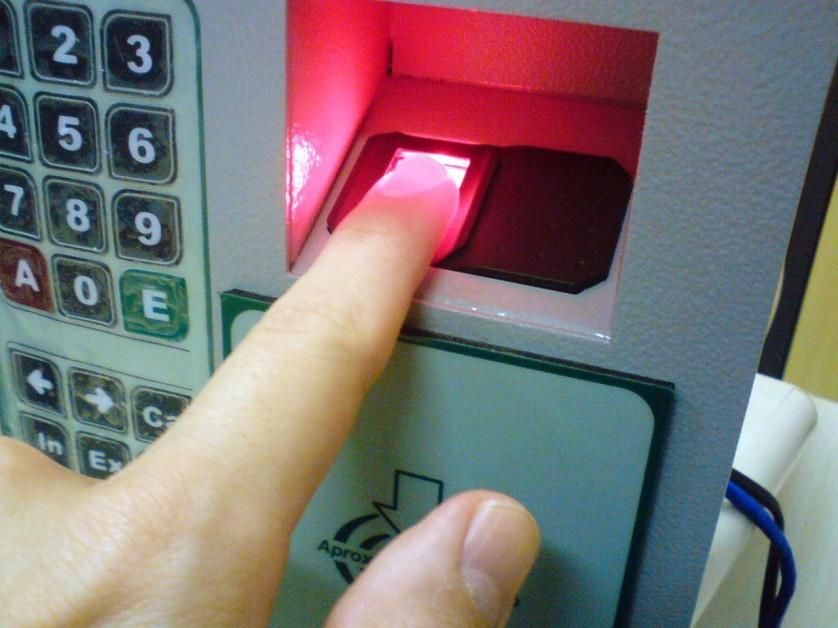
2. Fingerprint Scanning: Reliable and Widely Adopted
Fingerprint authentication has been a trusted biometric method for years and remains popular in 2025. Enhanced ultrasonic sensors can now detect deeper skin layers, making it harder to fake.
Pros:
-
High reliability and cost-effective
-
Simple and widely supported across devices
-
No need for internet or cloud storage for authentication
Cons:
-
Requires physical touch (less hygienic post-pandemic)
-
Fingerprints can be copied or degraded with age/injury
-
Slower adoption in high-security applications compared to face or DNA
Use Cases in 2025:
-
Secure workplace access
-
Laptop and mobile device unlock
-
ATM and payment authentication
3. DNA Authentication: The Future of Biometric Security
DNA-based biometrics, once confined to forensic science, are emerging as the ultimate form of identity verification in 2025. By analyzing a person’s genetic code, DNA authentication offers unmatched uniqueness and near-impossible duplication.
Pros:
-
Nearly impossible to replicate or spoof
-
Works even if fingerprints or facial features change
-
Offers medical and identity verification synergy
Cons:
-
Expensive and slow compared to other methods
-
Raises significant privacy and ethical concerns
-
Requires secure handling of sensitive genetic data
Use Cases in 2025:
-
Ultra-secure government and defense facilities
-
High-value transactions and identity-proofing
-
Healthcare identity verification
Which Biometric Is the Best in 2025?
-
Everyday Use (phones, banking, workplaces): Facial recognition wins due to speed and convenience.
-
Mid-Level Security (corporate, personal devices): Fingerprint scanning remains reliable and cost-effective.
-
High-Security Environments (defense, government): DNA authentication is the future but limited to specialized use due to cost and privacy concerns.
The Future of Biometric Security
By 2030, multi-modal biometric systems—combining face, fingerprint, and DNA—are expected to dominate, offering layered security that minimizes risks from any single method. AI will play a major role in enhancing accuracy and real-time identity verification while addressing spoofing and deepfake attacks.
Conclusion
In 2025, biometric security is evolving rapidly to keep pace with cyber threats. While facial recognition leads in accessibility, fingerprints remain practical, and DNA represents the cutting edge of secure authentication. A hybrid approach integrating all three could soon become the global standard for identity protection.
 Related News
POST A COMMENT (0)
All Comments (0)
Replies (0)