





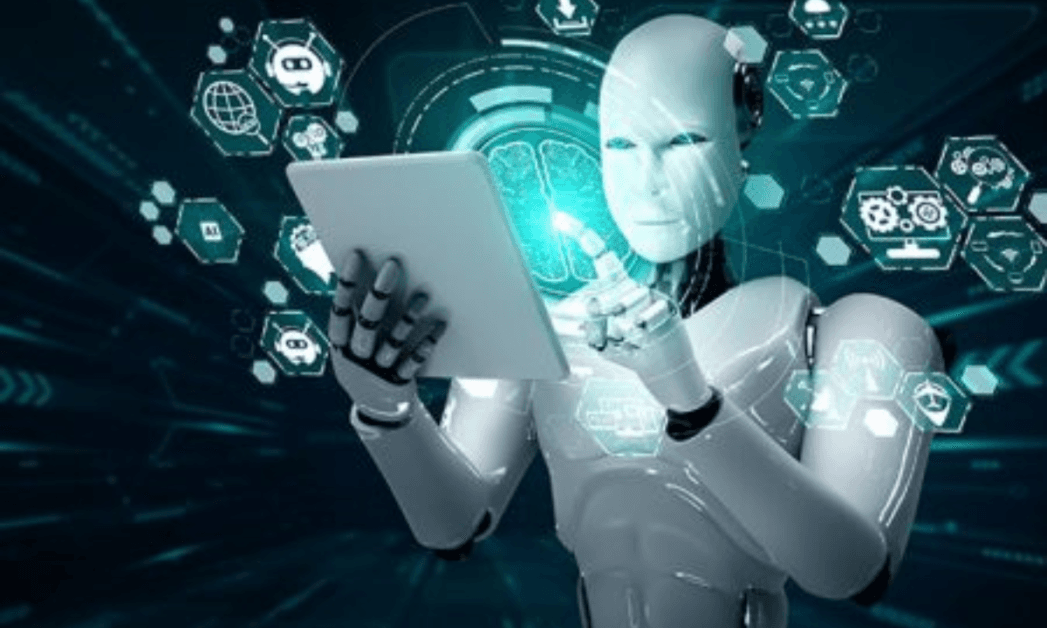
Generative AI has moved from being a futuristic concept to a disruptive force that is quietly replacing traditional jobs across the world in 2025. With AI systems becoming more capable, autonomous, and cost-effective, companies are rapidly integrating them into daily operations. This shift is changing how industries function and redefining the skills required in the modern workforce. While AI promises efficiency and innovation, it is also reshaping job structures in ways many people never expected.
One of the biggest areas experiencing job displacement is customer service. AI-powered chatbots and voice assistants are now handling tasks that once required human support teams. These systems can answer queries, resolve complaints, and guide customers through complex processes with accuracy and speed. Companies prefer AI tools because they work 24 hours a day, do not require training after deployment, and provide consistent service. As a result, many traditional customer-care roles are becoming automated.
Content creation has also undergone major transformation. Generative AI tools can write articles, create reports, draft marketing material, and generate social media posts within minutes. Graphic designers, copywriters, and video editors are finding that certain repetitive tasks can now be completed instantly by AI. While creative professionals still play a crucial role in strategy and originality, basic content generation is increasingly managed by AI, reducing the need for large teams.
In finance and banking, automation is replacing clerical and analytical roles. AI systems can process loans, detect fraud, handle documentation, and perform risk assessments faster than human employees. Tasks like data entry, reconciliation, and basic customer communication are now almost fully automated. This shift enables banks to reduce operational costs, but it also means fewer entry-level positions for graduates starting their careers.
The IT sector, often considered safe from automation, is also experiencing changes. Generative AI tools capable of writing code, identifying bugs, and automating deployments have reduced the need for large developer teams. AI-assisted coding speeds up software development and reduces manual work. Junior programmers and testing teams are most affected, with companies now hiring smaller but more highly skilled technical teams to supervise AI-driven workflows.
Administrative and back-office roles are among the most heavily disrupted. Tasks such as scheduling, documentation, transcription, and report generation are increasingly handled by AI-based assistants. Corporates and small businesses alike are using AI platforms to manage HR activities, payroll processes, and data management. What once required several employees can now be handled by a single AI-integrated dashboard, transforming the structure of office operations.
Education is experiencing a more subtle shift. AI is not outright replacing teachers, but it is reducing the need for certain roles such as tutors, graders, and academic assistants. Generative AI can create lesson plans, grade assignments, track student performance, and provide personalized study guidance. This reduces the workload of educators and shifts their focus toward mentorship and student engagement rather than repetitive administrative tasks.
Even creative industries like advertising, entertainment, and filmmaking are seeing the influence of AI. Tools that generate scripts, storyboards, designs, and even music are becoming mainstream. Production houses and agencies are using AI to brainstorm ideas and speed up pre-production processes. While human creativity remains irreplaceable, AI is reducing the manpower required for concept development and preliminary design tasks.
The impact on the workforce is significant. Many traditional roles are shrinking while new AI-driven jobs are emerging. Skills such as prompt engineering, data analysis, automation supervision, and AI system management are becoming essential. The workforce of 2025 must adapt by learning how to work alongside AI rather than compete against it. Upskilling is no longer optional; it is the foundation for career survival in an AI-driven world.
However, the rise of generative AI also presents opportunities. By automating repetitive and time-consuming tasks, AI frees professionals to focus on strategic, creative, and human-centered responsibilities. Startups and small businesses can operate more efficiently, reducing costs and increasing productivity. New industries are emerging around AI ethics, auditing, system training, and regulation.
Generative AI is quietly transforming the global job landscape, not through sudden elimination but through gradual replacement of repetitive roles. As 2025 unfolds, the world is witnessing a workforce transition unlike any seen before. The future belongs to those who adapt, reskill, and embrace the powerful partnership between human intelligence and artificial intelligence.
 More Articles for Robotics
 Future of Synthetic Intelligence: Opportunities, Challenges, and Global Integration
POST A COMMENT (0)
All Comments (0)
Replies (0)