





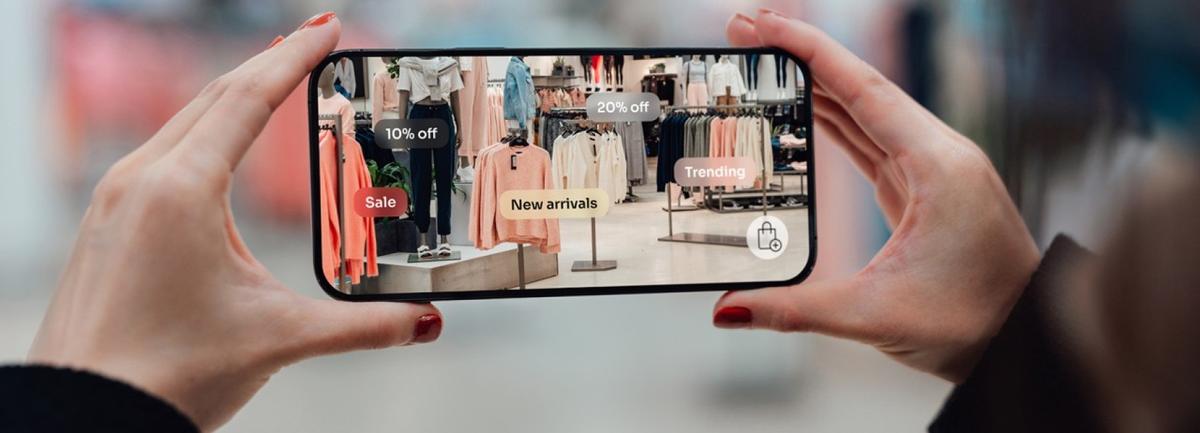
Augmented Reality (AR) has quietly grown from a futuristic novelty into one of the most disruptive technologies in the retail sector. Once limited to gaming and entertainment, AR now plays a vital role in how consumers interact with products, make purchasing decisions, and experience brands. As we increasingly blend the digital and physical worlds, AR is changing the way we shop—forever.
What Is Augmented Reality in Retail?
Augmented Reality overlays digital information—such as images, animations, or 3D models—onto the real-world environment, typically through smartphones, tablets, or AR glasses. In retail, this allows customers to:
-
Visualize products in real-time
-
Try on items virtually
-
Customize products before buying
-
Interact with brand experiences from home or in-store
This enhanced experience goes far beyond traditional ecommerce or brick-and-mortar shopping, giving users a hands-on, immersive feel—without ever touching the actual product.
Virtual Try-Ons: No Fitting Room Needed
One of the most popular applications of AR is the virtual try-on feature.
-
Clothing and Fashion: Brands like Zara, H&M, and ASOS offer apps or mirrors that let customers see how outfits will look on their body shape.
-
Eyewear: Companies such as Lenskart and Warby Parker allow users to try on glasses virtually, detecting face shape and size in real time.
-
Makeup: Sephora and L'Oréal let customers test lipsticks, foundations, and eyeshadows using AR facial recognition.
These tools help reduce product returns, boost customer confidence, and improve purchase satisfaction.
See It in Your Space: AR for Furniture and Home Goods
AR helps solve one of ecommerce’s biggest challenges: the inability to see how an item fits in your space.
-
IKEA Place App lets users place 3D models of furniture into their living rooms using their smartphone camera.
-
Amazon AR View enables product placement in real environments, offering visual context before purchase.
-
Home Depot and Wayfair have integrated AR to help users imagine how a sofa, rug, or lighting fixture would look in their homes.
This feature eliminates guesswork, prevents sizing errors, and enhances buyer satisfaction.
Personalized Shopping Experiences
AR doesn’t just visualize—it customizes.
Brands now offer AR-powered customization tools where consumers can:
-
Change the color or texture of a product
-
See engraved text or design additions in real time
-
Preview build-your-own products (like shoes or tech gadgets)
This hands-on interaction boosts engagement and lets the customer feel in control of the shopping journey.
In-Store AR: Blending Physical and Digital
AR isn't just for online. It’s transforming brick-and-mortar stores too:
-
Interactive store displays can scan products and show 3D specs, tutorials, or styling tips.
-
AR mirrors let shoppers try multiple outfits digitally without changing clothes.
-
Navigation tools inside large stores guide customers to product locations or highlight offers.
Retailers like Nike and Adidas have added AR experiences in flagship stores to increase customer footfall and brand loyalty.
Benefits for Businesses
Retailers that adopt AR benefit in several ways:
-
Reduced product returns: AR try-ons lower the chance of “buyer’s remorse”
-
Increased conversion rates: Better visualization leads to faster, more confident purchases
-
Higher engagement: AR tools are interactive, keeping users on platforms longer
-
Data insights: Tracking AR usage helps brands understand consumer behavior more deeply
According to Shopify, products with AR content see a 94% higher conversion rate compared to those without.
Challenges and Future Potential
While AR is transforming retail, challenges remain:
-
High development costs for realistic AR models
-
Device compatibility across users
-
Bandwidth and processing power for seamless experiences
However, as 5G networks, AR-capable smartphones, and AI-driven personalization become standard, the barrier to entry is rapidly dropping.
In the future, we may see:
-
Full virtual shopping malls with AR overlays
-
AR glasses replacing phone screens
-
Real-time product recommendations based on gaze and behavior
Conclusion
Augmented Reality is not just a trend—it is reshaping the very fabric of how we shop. From virtual try-ons to interactive product displays and personalized experiences, AR is closing the gap between digital curiosity and real-world confidence. As technology matures, the future of shopping will not just be online or offline—it will be immersive, intuitive, and entirely reimagined through AR.
 Related News
POST A COMMENT (0)
All Comments (0)
Replies (0)