





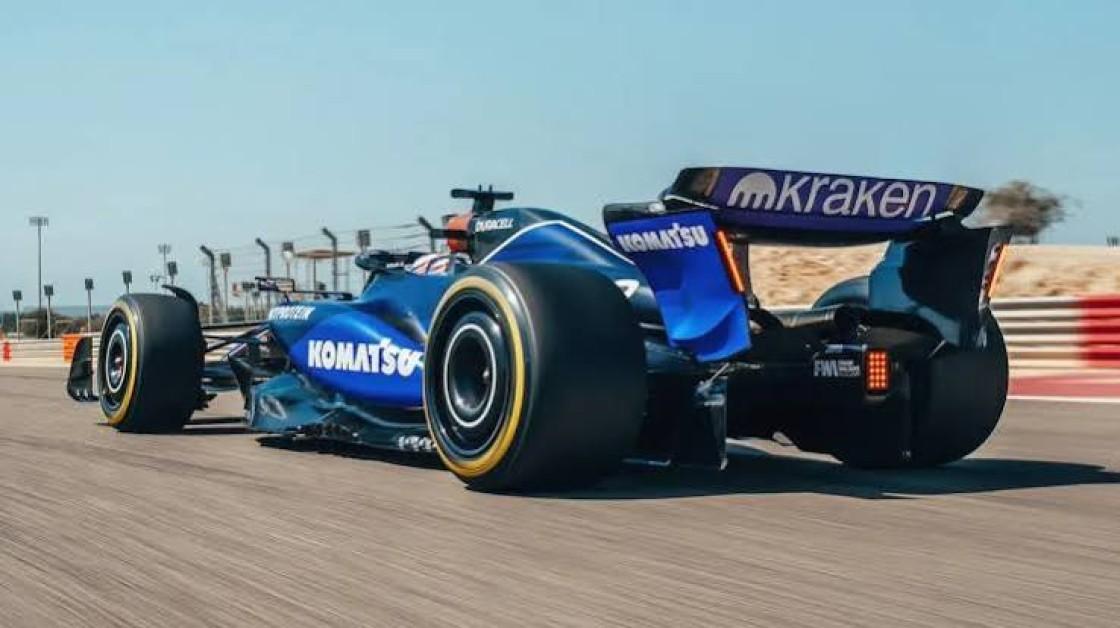
Indian Technology Companies Increase Motorsports Partnerships as Brands Chase Global Audiences
Indian technology, digital-media and mobility companies are increasing their exposure to global motorsports as Formula 1, Formula E, esports and other racing properties become more valuable platforms for reaching younger, digitally engaged and internationally distributed audiences.
The trend is emerging across several parts of the sports economy.
Indian streaming platform FanCode has extended its exclusive Formula 1 broadcasting partnership through 2028.
Formula 1 has launched an India-specific sim-racing competition with Mumbai Falcons.
Mahindra has deepened the commercial connection between its electric-vehicle business and Formula E.
At the same time, global technology groups with major Indian operations are increasingly using Formula 1 and elite motorcycle racing to demonstrate artificial intelligence, computing and digital-infrastructure capabilities.
The result is a broader shift in how technology companies view motorsports.
Racing is no longer simply a sponsorship opportunity.
It is becoming a combined platform for branding, product demonstration, digital content, customer engagement and technology storytelling.
Motorsports Is Becoming More Valuable to Technology Brands

Few sports connect technology and entertainment as visibly as motorsports.
Modern racing depends on:
data,
software,
advanced materials,
communications,
and high-performance computing.
That makes motorsports a natural environment for technology companies.
A cloud, AI or hardware company can do more than place its logo on a race car.
It can demonstrate how its technology contributes to performance.
Formula 1 Offers Truly Global Audience
Formula 1 has developed one of the world's largest international sports audiences.
The championship says its global fanbase has reached more than 800 million.
Races take place across:
Europe,
Asia,
the Middle East,
North America,
and Latin America.
A single partnership therefore gives brands visibility across several important consumer and enterprise markets.
For Indian companies seeking international recognition, this reach is difficult to replicate through domestic sponsorship alone.
India Has Become Important Formula 1 Audience
Formula 1's Indian fanbase has expanded rapidly.
The championship says India now has approximately 79 million fans, making the country one of its important growth markets.
Younger audiences have played a major role.
Streaming, social media and motorsport-focused communities have allowed Formula 1 to grow even without an Indian Grand Prix currently on the calendar.
That provides technology and media companies with a commercially attractive audience.
FanCode Extends Formula 1 Partnership Through 2028
Indian sports-streaming company FanCode has extended its exclusive Formula 1 rights arrangement in India through the end of 2028.
The relationship originally began in 2024.
FanCode now carries:
practice sessions,
qualifying,
Sprint events,
and every Grand Prix.
The platform also distributes access to Formula 1's premium streaming services.
This makes FanCode one of the strongest examples of an Indian digital company using global motorsport as a strategic growth asset.
Formula 1 Helps FanCode Attract Premium Sports Users
Motorsport audiences can be attractive to subscription platforms because fans often follow the entire season rather than a single event.
A Formula 1 customer may return several times during each race weekend.
That creates recurring engagement.
For FanCode, the commercial value extends beyond direct subscription revenue.
Formula 1 can help:
attract new users,
increase viewing time,
and strengthen the platform's premium sports positioning.
Sports Streaming Is Becoming Competitive Technology Market
Modern sports broadcasting is increasingly a technology business.
A streaming platform needs:
low-latency video,
payment systems,
recommendation engines,
and reliable infrastructure.
Motorsport places especially high demands on streaming because races are followed live and fans expect continuous coverage.
Technology performance therefore directly influences the value of the media rights.
Formula 1 Launches Sim Racing India Open
Formula 1 has also expanded its digital relationship with Indian audiences by launching the F1 Sim Racing India Open 2026 in partnership with Mumbai Falcons.
The competition uses the official Formula 1 game to create a national pathway for Indian sim racers.
Participants progress through:
time trials,
qualifying rounds,
and national finals.
The programme creates another entry point into motorsports for people who may never have access to physical racing cars.
Sim Racing Lowers Entry Barrier
Traditional motorsport is expensive.
Drivers require:
cars,
tracks,
mechanics,
and travel.
Sim racing dramatically reduces those costs.
A competitive racing simulator can still require investment, but the barrier is far lower than operating a real race programme.
This makes digital racing particularly relevant in India, where motorsport interest is expanding faster than physical racing infrastructure.
Gaming Creates Technology-Motorsport Bridge
Sim racing sits directly between:
gaming,
technology,
and motorsports.
That makes it commercially attractive to technology brands.
Potential sponsors can include:
PC manufacturers,
semiconductor companies,
gaming platforms,
and connectivity providers.
A young motorsport fan may therefore first enter racing culture through a screen rather than a circuit.
Esports Can Expand Motorsport Sponsorship Inventory
Physical racing has limited teams, cars and trackside advertising positions.
Digital racing creates additional sponsorship opportunities.
Brands can appear in:
online broadcasts,
gaming events,
and community competitions.
This allows companies with smaller budgets to participate in motorsport marketing without purchasing expensive Formula 1 team sponsorships.
Mahindra Connects Formula E With Consumer EV Brand
Mahindra provides another important Indian example.
The company has used its long-running Formula E involvement to connect motorsport with its growing electric-vehicle business.
Mahindra introduced a Formula E-themed edition of its BE 6 electric SUV, linking the racing programme directly with a consumer product.
This is different from conventional sponsorship.
Formula E becomes part of the product's brand identity.
Formula E Gives Mahindra Technology Story
Electric racing aligns directly with Mahindra's transition toward EVs.
The championship revolves around technologies relevant to consumer electric vehicles, including:
battery management,
power efficiency,
electric motors,
and software.
That creates a credible link between competition and the products Mahindra sells.
Motorsport therefore becomes both marketing and technology communication.
Racing Helps Make EVs Emotional
Electric vehicles are frequently marketed around efficiency, sustainability and operating costs.
Motorsports add another dimension:
performance.
Formula E allows automakers to associate electric propulsion with:
speed,
competition,
and engineering ambition.
This can help brands move EV messaging beyond purely rational purchasing arguments.
Technology Brands Want Younger Audiences
One reason motorsports sponsorship is becoming more attractive is demographic change.
Formula 1 has reported that a substantial share of its audience is under 35.
The sport has also attracted increasing female participation and viewership.
Technology companies are often seeking exactly these demographics.
They want consumers who are:
digitally connected,
comfortable with subscriptions,
and interested in innovation.
Motorsports offers a concentrated version of that audience.
Social Media Multiplies Sponsorship Value
A sponsorship no longer exists only during the race.
Teams and championships publish content throughout the week.
Drivers communicate directly with fans.
Short-form videos circulate constantly.
One motorsports partnership can therefore generate material across:
Instagram,
YouTube,
and other digital channels.
That substantially increases the number of brand exposures generated from a single sponsorship agreement.
Formula 1 Became More Than Race Broadcast
The championship increasingly operates as a year-round entertainment ecosystem.
Fans consume:
race coverage,
driver interviews,
technical content,
and gaming.
Brands can therefore engage audiences long after the chequered flag.
This is particularly attractive for technology companies accustomed to digital-first marketing.
Motorsport Fans Are Attractive Commercial Consumers
Racing audiences often show strong interest in:
cars,
gaming,
consumer electronics,
and premium products.
That makes them commercially useful to companies selling technology.
A laptop manufacturer can sponsor Formula 1.
A smartphone company can integrate itself into race content.
A digital platform can acquire media rights.
The demographic overlap is unusually strong.
Global Technology Companies Already Prove the Model
Indian brands are entering an environment where major global technology companies have already demonstrated the commercial potential of motorsport.
Lenovo is a Global Partner of Formula 1 and title sponsor of selected Grand Prix events.
Its technology supports F1 operations through:
AI infrastructure,
servers,
storage,
PCs,
and digital workplace systems.
Lenovo also works with Ducati Corse in motorcycle racing.
Technology Can Be Demonstrated Under Extreme Conditions
Motorsport creates a useful marketing environment because technology operates under demanding conditions.
Systems must work:
quickly,
accurately,
and reliably.
A technology company can therefore position racing as proof of performance.
The message is stronger than ordinary advertising because the technology is associated with real operational requirements.
Formula 1 Is Becoming AI Showcase
Formula 1 partnerships increasingly include artificial intelligence.
Salesforce, for example, has expanded its relationship with Formula 1 through an AI-powered fan companion designed to help audiences understand new racing regulations.
This shows how motorsports partnerships are moving beyond visibility.
Technology companies are beginning to build actual fan-facing products within the sport.
Indian AI Companies Could Follow
This creates potential opportunities for Indian AI businesses.
Companies could participate through:
fan analytics,
translation,
content personalisation,
or race-data applications.
As Indian AI firms look for international visibility, motorsports could become an attractive demonstration environment.
The barrier will be sponsorship cost and the ability to create a credible technology connection.
Formula 1's Return to India Could Accelerate Trend
India is also exploring the possible return of Formula 1 racing to the country.
Government officials and stakeholders have been discussing a revival of the Indian Grand Prix at the Buddh International Circuit, potentially around 2028.
If the event returns, commercial interest from Indian brands could increase sharply.
A home Grand Prix would provide sponsorship opportunities that currently require companies to activate mainly through overseas races or digital media.
Adani Group Interest Adds Corporate Momentum
The Adani Group has been involved in discussions around reviving Formula 1 in India.
Its involvement demonstrates the scale of corporate interest surrounding the opportunity.
A Formula 1 return would require more than organising a race.
It could create commercial activity across:
hospitality,
tourism,
media,
and sponsorship.
Technology companies could become important participants in that ecosystem.
Indian Grand Prix Could Become Brand Showcase
A home race would offer Indian companies the ability to entertain international customers, employees and partners without travelling abroad.
That matters particularly for B2B technology businesses.
A major IT-services company could use the event for:
client hospitality,
global branding,
and technology demonstrations.
The commercial model therefore extends far beyond television advertising.
B2B Technology Firms Have Different Sponsorship Logic
Consumer brands sponsor sports largely to influence purchasing.
Enterprise technology companies often have another objective.
They want access to corporate decision-makers.
Formula 1 races attract:
CEOs,
investors,
and multinational executives.
Hospitality can therefore become a significant part of sponsorship value.
Motorsports Can Support Global Sales Relationships
Indian IT companies generate most of their revenue outside India.
Their customers are located across:
North America,
Europe,
and Asia.
A global sports property allows a technology company to create one sponsorship platform that can be activated across all of those regions.
That can be more efficient than managing separate local sponsorships.
Indian IT Companies Already Think Globally
India's largest technology-services firms operate as global businesses.
Their brand-building challenge is different from that of domestic consumer companies.
They need to strengthen recognition among enterprise customers, employees and investors worldwide.
Motorsports can provide international visibility without requiring the brand to be consumer-facing.
Racing Mirrors Technology-Sector Values
Motorsports naturally communicates several ideas technology companies want associated with their brands:
speed,
precision,
innovation,
data,
and performance.
This makes sponsorship storytelling relatively straightforward.
A technology brand does not need to explain why it is present in racing as much as it might in some unrelated sport.
AI Makes Connection Even Stronger
Modern racing teams analyse enormous datasets.
AI can help with:
simulation,
strategy,
vehicle setup,
and fan engagement.
The sport therefore provides a practical environment for demonstrating AI applications.
As technology companies increasingly position themselves around artificial intelligence, motorsports becomes an even more relevant sponsorship platform.
Automotive Software Expands Commercial Overlap
Modern racing cars and road vehicles contain increasing amounts of software.
Automakers need expertise in:
embedded systems,
digital engineering,
and cybersecurity.
Indian engineering and IT companies already provide these services globally.
Motorsport partnerships can therefore support both marketing and business development within the automotive industry.
Engineering R&D Companies Could Benefit
India has a large engineering-research and development services industry.
These companies help global manufacturers develop:
vehicles,
industrial systems,
and electronics.
Racing provides an opportunity to associate engineering brands with high-performance applications.
This could become more common as engineering services become more central to India's technology-export story.
Semiconductor Brands Are Natural Motorsport Partners
Racing relies heavily on electronics.
Cars use:
control units,
sensors,
and communications systems.
That creates obvious opportunities for semiconductor companies.
India's emerging semiconductor industry could eventually use motorsport partnerships as a global branding platform.
A domestic chip company supporting a racing programme would create a strong technology-performance association.
EV Startups Could Use Formula E and MotoE
Electric motorsports offer particularly relevant opportunities for India's EV ecosystem.
Potential participants include:
battery companies,
charging businesses,
and software providers.
A partnership can help demonstrate technology while building consumer awareness.
The challenge is ensuring sponsorship spending does not outpace business scale.
Motorsport Sponsorship Is Expensive
Global racing platforms command premium prices.
Formula 1 sponsorship in particular can require substantial budgets.
That creates a significant barrier for smaller Indian companies.
Brands need to evaluate whether the international visibility produces enough commercial return.
A visually impressive logo placement can still be a poor investment if it does not support the company's actual business strategy.
Measurement Is Becoming More Important
Sponsors increasingly demand detailed performance data.
They want to understand:
digital engagement,
brand awareness,
and customer acquisition.
Technology can make this easier.
Digital platforms can track how fans interact with sponsorship content across multiple channels.
This allows brands to assess motorsports investments more rigorously than in previous decades.
Technology Companies Can Activate Sponsorship Differently
A traditional sponsor may simply display its logo.
Technology brands can build products around the partnership.
They can create:
apps,
AI experiences,
gaming competitions,
and interactive fan tools.
This can generate more value from the same sports rights.
The sponsorship becomes an innovation programme rather than only media inventory.
Sim Racing Offers Lower-Cost Entry
For Indian technology companies unable to afford full Formula 1 partnerships, sim racing provides a practical alternative.
Sponsors can support:
competitions,
teams,
streamers,
or gaming communities.
The audience remains closely connected to motorsport.
Costs are substantially lower.
This could become one of the fastest-growing entry points for Indian technology brands.
Indian Gaming Industry Can Benefit
India's gaming sector is expanding rapidly.
Motorsport games create an overlap between sports fans and gamers.
A stronger sim-racing ecosystem could create opportunities for:
gaming platforms,
PC brands,
and esports organisers.
Formula 1's India Open gives the category additional credibility.
Fan Communities Increase Sponsorship Value
India's Formula 1 audience increasingly gathers through:
watch parties,
college groups,
and online communities.
These communities are commercially valuable because they create repeated engagement.
Brands can sponsor experiences rather than only broadcasts.
A technology company could support local watch parties while simultaneously activating a global partnership.
FanCode Already Uses Community Strategy
FanCode has organised Formula 1 fan screenings as part of its efforts to engage Indian audiences.
This illustrates how media rights can become more than digital distribution.
Physical community events help convert remote viewers into stronger brand relationships.
That creates additional sponsorship and advertising opportunities.
Streaming Data Helps Brands Understand Fans
Digital sports platforms know more about viewers than traditional television networks historically did.
They can analyse:
location,
viewing duration,
subscription behaviour,
and device use.
This enables more targeted commercial partnerships.
Technology brands can therefore combine motorsport sponsorship with data-driven audience strategies.
Connected TV Expands Opportunity
Sports viewing is increasingly shifting onto connected television.
This gives streaming platforms access to the large-screen experience traditionally dominated by broadcasters.
For advertisers, connected TV combines:
television-scale viewing,
with digital targeting.
Motorsports could therefore become an increasingly valuable premium advertising property.
Premium Audience Can Support High-Value Advertising
Formula 1 frequently attracts consumers interested in premium products.
That creates strong demand from:
automotive,
financial-services,
luxury,
and technology companies.
As Indian consumer incomes rise, global motorsport audiences become more commercially relevant to domestic brands.
A company can target both Indian and international consumers through the same property.
Motorsports Can Support Employer Branding
Technology companies also compete intensely for talent.
Sports partnerships can strengthen employer brand among younger engineers.
Employees may feel stronger attachment to a company associated with exciting global properties.
Recruitment campaigns can integrate motorsports content.
This can be particularly valuable in specialised areas such as:
AI,
automotive engineering,
and cybersecurity.
Sponsorship Can Become Innovation Recruitment Tool
A technology company working directly with a racing team can offer engineers unusually interesting projects.
That can help attract candidates motivated by performance engineering.
The partnership therefore creates both external marketing and internal talent benefits.
Indian Brands Need Clear Strategic Fit
The current trend does not mean every technology company should sponsor racing.
The strongest partnerships have a clear connection between brand and sport.
FanCode distributes Formula 1.
Mahindra competes in Formula E and sells EVs.
Technology infrastructure companies provide systems used by racing organisations.
These relationships are credible because the commercial connection is obvious.
Weak Partnerships Can Become Expensive Branding Exercises
A company that enters motorsports only because the audience appears glamorous may struggle to generate returns.
Sponsorship needs to connect with:
customers,
products,
or strategic markets.
Without that connection, the brand may gain visibility but little measurable business value.
Global Expansion Makes Motorsports More Relevant
The reason Indian technology companies are increasingly likely to consider these partnerships is structural.
More Indian companies now operate internationally.
Software businesses sell globally from the beginning.
Consumer technology brands are entering overseas markets.
EV manufacturers have export ambitions.
When the target market becomes global, global sports properties become more relevant.
Sports Sponsorship Can Accelerate International Recognition
Building brand awareness in dozens of countries individually is expensive.
A single global motorsports platform can provide immediate visibility across multiple markets.
That can shorten the time required for an Indian company to establish name recognition internationally.
However, recognition still needs to be converted into customer trust.
Motorsport Partnerships Could Increase Over Next Few Years
Several factors support continued growth:
Formula 1's expanding Indian fanbase,
possible return of the Indian Grand Prix,
growth of sim racing,
and increasing internationalisation of Indian technology companies.
These trends create a stronger commercial environment than existed when Formula 1 last raced in India in 2013.
The next motorsport cycle could therefore attract a much broader range of Indian technology sponsors.
Formula 1 Return Could Be Inflection Point
If Formula 1 returns to India around 2028, the sponsorship market could change quickly.
Domestic technology companies would gain access to:
local hospitality,
trackside branding,
and India-specific campaigns.
The event could also attract global technology partners seeking activation in one of the world's largest digital markets.
That would create competition for premium sponsorship inventory.
Formula E Can Remain Important Even With F1 Return
Formula 1 and Formula E offer different commercial propositions.
Formula 1 provides extraordinary global reach.
Formula E provides a clearer connection with:
electric mobility,
and urban technology.
For Indian EV and clean-tech companies, Formula E may therefore remain the more strategically relevant platform.
Conclusion
Indian technology and digital companies are increasingly treating motorsports as more than a branding exercise.
The combination of global audiences, young digitally engaged fans and a natural association with engineering and innovation makes racing particularly attractive to technology businesses seeking international recognition.
FanCode's extended Formula 1 rights through 2028 demonstrates how motorsports can support a digital-media growth strategy.
Formula 1's Sim Racing India Open creates a new bridge between gaming, technology and motorsport participation.
Mahindra's Formula E-linked consumer products show how racing can be integrated directly into electric-vehicle branding.
Meanwhile, global technology partnerships across Formula 1 and motorcycle racing demonstrate how AI, computing and digital infrastructure can become part of the sporting product itself.
India's potential return to the Formula 1 calendar could accelerate the trend further.
For Indian technology companies expanding internationally, motorsports offers something few marketing platforms can provide simultaneously: global visibility, digital engagement, premium audiences and a credible technology story.
The brands that benefit most, however, will be those that move beyond logo placement and use motorsports to demonstrate technology, engage customers and build lasting international commercial relationships.
 Indian Technology Brands Increase Motorsports Partnerships for Global Reach FAQs
POST A COMMENT (0)
All Comments (0)
Replies (0)