





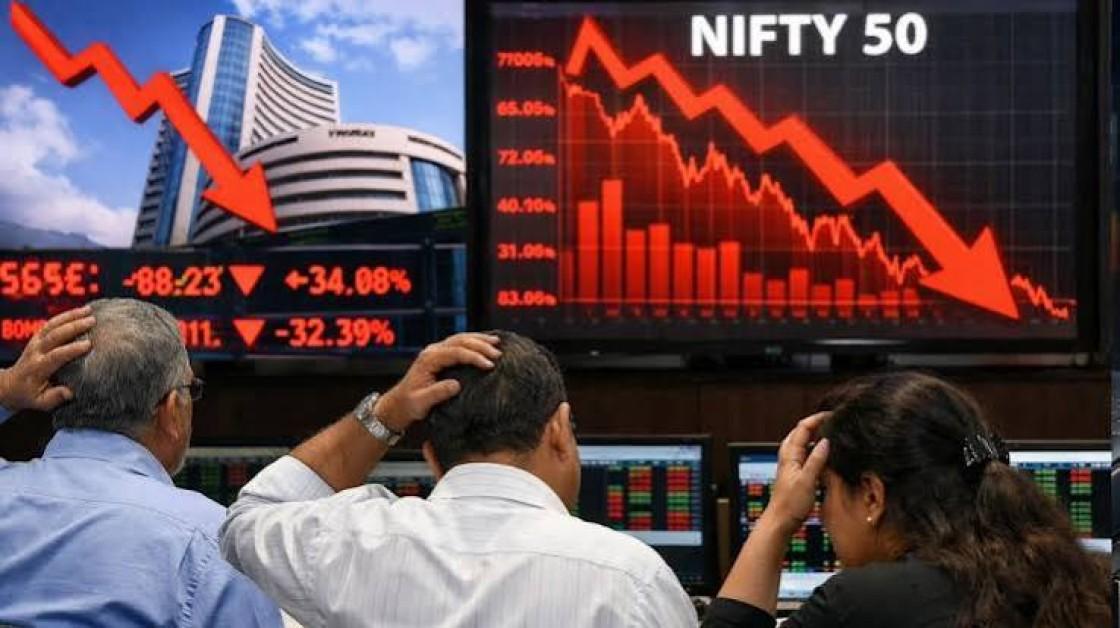
Nifty Opens Weak as Brent Crude Trades Near $90, Weighing on Market Sentiment
Indian equity markets opened on a weaker note as Brent crude hovered near the $90 per barrel mark, prompting cautious sentiment among investors. Rising global oil prices renewed concerns over inflation, import costs, and the broader impact on corporate earnings, leading to selling pressure across several sectors.
Market participants are closely monitoring developments in the global energy market, foreign institutional investor (FII) activity, and macroeconomic indicators as elevated crude prices continue to influence domestic market sentiment.
Why Brent Crude Matters for Indian Markets

India imports a significant portion of its crude oil requirements, making international oil prices a key driver of market performance.
Higher Brent crude prices can result in:
- Increased import costs
- Pressure on the Indian rupee
- Higher inflation expectations
- Rising transportation expenses
- Increased input costs for businesses
- Pressure on fiscal balances
- Lower corporate profit margins in some sectors
As a result, movements in crude oil prices are closely tracked by equity investors.
Sectors Under Pressure
Several sectors typically react negatively to rising oil prices due to higher operating expenses.
These include:
- Aviation
- Oil marketing companies
- Paint manufacturers
- Chemical companies
- Logistics firms
- Automobile manufacturers
- Consumer goods companies
- Manufacturing businesses
Companies with significant fuel and transportation costs may face margin pressures if crude prices remain elevated.
Defensive Sectors May See Interest
While higher crude prices can pressure certain industries, some sectors may demonstrate relative resilience during periods of market volatility.
Investors may watch:
- Information Technology
- Pharmaceuticals
- Healthcare
- Utilities
- Select financial services
- Consumer staples
Market performance, however, will continue to depend on broader domestic and global economic conditions.
Foreign Investor Activity in Focus
Foreign institutional investor (FII) flows remain an important factor influencing market direction.
Investors are expected to monitor:
- FII buying and selling activity
- Global equity market trends
- US dollar movements
- Bond yields
- Emerging market sentiment
- Geopolitical developments
Sustained foreign inflows could help improve market confidence despite external headwinds.
Impact on the Indian Economy
Persistently high crude oil prices may influence several macroeconomic indicators.
Potential effects include:
- Higher inflation
- Increased import bill
- Pressure on the current account deficit
- Currency volatility
- Slower consumer spending in some sectors
- Rising business operating costs
The overall impact will depend on the duration of elevated oil prices and the broader global economic environment.
What Investors Should Watch
Market participants are expected to keep a close eye on:
- Brent crude price movements
- Rupee performance
- Inflation data
- RBI policy expectations
- Corporate earnings
- Global market sentiment
- Domestic economic indicators
- FII and DII investment activity
These factors are likely to shape market direction in the near term.
Broader Market Outlook
Despite short-term volatility caused by rising energy prices, India's long-term equity market outlook continues to be supported by structural economic growth, increasing domestic participation, infrastructure investment, and strong corporate balance sheets.
However, sustained pressure from higher crude oil prices could lead to periodic market corrections, especially in sectors sensitive to fuel costs.
Risks to Monitor
Investors should remain alert to:
- Further increases in crude oil prices
- Geopolitical tensions
- Global inflation trends
- Interest rate expectations
- Currency fluctuations
- Slower global economic growth
- Changes in foreign investment flows
These developments could influence market sentiment over the coming weeks.
Outlook
The Nifty is expected to remain sensitive to movements in global crude oil prices and broader international market developments. While elevated Brent crude may continue to create near-term pressure on equities, domestic economic fundamentals, corporate earnings, and investor participation are expected to remain key drivers of the market's medium- to long-term trajectory.
Conclusion
Indian equities opened lower as Brent crude traded near the $90-per-barrel level, reflecting investor concerns over inflation, higher import costs, and the potential impact on corporate profitability. Although rising oil prices may contribute to short-term volatility, India's economic fundamentals and continued domestic investment activity are expected to provide longer-term support for the equity market. Investors will continue to monitor energy prices, macroeconomic data, and global market trends for further direction.
 Nifty Opens Weak as Brent Crude Trades Near $90, Weighing on Market Sentiment FAQs
POST A COMMENT (0)
All Comments (0)
Replies (0)