





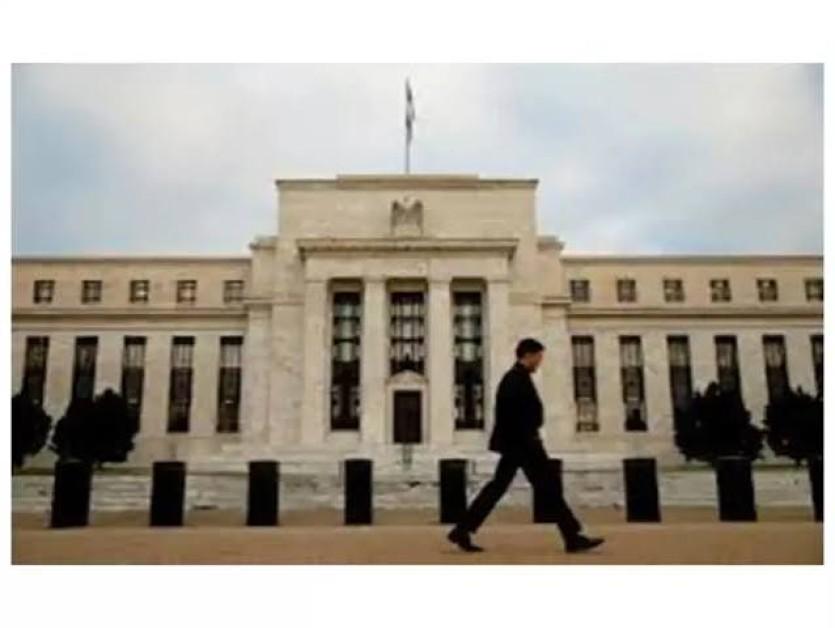
Investors Focus on Federal Reserve Decision Amid Global Market Volatility
Global investors are closely monitoring the upcoming Federal Reserve policy decision as heightened market volatility, inflation expectations and economic uncertainty continue to influence financial markets. The central bank's guidance on interest rates, inflation and economic growth is expected to shape investor sentiment across equities, bonds, currencies and commodities.
With markets already reacting to geopolitical developments, changing inflation trends and mixed economic data, the Federal Reserve's communication is likely to play a significant role in determining the near-term direction of global financial assets.
Federal Reserve Decision Holds Global Significance

The Federal Reserve's monetary policy decisions influence financial conditions well beyond the United States.
Key areas affected include:
-
Global interest rates
-
Bond yields
-
Equity markets
-
Currency movements
-
Capital flows
-
Commodity prices
-
Credit markets
-
Investor confidence
Because the US dollar remains the world's primary reserve currency, changes in US monetary policy often have global implications.
Interest Rate Outlook Remains the Primary Focus
Investors are paying close attention to the Federal Reserve's outlook for interest rates.
Key considerations include:
-
Inflation trends
-
Labour market conditions
-
Economic growth
-
Consumer spending
-
Financial stability
-
Credit availability
-
Business investment
-
Future policy guidance
Forward guidance is often as important to markets as the policy decision itself.
Equity Markets React to Policy Expectations
Stock markets typically respond quickly to changes in monetary policy expectations.
Market participants monitor:
-
Corporate earnings outlook
-
Technology stocks
-
Financial sector performance
-
Consumer spending trends
-
Valuation levels
-
Market liquidity
-
Investor sentiment
-
Sector rotation
Expectations regarding future borrowing costs continue to influence equity valuations.
Bond Markets Watch Yield Movements
Government bond markets remain highly sensitive to Federal Reserve policy signals.
Important indicators include:
-
Treasury yields
-
Yield curve movements
-
Inflation expectations
-
Fixed-income demand
-
Credit spreads
-
Institutional investment
-
Market liquidity
-
Duration positioning
Changes in bond yields often influence borrowing costs throughout the economy.
Currency Markets Monitor the US Dollar
Foreign exchange markets are expected to react to any shift in the Federal Reserve's policy outlook.
Key drivers include:
-
Interest-rate differentials
-
Capital flows
-
Inflation expectations
-
Economic data
-
Global risk sentiment
-
Trade balances
-
Safe-haven demand
-
Central bank actions
Movements in the US dollar can influence global trade and investment decisions.
Emerging Markets Closely Follow the Fed
Emerging economies often experience indirect effects from US monetary policy.
Potential impacts include:
-
Portfolio investment flows
-
Currency volatility
-
Bond market performance
-
Borrowing costs
-
External financing
-
Equity market sentiment
-
Foreign exchange reserves
-
Economic growth
Countries with significant external financing needs generally remain more sensitive to changes in US interest rates.
Commodities Respond to Policy Signals
Commodity markets also react to changes in interest-rate expectations.
Key commodities affected include:
-
Crude oil
-
Gold
-
Silver
-
Copper
-
Natural gas
-
Agricultural products
-
Industrial metals
-
Energy markets
Interest rates, currency movements and global growth expectations all influence commodity prices.
Businesses Monitor Financing Conditions
Corporate decision-makers closely watch Federal Reserve policy because it influences financing costs.
Areas affected include:
-
Capital expenditure
-
Corporate borrowing
-
Business expansion
-
Mergers and acquisitions
-
Commercial lending
-
Real estate investment
-
Infrastructure projects
-
Working capital management
Stable financial conditions generally encourage greater business investment.
Risks to Monitor
Despite expectations surrounding the Federal Reserve meeting, investors continue to monitor several risks.
These include:
-
Persistent inflation
-
Slowing economic growth
-
Geopolitical tensions
-
Financial market volatility
-
Energy price movements
-
Labour market changes
-
Currency fluctuations
-
Global trade uncertainty
-
Credit market stress
-
Unexpected policy shifts
These factors could influence market performance beyond the immediate policy announcement.
What Investors Should Watch
Investors should monitor:
-
Federal Reserve statement
-
Interest-rate decision
-
Economic projections
-
Inflation outlook
-
Treasury yields
-
US dollar movement
-
Global equity performance
-
Commodity prices
-
Corporate earnings
-
Future policy guidance
These indicators will provide valuable insights into the direction of financial markets over the coming months.
Outlook
The Federal Reserve's upcoming policy decision is expected to remain the dominant driver of global financial markets in the near term. Investors will focus not only on any change in interest rates but also on the central bank's assessment of inflation, economic growth and future policy direction.
Clear communication from the Federal Reserve could help reduce uncertainty, while unexpected policy signals may increase volatility across global asset classes.
Conclusion
As global markets navigate inflation, geopolitical risks and uneven economic growth, the Federal Reserve's policy decision remains a critical event for investors worldwide. The outcome will influence borrowing costs, currency markets, bond yields and equity valuations, shaping investment strategies across developed and emerging economies.
Although market volatility is likely to persist, investors will continue to rely on central bank guidance and economic data to assess the outlook for growth, inflation and financial stability.
 Global Markets Await Federal Reserve Decision Amid Volatility FAQs
POST A COMMENT (0)
All Comments (0)
Replies (0)