





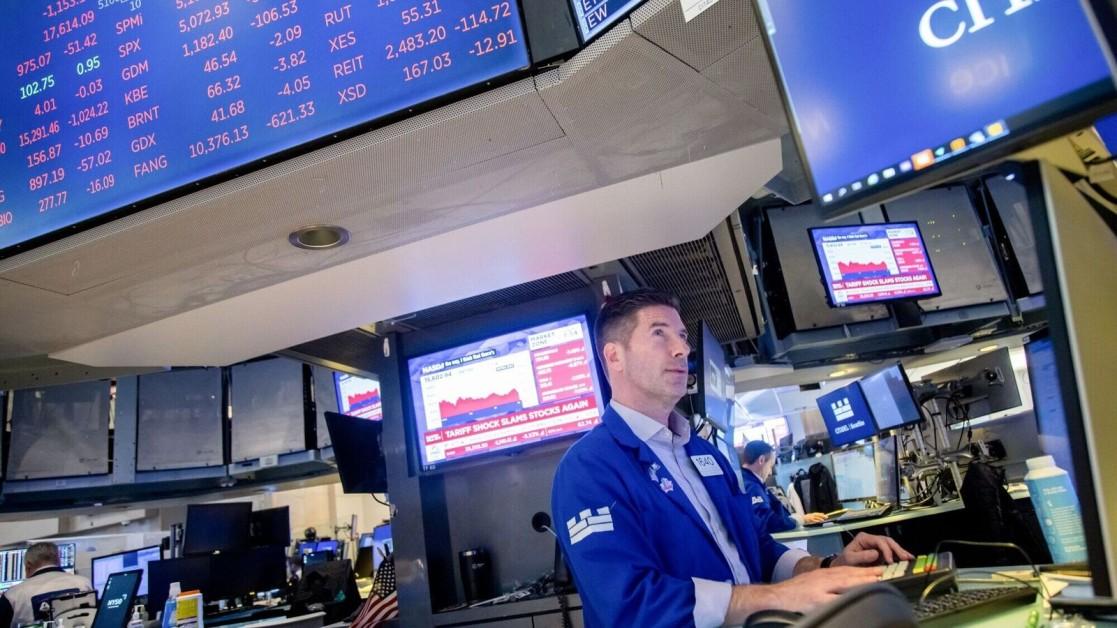
Global stock markets are witnessing a renewed phase of heightened volatility as investors across continents anxiously await key interest rate decisions from the United States. The US Federal Reserve’s monetary policy stance continues to act as the most powerful driver of global financial markets, influencing everything from equity valuations and bond yields to currency movements and capital flows into emerging economies.
Over the past few months, market participants have struggled to predict the exact direction of US interest rates. While inflation has shown signs of moderation in some segments of the economy, persistent cost pressures in services, wages, and energy have complicated the outlook. This uncertainty has translated into sharp day-to-day market movements, with global indices swinging between optimism and caution.
The US interest rate decision carries outsized importance because of the dollar’s role as the world’s reserve currency. Any change in US rates directly affects global liquidity conditions. When rates remain high, borrowing becomes more expensive, capital tends to flow toward safer US assets, and risk appetite in equities weakens. Conversely, expectations of rate cuts often trigger rallies in global stock markets, especially in emerging economies that rely on foreign capital.
In recent trading sessions, volatility indicators across major markets have spiked. US equities have experienced intraday fluctuations driven by inflation data releases, employment numbers, and statements from Federal Reserve officials. European markets have mirrored this nervousness, while Asian markets have seen mixed reactions as investors weigh global headwinds against domestic economic resilience.
Emerging markets like India are particularly sensitive to shifts in US monetary policy. Foreign portfolio investors closely monitor interest rate differentials between the US and emerging economies. Higher US rates often reduce the attractiveness of emerging market assets, leading to capital outflows, currency depreciation, and pressure on stock indices. This dynamic has been evident in recent sessions, where Indian markets have seen increased volatility amid fluctuating foreign inflows.
Currency markets have also reflected this uncertainty. The US dollar has strengthened at times as investors seek safety, impacting emerging market currencies. A stronger dollar increases import costs, widens trade deficits, and adds inflationary pressure in developing economies, further complicating monetary policy decisions for their central banks.
Bond markets, meanwhile, have sent mixed signals. US Treasury yields have fluctuated as investors debate whether inflation will remain sticky or gradually cool. Rising bond yields generally make equities less attractive by increasing the opportunity cost of investing in stocks. This has added another layer of pressure on global equity valuations.
Sector-wise, market volatility has not been evenly distributed. Interest rate-sensitive sectors such as technology, real estate, and banking have seen sharper swings compared to defensive sectors like pharmaceuticals and consumer staples. Technology stocks, in particular, have faced pressure due to their reliance on future earnings growth, which becomes less attractive when discount rates rise.
Banking stocks have experienced mixed reactions. On one hand, higher interest rates can improve net interest margins, but on the other, prolonged tight monetary conditions raise concerns about loan growth, asset quality, and credit demand. Investors are carefully analyzing balance sheets and earnings guidance to assess the impact of sustained high rates.
Retail investors across the globe are navigating this volatile environment with caution. While some view market corrections as buying opportunities, others remain hesitant due to the lack of clarity on the interest rate trajectory. Financial advisors emphasize the importance of long-term investment discipline, diversification, and avoiding emotional decision-making during periods of market turbulence.
Institutional investors, meanwhile, are adjusting portfolios to manage risk. Many have increased allocations to cash, short-term bonds, and defensive equities while reducing exposure to highly leveraged or speculative assets. Hedging strategies using derivatives have also gained traction as investors seek protection against sudden market swings.
Geopolitical factors have further amplified market volatility. Ongoing global conflicts, trade tensions, and supply chain disruptions continue to pose risks to economic stability. These factors interact with monetary policy uncertainty, creating a complex environment where markets react swiftly to any new development.
Inflation remains the central theme influencing interest rate decisions. While headline inflation has moderated in some economies, core inflation remains elevated, particularly in services. Central banks, including the Federal Reserve, have repeatedly emphasized their commitment to price stability, even if it means maintaining restrictive monetary conditions for longer than initially expected.
Market participants are therefore closely scrutinizing every word from Federal Reserve officials. Forward guidance, projections, and policy statements are dissected for hints about future rate moves. Even subtle changes in tone can trigger significant market reactions, highlighting the fragile state of investor confidence.
The impact of US interest rate decisions extends beyond financial markets to the real economy. Higher rates affect corporate borrowing costs, consumer spending, housing markets, and investment decisions. Companies facing higher financing costs may delay expansion plans, impacting earnings growth and employment trends.
For emerging economies, the challenge is even greater. Central banks must balance the need to support economic growth with the necessity of maintaining currency stability and controlling inflation. This delicate balancing act becomes more difficult when global financial conditions tighten due to US rate decisions.
Despite the current volatility, long-term market fundamentals remain relatively strong in several economies. Structural growth drivers such as digitalization, clean energy transition, infrastructure development, and demographic advantages continue to support long-term investment opportunities. However, short-term uncertainty is likely to persist until there is clearer visibility on the direction of US monetary policy.
Experts believe that market volatility will remain elevated in the near term as investors await definitive signals from the Federal Reserve. Any indication of a policy pivot toward rate cuts could spark a relief rally, while confirmation of prolonged tight monetary conditions may extend market caution.
In this environment, disciplined investing, risk management, and a focus on fundamentals are critical. Market participants are advised to look beyond short-term noise and align investment decisions with long-term financial goals. While volatility can be unsettling, it also presents opportunities for informed investors who remain patient and strategic.
As global investors continue to monitor US interest rate decisions, stock markets are likely to remain sensitive to economic data and policy signals. The coming months will play a crucial role in determining whether volatility subsides or becomes a defining feature of the global financial landscape in the year ahead.
 More Articles for Market & Finance News
 Stock Market Wrap Today: Key Movers & Trends 2026
POST A COMMENT (0)
All Comments (0)
Replies (0)