





Shree Naman Wins NCLT Approval for ₹1,800 Crore Acquisition of JW Marriott Bengaluru and Crowne Plaza Pune Assets
The Mumbai bench of the National Company Law Tribunal has approved Shree Naman Developers’ combined ₹1,800 crore resolution plans for Gstaad Hotels and Neo Capricorn Plaza, clearing the Mumbai-based developer to take control of the companies that own the JW Marriott Hotel Bengaluru and Crowne Plaza Hotel Pune through India’s insolvency-resolution framework.
The approved resolution value is divided between:
₹1,611 crore for Gstaad Hotels
and:
₹189 crore for Neo Capricorn Plaza.
Gstaad Hotels owns the:
JW Marriott Hotel Bengaluru,
while Neo Capricorn Plaza owns the:
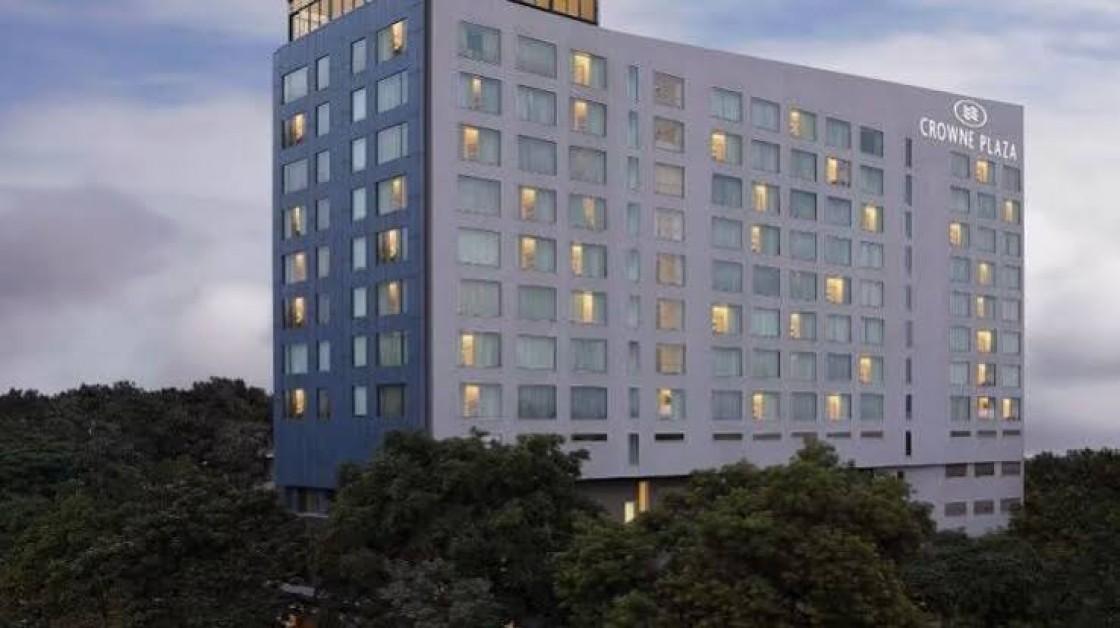
Crowne Plaza Hotel Pune.
The combined value of Shree Naman's approved resolution plans is significantly higher than the approximately:
₹1,227 crore
of net admitted liabilities across the two debtor companies.
That makes the transaction particularly notable within India's insolvency market, where resolutions often involve substantial creditor haircuts.
In this case, the approved consideration is sufficient to provide:
full recovery to admitted creditors
with residual value potentially remaining for shareholders after eligible claims are settled.
NCLT Mumbai Approves ₹1,800 Crore Resolution Plans

The Mumbai bench of the National Company Law Tribunal approved Shree Naman Developers' proposals for both hotel-owning companies on:
September 7, 2026.
The transaction had previously moved through a competitive bidding process under the:
Corporate Insolvency Resolution Process.
Shree Naman emerged as the successful resolution applicant for the two assets after a process that attracted substantial bidder interest.
NCLT approval removes one of the most important legal requirements necessary for implementation of the resolution plans.
Gstaad Hotels Resolution Value Is ₹1,611 Crore
The larger transaction relates to:
Gstaad Hotels.
Shree Naman's approved resolution plan for the company is worth:
₹1,611 crore.
Gstaad Hotels owns the premium:
JW Marriott Hotel Bengaluru.
Its admitted liabilities were approximately:
₹1,202 crore.
The approved resolution amount therefore exceeds the admitted liabilities by more than:
₹400 crore.
This creates an unusual insolvency outcome in which creditor recovery is not dependent on accepting a steep haircut.
Neo Capricorn Plaza Acquired for ₹189 Crore
The second resolution plan relates to:
Neo Capricorn Plaza.
Shree Naman will pay approximately:
₹189 crore
under the approved plan.
Neo Capricorn Plaza owns:
Crowne Plaza Hotel Pune.
Its admitted liabilities were approximately:
₹25 crore.
The resolution value is therefore substantially higher than the debtor company's admitted liabilities.
Taken together, the two plans produce a combined consideration of approximately:
₹1,800 crore.
Combined Liabilities Were Around ₹1,227 Crore
The two companies had combined net admitted liabilities of approximately:
₹1,227 crore.
Against that amount, Shree Naman's combined resolution value is:
₹1,800 crore.
The difference is approximately:
₹573 crore.
That does not automatically mean shareholders receive the entire difference because resolution proceeds must first cover:
verified creditor claims,
costs,
and other obligations
in accordance with the approved plans.
However, the NCLT has clarified that any residual amount left after full settlement of eligible financial and operational creditor claims will:
accrue to shareholders.
Full Creditor Recovery Makes Deal Unusual
One of the defining features of the transaction is:
full creditor recovery.
Many corporate insolvency cases involve lenders agreeing to recover only part of their admitted claims.
This occurs because distressed businesses may be worth considerably less than the debt outstanding.
The Shree Naman hotel resolutions are different.
The underlying assets are premium hotels in valuable metropolitan markets.
Their commercial and redevelopment value appears sufficient to support a resolution consideration above total admitted liabilities.
Shareholder Objections Were Dismissed
The tribunal also dismissed objections raised by:
shareholders of the debtor companies.
The NCLT upheld the approved resolution structure and clarified how residual proceeds should be distributed.
The tribunal's position ensures that creditors are settled first under the resolution framework.
Any surplus remaining after payment of admissible claims can then flow to:
shareholders.
This distinction became important precisely because the bid value exceeds the companies' admitted liabilities.
Hotels Were Part of Deepak B. Raheja Group
Both companies were promoted by the:
Deepak B. Raheja Group.
They are also associated with the wider:
Advantage Raheja Group
hospitality and real-estate portfolio.
The hotel assets had entered insolvency after debt defaults led financial creditors to initiate proceedings.
The resolution process subsequently opened the properties to competitive bids from potential buyers.
Insolvency Proceedings Began in July 2025
Both corporate insolvency proceedings began in:
July 2025.
The process was initiated following petitions by:
Omkara Asset Reconstruction.
Gstaad Hotels entered CIRP following a default of approximately:
₹665.74 crore.
Neo Capricorn Plaza also entered the insolvency framework after defaulting on approximately:
₹120 crore
owed to creditors.
The combined underlying defaults therefore exceeded:
₹785 crore.
Omkara ARC Played Central Creditor Role
Omkara Asset Reconstruction held an important position in the creditor structure.
Asset reconstruction companies typically acquire:
stressed loans
or:
non-performing financial assets
from banks and other lenders.
They then attempt to recover value through:
restructuring,
settlement,
asset sales,
or insolvency proceedings.
In the two hotel cases, Omkara held substantial voting influence within the respective:
committees of creditors.
CIRP Attracted Significant Bidder Interest
The assets attracted considerable interest during the insolvency process.
Around:
45 expressions of interest
were reportedly submitted during the process in October 2025.
The process subsequently generated roughly:
11–12 resolution plans.
That level of competition reflects the strategic appeal of the two underlying hotel properties.
Both operate in major commercial cities with strong:
business travel,
corporate demand,
events,
and premium hospitality markets.
Shree Naman Emerged as Successful Bidder
Shree Naman ultimately emerged as:
the successful resolution applicant.
Before the NCLT's final approval, the group had already provided required performance guarantees.
Reported guarantees were approximately:
₹160 crore
for the Bengaluru asset
and:
₹20 crore
for the Pune transaction.
Performance guarantees are designed to demonstrate that the winning bidder has the financial commitment required to implement its resolution plan.
Acquisition Gives Shree Naman Two Operating Hotels
The deal gives Shree Naman control of two operating premium hotel assets in:
Bengaluru
and:
Pune.
This is strategically different from acquiring undeveloped land.
Operating hotels already contain:
buildings,
rooms,
food-and-beverage infrastructure,
event facilities,
staffing systems,
and established hospitality demand.
The buyer can therefore potentially generate operating cash flow while planning longer-term redevelopment or refurbishment.
JW Marriott Bengaluru Is Core Asset
The largest asset in the transaction is:
JW Marriott Hotel Bengaluru.
The hotel operates under Marriott International's:
JW Marriott
luxury brand.
Its location in Bengaluru gives it exposure to one of India's largest markets for:
corporate travel,
technology companies,
global capability centres,
business events,
and premium leisure demand.
The hotel's value therefore reflects both:
its existing hospitality operations
and:
the underlying real estate.
Bengaluru Remains Major Business-Travel Market
Bengaluru is one of India's most important:
corporate travel destinations.
The city hosts large operations from:
technology companies,
global banks,
engineering companies,
consulting firms,
and multinational corporations.
This supports sustained demand for:
premium hotel rooms,
meetings,
conferences,
and business events.
Luxury hotels in central and established business locations can therefore command significant strategic value.
Crowne Plaza Pune Adds Second Major Market
The second asset is:
Crowne Plaza Hotel Pune.
Crowne Plaza is part of:
IHG Hotels & Resorts.
Pune is another significant Indian business destination with strong activity across:
automotive,
engineering,
technology,
education,
and manufacturing.
The hotel therefore offers exposure to a diversified corporate-demand base.
Pune Hospitality Demand Has Expanded
Pune's economy has developed rapidly around:
IT parks,
industrial corridors,
automotive manufacturing,
GCCs,
and higher education.
This has increased demand for:
business hotels,
extended stays,
corporate events,
and conferences.
Premium branded hotels can benefit when office and industrial activity increases.
The Crowne Plaza asset gives Shree Naman exposure to this long-term demand.
Resolution Plans Keep Hotels as Going Concerns
The approved plans contemplate maintaining the hotel businesses as:
going concerns.
This means the objective is not simply to liquidate the properties.
Instead, Shree Naman intends to preserve operating value while implementing:
redevelopment
and:
refurbishment.
Keeping businesses operational can protect:
employment,
customer relationships,
brand value,
and ongoing cash generation.
Redevelopment Could Create Mixed-Use Assets
Shree Naman's plans reportedly include transforming the properties into:
high-end mixed-use developments.
That could involve combinations of:
luxury hospitality,
residential,
retail,
and commercial uses.
The exact final development programme will depend on:
regulatory approvals,
brand agreements,
planning permissions,
and market conditions.
However, mixed-use redevelopment could unlock additional value from the underlying land.
Real Estate Value Is Central to Transaction
Although the assets are operating hotels, their:
real-estate value
is a major part of the investment thesis.
Hotels located in established metropolitan areas may sit on land whose value increases substantially over time.
A buyer with redevelopment expertise can potentially extract additional value through:
refurbishment,
additional development rights,
or repositioning.
Shree Naman's background in real estate therefore has strategic relevance.
Hospitality Assets Can Be Repositioned
An ageing hotel may require substantial capital to remain competitive.
Renovation can include:
guest rooms,
restaurants,
banqueting facilities,
technology systems,
public areas,
and energy infrastructure.
A comprehensive refurbishment can allow an asset to:
raise room rates,
improve occupancy,
and target higher-value customers.
The redevelopment plan could therefore combine property appreciation with operating improvement.
Mixed-Use Development Can Diversify Revenue
A mixed-use property can generate income from several components.
These may include:
hotel operations,
residences,
retail leases,
office space,
and commercial facilities.
Diversifying revenue can reduce dependence on:
hotel occupancy alone.
However, mixed-use development also increases:
capital requirements
and:
execution complexity.
Brand Agreements Will Remain Important
The hotels currently operate under globally recognised brands:
JW Marriott
and:
Crowne Plaza.
Brand affiliation can materially influence:
occupancy,
room rates,
global reservation access,
and corporate customer demand.
Any major redevelopment must therefore be coordinated with existing:
hotel-management
or:
brand agreements
where applicable.
The long-term brand structure following implementation of the resolution plans will be an important factor to watch.
Shree Naman Intends Full Ownership
Earlier reports on the winning bids indicated Shree Naman intended to retain:
full ownership
of the two companies.
The resolution framework reportedly allowed the successful bidder to hold at least:
51% of equity.
However, Shree Naman's intention was to acquire full ownership.
The NCLT-approved plans therefore significantly deepen the group's direct exposure to the underlying assets.
Deal Expands Shree Naman Hospitality Portfolio
Shree Naman already has experience in:
premium hospitality.
The group owns the:
Sofitel Mumbai BKC
and:
Ibis Mumbai BKC
hotels.
Adding JW Marriott Bengaluru and Crowne Plaza Pune would meaningfully expand its hospitality footprint into two additional:
high-growth commercial cities.
That creates a portfolio across:
Mumbai,
Bengaluru,
and Pune.
Sofitel Mumbai BKC Gives Existing Luxury Experience
The:
Sofitel Mumbai BKC
positions Shree Naman within the luxury hospitality segment.
Mumbai's Bandra Kurla Complex is one of India's most important:
financial
and:
corporate business districts.
Owning an established luxury hotel there provides the group with experience in:
premium hospitality operations,
hotel asset management,
and global branding relationships.
The JW Marriott Bengaluru acquisition builds on that exposure.
Ibis Gives Midscale Exposure
Shree Naman also owns:
Ibis Mumbai BKC.
The Ibis brand operates in the:
midscale
and:
economy-oriented business segment.
That means Shree Naman's hospitality portfolio already spans different customer categories.
Adding premium hotels in Bengaluru and Pune increases:
geographic diversification
while maintaining significant exposure to business travel.
Transaction Builds Distressed-Asset Strategy
The hotel acquisitions are also part of a wider strategy by Shree Naman of acquiring:
distressed real-estate businesses through insolvency proceedings.
The group has previously acquired companies through the:
Insolvency and Bankruptcy Code.
This approach can provide access to valuable assets at negotiated resolution values while simultaneously settling legacy debt.
Shree Naman Previously Acquired Radius Infra Holdings
One earlier transaction involved:
Radius Infra Holdings.
Shree Naman acquired the company through the insolvency process in:
2024.
The deal gave it further experience navigating:
creditor committees,
resolution plans,
NCLT approvals,
and distressed-asset integration.
That expertise can be valuable when pursuing more complex hotel insolvency transactions.
Neptune Developers Was Another Insolvency Acquisition
Shree Naman subsequently acquired:
Neptune Developers
through the insolvency framework.
That transaction expanded the developer's portfolio of distressed real-estate assets.
The Gstaad and Neo Capricorn approvals therefore continue an established pattern rather than representing a one-off acquisition.
IBC Can Unlock Valuable Real Estate
The Insolvency and Bankruptcy Code creates a mechanism for financially distressed companies to transfer to:
new owners.
In real estate and hospitality, the operating company may be distressed even when its physical assets remain:
valuable.
This creates opportunities for buyers with:
capital,
execution capability,
and long investment horizons.
The Shree Naman transaction is a particularly strong example because the assets attracted bids exceeding admitted liabilities.
Asset Value Can Exceed Corporate Debt
Corporate insolvency does not necessarily mean the underlying property lacks value.
A company can become distressed because of:
high leverage,
poor financing structures,
cash-flow timing,
or legacy liabilities.
If the asset itself occupies valuable land and generates operating income, another owner may be willing to pay significantly more than outstanding creditor claims.
That appears to be the economic logic underlying the current resolution.
Deal Illustrates Full-Recovery Possibility Under IBC
The transaction is noteworthy for the broader insolvency ecosystem because it demonstrates that:
IBC resolutions can sometimes generate full creditor recovery.
Public debate around insolvency often focuses on:
haircuts.
But the ultimate recovery level depends on:
asset quality,
competitive bidding,
capital structure,
and market demand.
Premium hotel assets in major cities can attract stronger competition than businesses with obsolete or poorly located assets.
Competition Helped Support Resolution Value
The large number of expressions of interest likely contributed to:
competitive price discovery.
When many credible bidders pursue the same asset, the committee of creditors can potentially secure:
better terms.
This is one of the central principles behind the CIRP process.
Competition can increase recoveries and reduce the likelihood of:
distressed assets being sold too cheaply.
Hospitality Assets Have Become Attractive to Investors
Indian hotel assets have attracted increasing interest from:
developers,
institutional investors,
hotel companies,
and private capital.
Several factors support the sector:
higher domestic travel,
corporate travel recovery,
weddings,
events,
limited premium hotel supply in key locations,
and rising average room rates.
Well-located operating assets can therefore become highly competitive acquisition targets.
Replacement Cost Is Another Consideration
Building a new luxury hotel in a major Indian city can require:
expensive land,
years of approvals,
construction,
fit-outs,
and brand development.
Acquiring an existing hotel can shorten the route to:
operating scale.
Even when refurbishment is necessary, the buyer may gain access to established infrastructure and a functioning asset.
This can make distressed acquisitions attractive relative to greenfield development.
Luxury Hotel Supply Takes Years to Build
New premium hotels usually require long development cycles.
A project can take several years from:
land acquisition
to:
opening.
During that period, construction costs and financing expenses can increase.
Existing hotels can therefore become more valuable during periods when:
demand rises faster than supply.
This dynamic strengthens the economics of acquiring established assets in Bengaluru and Pune.
Deal Could Support Further Hospitality Consolidation
The Shree Naman transaction may encourage other developers and institutional investors to examine:
distressed hospitality assets.
India's fragmented hotel-ownership market contains many properties controlled by:
family businesses,
real-estate groups,
and special-purpose companies.
Some can face financing stress even when the underlying hotel remains viable.
Insolvency processes may therefore create further opportunities for:
consolidation.
Acquisition Also Expands Shree Naman Beyond Mumbai
Shree Naman's existing hospitality presence has been concentrated heavily in:
Mumbai.
The latest transaction gives it operating exposure to:
Bengaluru
and:
Pune.
Geographic diversification can reduce dependence on one city's:
occupancy,
corporate demand,
and property cycle.
It also positions the group across three of India's most important business markets.
Bengaluru and Pune Complement Mumbai
Mumbai is India's principal:
financial
and:
corporate centre.
Bengaluru is one of the world's largest:
technology
and:
innovation hubs.
Pune has strong:
manufacturing,
automotive,
technology,
and education sectors.
A hospitality portfolio spanning all three cities can therefore serve different but complementary:
corporate customer bases.
Redevelopment Execution Will Be Key
NCLT approval does not eliminate execution risk.
Shree Naman will still need to implement:
the resolution plans,
creditor payments,
management transitions,
redevelopment strategy,
and refurbishment.
Any major mixed-use redevelopment may also require:
municipal,
planning,
environmental,
and other regulatory approvals.
Execution will ultimately determine whether the acquisition creates the value implied by the ₹1,800 crore investment.
Additional Capital May Be Required
The:
₹1,800 crore
resolution consideration is not necessarily the final economic investment in the two properties.
Redevelopment and refurbishment could require:
substantial additional capital.
Luxury hotels are expensive to modernise.
Mixed-use development could require even larger investment in:
construction,
design,
infrastructure,
and marketing.
The full project cost will therefore depend on the eventual redevelopment plans.
Existing Operations Can Provide Cash Flow
One advantage is that the properties are:
operating hotels.
Keeping them as going concerns can allow revenue generation during at least part of the transition period.
Hotel cash flows can help offset:
holding costs
and:
some operating expenses.
However, major redevelopment could temporarily reduce room inventory or require partial closures, depending on the construction strategy.
Creditors Benefit From Competitive Resolution
For lenders and other creditors, the NCLT approval provides a route toward:
recovery
without prolonged liquidation.
The approved value above total admitted liabilities significantly improves the outcome compared with many insolvency cases.
It also demonstrates the importance of preserving:
asset value
during the insolvency process.
Operating hotels can deteriorate rapidly if maintenance and service standards decline.
Shareholders Could Receive Residual Value
The possibility of residual distributions to shareholders makes the case particularly unusual.
Under many insolvency resolutions, equity holders receive:
little
or:
nothing
because creditor claims exceed the available value.
Here, the resolution consideration exceeds admitted liabilities.
That creates the possibility of value remaining after eligible claims are satisfied.
The tribunal's clarification provides a framework for distributing that residual.
Transaction Reflects Maturing Distressed-Asset Market
India's distressed-asset ecosystem has become increasingly sophisticated.
Participants now include:
ARCs,
private credit funds,
developers,
strategic buyers,
banks,
and institutional investors.
Buyers evaluate not only the distressed company's operating performance but also:
land value,
redevelopment potential,
regulatory rights,
and future cash flows.
The Shree Naman transaction illustrates this more sophisticated approach to insolvency investing.
Conclusion
The NCLT's approval of Shree Naman Developers' ₹1,800 crore resolution plans for Gstaad Hotels and Neo Capricorn Plaza clears the way for one of India's more unusual hospitality insolvency transactions, combining premium operating hotel assets with a resolution value that exceeds total admitted creditor liabilities.
Under the approved plans, Shree Naman will pay ₹1,611 crore for Gstaad Hotels, owner of the JW Marriott Hotel Bengaluru, and ₹189 crore for Neo Capricorn Plaza, owner of the Crowne Plaza Hotel Pune.
The two companies had combined net admitted liabilities of approximately ₹1,227 crore, meaning the approved resolution consideration is roughly ₹573 crore higher than those liabilities.
The transaction is therefore notable for offering full recovery to admitted creditors, with the NCLT clarifying that any residual value remaining after eligible financial and operational claims are settled will accrue to shareholders.
The assets entered insolvency in July 2025 following petitions linked to defaults exceeding ₹785 crore, and the resolution process attracted substantial bidder interest before Shree Naman emerged as the successful applicant.
Strategically, the deal expands Shree Naman's hospitality presence beyond Mumbai into two major commercial markets while giving the group opportunities to refurbish and potentially redevelop the assets into higher-value mixed-use destinations.
The ₹1,800 crore approval, however, marks the beginning of the next phase rather than the end of the investment story.
Shree Naman must now convert legal control of two distressed hotel-owning companies into operational stability, successful redevelopment and long-term hospitality and real-estate value creation.
 Related News
POST A COMMENT (0)
All Comments (0)
Replies (0)