





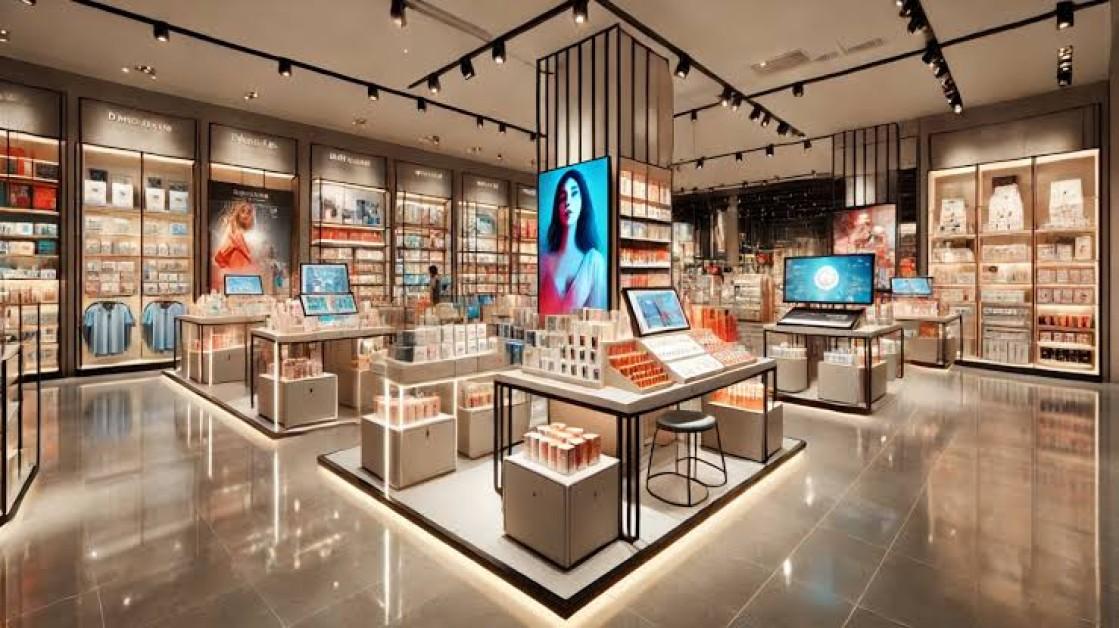
Premium Consumer Brands Shift Focus to Experience-Driven Retail in India
With over 70% of Indian shoppers now favouring immersive, lifestyle-led stores over transactions, premium and luxury brands are reinventing retail as experience — through flagship destinations, curated boutiques, and phygital engagement.
By Naina, 6th July 2026
Premium consumer brands in India are shifting their focus toward experience-driven retail, transforming stores from points of transaction into immersive lifestyle destinations. As affluent and younger consumers increasingly value experiences over mere ownership, brands are investing heavily in experience-led flagship stores, curated boutiques, and interactive formats designed to engage and delight shoppers. Surveys indicate that a large majority of Indian consumers now prefer retail destinations offering experiential, activity-driven spaces over conventional shopping. This shift, driven by rising affluence, a young demographic, and the premiumisation of consumption, is reshaping how premium and luxury brands engage customers, prompting a move away from purely transactional retail toward memorable, participatory brand experiences across the country's fast-growing retail landscape.
The trend reflects a broader evolution in the Indian consumer, who is younger, digitally connected, and globally aware, and who increasingly seeks meaning, connection, and experience rather than just products. For premium brands, delivering superior experiences has become a strategic necessity to differentiate themselves in a crowded market, build loyalty, and justify premium positioning. From immersive flagship stores in luxury malls to revitalised high streets blending shopping with leisure and culture, experiential retail is becoming central to brand strategy. Here is how premium consumer brands are embracing experience-driven retail in India, what is fuelling the shift, and the challenges involved in turning stores into experiences.
The Experiential Shift
Retail in India is being fundamentally reimagined. Increasingly, shopping is anchored not in transactions but in experiences, aesthetics, service excellence, and an elevated value proposition. Surveys show that over 70 percent of Indian consumers, across age groups, now actively prefer retail destinations that offer experiential and activity-driven spaces, favouring immersive, lifestyle-led formats over passive shopping. In response, brands and developers are reimagining retail spaces as lifestyle and entertainment destinations that invite participation and engagement. This experiential shift represents a strategic transformation rather than a passing trend, redefining what shopping means for India's growing middle and upper-middle class, and placing experience at the heart of how premium brands connect with consumers.
The Premiumisation Wave
A powerful premiumisation wave underpins the shift. India's luxury and premium retail segment has seen robust growth, with record leasing of retail space by premium and luxury brands, supported by experience-led flagship stores and premium formats. The market is pivoting decisively from quantity to quality: superior-grade malls, distinguished by sophisticated design, curated brand mixes, and tech-enabled services, now account for the majority of new premium retail supply. This reflects rising affluence and evolving consumer aspirations, as more Indians trade up to premium products and experiences. The premiumisation of malls, high streets, brand portfolios, and customer experience is redefining not just where Indians shop, but how and why they do so, elevating the entire retail proposition.
The New Luxury Consumer
The Indian luxury consumer has fundamentally changed. For years, luxury purchases were driven largely by status and occasion; today, a new generation is redefining luxury around craftsmanship, experience, and personal identity. Younger, globally connected, and digitally savvy, these buyers are investing not just in a product's logo but in its story, heritage, and the experience surrounding it, shifting the focus from ownership to meaning. Luxury is increasingly integrated into everyday lifestyle rather than reserved for milestones. Buyers seek personalised service, immersive environments, and meaningful brand engagement that extends beyond the moment of purchase. This evolution in mindset is compelling luxury brands to deliver experiences and connection, not merely products, reshaping their entire approach to the market.
The Flagship and Boutique Push
Brands are investing in immersive physical spaces. Premium and luxury brands are increasingly moving from conventional multi-brand outlets toward curated mono-brand boutiques and experience-led flagship stores that allow for a more controlled, immersive consumer experience. These spaces are designed to showcase brand heritage, offer personalised service, and create memorable environments that deepen customer engagement. Global brands have been entering or expanding in India with dedicated, experience-focused formats, and major international retailers have announced substantial investments to build immersive stores. This flagship and boutique push reflects a recognition that, in an era of e-commerce, the physical store's value lies increasingly in the experience it offers rather than simply the products it stocks.
The High Street Revival
High streets are being reinvented as destinations. Beyond malls, premium high streets are evolving into vibrant hubs that blend shopping with leisure, food exploration, cultural stimulation, and social connection. Established destinations in major cities have shifted from maximising foot traffic to offering delightful, memorable experiences, and new premium high streets within integrated townships are drawing footfall through curated events, open-air layouts, and premium dining and cultural offerings. Notably, younger consumers have shown a preference for such high streets over standalone formats. This revival signals a shift from retail spaces designed purely for transactions to places where people come to belong, experience, and celebrate, positioning high streets as central to experiential retail.
The Phygital Layer
Technology is enhancing the experience. Premium brands are blending physical and digital, or phygital, engagement, using technologies such as augmented and virtual reality, AI-driven personalisation, and tech-enabled services to enrich the in-store experience. Experiential marketing, focused on immersive, participatory brand interactions rather than one-way communication, has become a strategic necessity, creating emotional connection and cultural relevance. The creator economy amplifies these experiences, as shoppers share memorable, immersive moments on social media, extending their reach and reinforcing brand affinity. This technology layer allows brands to personalise experiences, deepen engagement, and bridge online and offline worlds, making the experience seamless and share-worthy across the customer journey, and central to modern premium retail strategy.
The Demand Drivers
Several forces are fuelling the shift. Rising incomes and a rapidly expanding affluent and aspirational consumer class, with per-capita income projected to climb significantly, are enabling greater spending on premium experiences. A young demographic, spanning millennials, Gen Z, and the emerging Alpha generation, values experiences over utility and ownership, and is highly digitally connected and globally aware. Exposure to global brands and social media has raised expectations for immersive, world-class retail. Crucially, demand is broadening beyond metros, with consumers in smaller cities expecting the same experiences found in luxury capitals abroad. Together, these drivers, affluence, youth, digital savvy, and geographic expansion, are propelling the rise of experience-driven retail across India.
The Challenges
The shift is not without hurdles. Creating and maintaining high-quality experiential retail formats is expensive, requiring significant investment in design, technology, and skilled service staff, and the return on such investment can be difficult to measure. Delivering consistent, memorable experiences across many locations and scaling them is challenging. Brands must also balance experience with convenience, as some consumers, and many everyday purchases, still prioritise speed and value, a demand met by e-commerce and quick commerce. The premiumisation and experiential trend is also concentrated among affluent and urban segments, while much of the mass market remains value-driven. High real estate costs and the need for skilled talent add further complexity to executing experience-led retail profitably.
The Road Ahead
Experience-driven retail is set to define the next phase of India's premium consumer market. As affluence rises, younger consumers dominate, and premiumisation deepens, brands that successfully blend product, experience, service, and technology are likely to lead. The physical store, far from being displaced by e-commerce, is being reinvented as a space for engagement, connection, and brand storytelling. Expanding into smaller cities and integrating digital and physical experiences will be key growth avenues. While challenges around cost, scale, and balancing convenience remain, the direction is clear: for premium brands in India, the future of retail lies in delivering experiences that build lasting relationships with an increasingly discerning and experience-hungry consumer.
Frequently Asked Questions
What is experience-driven retail?
It is a strategy where retail spaces are designed as immersive, lifestyle-led destinations that offer engaging experiences, aesthetics, and service, rather than functioning purely as points of transaction, aiming to build deeper connections with consumers.
Why are premium brands shifting to experiential retail?
Because Indian consumers, especially younger and affluent ones, increasingly value experiences over ownership, with surveys showing over 70 percent preferring experiential retail destinations. Experiences help brands differentiate, build loyalty, and justify premium positioning.
How is the Indian luxury consumer changing?
Today's luxury buyers are younger, globally connected, and digitally savvy, seeking craftsmanship, meaning, and experience rather than just status or logos. Luxury is increasingly part of everyday lifestyle, with buyers valuing personalised service and immersive brand engagement.
How are brands delivering experiences?
Through experience-led flagship stores, curated mono-brand boutiques, revitalised high streets blending shopping with leisure and culture, and phygital engagement using technologies like augmented reality, AI personalisation, and experiential marketing amplified on social media.
What are the main challenges?
High costs of creating and maintaining experiential formats, difficulty measuring returns, scaling consistent experiences, balancing experience with convenience, concentration among affluent urban segments, and the need for prime real estate and skilled service talent.
 Related News
POST A COMMENT (0)
All Comments (0)
Replies (0)