





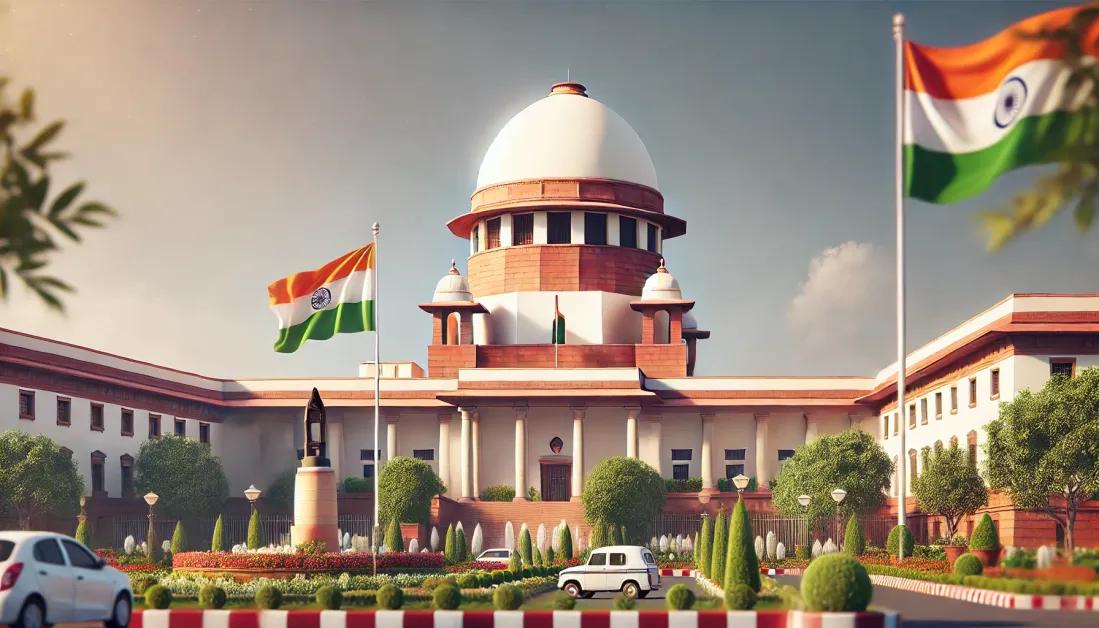
New Delhi, April 2025 — In a decision being hailed as one of the most important constitutional verdicts of the decade, the Supreme Court of India has ruled in favor of expanding digital rights, redefining the contours of internet freedom, online expression, and government surveillance. The 5-judge bench delivered a unanimous verdict that will reshape how Indian citizens engage with the digital world.
The Case That Changed Everything
The judgment stemmed from a petition filed in 2023 by a coalition of digital rights activists, journalists, and students who challenged a series of vague, sweeping online censorship actions under the Information Technology (Intermediary Guidelines and Digital Media Ethics Code) Rules, 2021. These rules were accused of enabling arbitrary takedown of social media content, suppressing dissent, and invading personal privacy without due process.
The petitioners argued that the rules violated Article 19(1)(a) (freedom of speech) and Article 21 (right to privacy) of the Indian Constitution. Today, the Supreme Court agreed.
Key Takeaways from the Verdict
-
Striking Down Overreach: The court invalidated portions of the IT Rules that allowed the government to demand takedowns without judicial review. Going forward, any takedown request must now pass through a legally sanctioned, transparent process.
-
End of Blanket Bans: The judgment restricts the government from imposing internet shutdowns unless there is clear and imminent danger, subject to time limits and oversight.
-
Protection for Intermediaries: Social media platforms cannot be held criminally liable for third-party content unless they refuse to take action after a court order.
-
Privacy Strengthened: The court emphasized the "Right to Encryption" as part of personal privacy, making it harder for authorities to demand backdoor access without court approval.
-
New Regulatory Body: The judgment recommends forming an Independent Digital Rights Commission (IDRC) to ensure fair enforcement of online laws and protect user rights.
Wider Implications
Legal experts are calling it a “digital revolution through constitutional clarity.” For India's 850 million internet users, the verdict is a beacon of accountability in an age where online spaces were increasingly controlled by opaque regulations.
“This is a landmark moment,” said advocate Rashi Grover, who represented the petitioners. “The court has not only safeguarded our current digital rights but also set a global precedent in balancing national interest with civil liberties.”
Government’s Response
While the ruling party welcomed the verdict as “a healthy balance between regulation and freedom,” insiders suggest the government may seek to draft a new Digital Freedom and Accountability Bill that complies with the ruling while restoring some regulatory powers.
Public Reaction
The response has been electric. #FreedomWins and #DigitalIndiaVerdict are trending across platforms. Student unions, tech workers, and journalists have hailed the decision as a victory for democracy in the digital era.
The Global Angle
Tech companies from Silicon Valley to Singapore are watching closely. India's verdict may serve as a global model for internet governance, especially for democracies grappling with the dilemma of “free speech vs. harmful content.”
 Related News
POST A COMMENT (0)
All Comments (0)
Replies (0)