





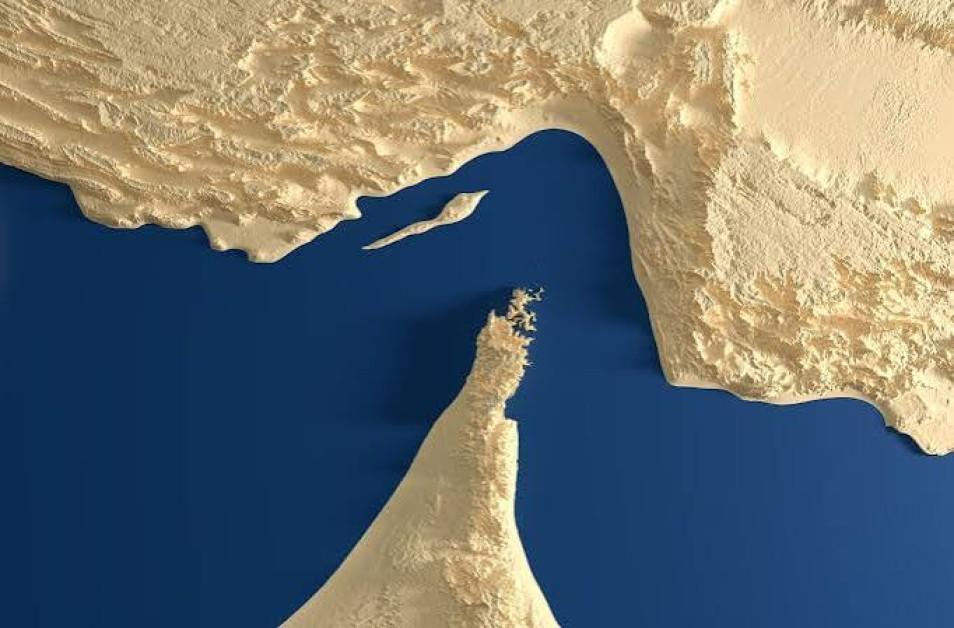
Saudi Aramco Resumes Oil Loadings From Inside Strait of Hormuz as Tanker Operations Recover
Saudi Aramco has resumed crude-oil loadings from terminals inside the Strait of Hormuz, marking another important step in restoring Saudi export operations after renewed tanker attacks and regional tensions disrupted shipping through one of the world's most important energy corridors.
Shipping data and trade sources showed that three very large crude carriers loaded Saudi oil from the Juaymah and Ras Tanura terminals between August 12 and August 16, with each capable of carrying around 2 million barrels. Additional tankers are waiting to load, while Aramco has also offered Arab Medium and Arab Heavy crude to Asian refiners through ship-to-ship transfers off Fujairah in the United Arab Emirates. (Reuters)
The development provides some relief to global oil buyers, but it does not represent a complete return to normal. Vessel traffic through Hormuz remains far below historical levels, shipping risks remain elevated and disruptions elsewhere in the region continue to constrain Saudi export flexibility. (Reuters)
Aramco Restarts Gulf Loadings After Latest Disruption

Saudi Arabia's Gulf export infrastructure is essential to the kingdom's role as the world's largest crude exporter.
Three VLCCs Loaded Around Six Million Barrels
Between August 12 and August 16, three VLCCs loaded crude from Aramco's Juaymah and Ras Tanura facilities.
A standard VLCC can carry approximately 2 million barrels.
That means the three vessels collectively represent roughly 6 million barrels of potential Saudi crude shipments.
Additional VLCCs, including vessels associated with Saudi shipping company Bahri, were waiting to load later in August. (Reuters)
The tanker movements indicate that Aramco is willing to increase use of its Gulf terminals despite persistent security concerns.
Ras Tanura Remains Critical to Saudi Oil Exports
Ras Tanura is one of the most strategically important energy facilities in the world.
Terminal Connects Saudi Production With Global Buyers
Located on Saudi Arabia's Gulf coast, Ras Tanura has historically handled enormous volumes of crude destined for Asia and other international markets.
The complex includes extensive storage, refining and offshore loading infrastructure.
Before the regional conflict severely disrupted operations, Ras Tanura handled much of Saudi Arabia's seaborne crude exports.
Restoring reliable loadings there therefore provides Aramco with significantly more flexibility than relying predominantly on alternative routes.
Hormuz Is Essential to Global Energy Trade
The importance of the restart extends far beyond Saudi Arabia.
Around One-Fifth of Global Oil and LNG Previously Passed Through Hormuz
Before the latest conflict disrupted maritime traffic, the Strait of Hormuz handled roughly one-fifth of global crude oil and liquefied natural gas shipments. (Reuters)
The waterway connects Gulf producers with the Arabian Sea and global shipping routes.
Major exporters dependent on the corridor include Saudi Arabia, Iraq, Kuwait, Qatar and the United Arab Emirates, although some possess infrastructure capable of bypassing the strait.
Any sustained disruption can therefore affect international oil prices quickly.
Tanker Traffic Remains Far Below Normal
Aramco's renewed loadings should not be interpreted as full normalisation.
Only Six Commodity Vessels Crossed on Tuesday
Kpler tracking data showed just six commodity vessels transited the Strait of Hormuz on August 18.
That was down from nine on the previous day and below the recent average of approximately 11 daily movements. (Reuters)
The figures illustrate how cautious commercial shipowners remain.
Before the conflict, the broader waterway handled far larger numbers of vessels every day.
Many tanker operators continue evaluating security conditions before committing ships to the region.
Recent Tanker Attacks Have Increased Risk
Shipping companies need to consider more than the value of the oil cargo.
Tankers Represent Extremely Expensive Assets
A VLCC carrying 2 million barrels of crude represents hundreds of millions of dollars in combined vessel and cargo value depending on prevailing prices.
An attack can therefore create enormous financial losses.
Crew safety is an even greater concern.
Shipowners also face higher insurance costs when operating in conflict zones.
These factors can make a technically open shipping route commercially unattractive.
Aramco Offers Heavy Crude Through Fujairah
Saudi Aramco is also using alternative commercial arrangements to reach Asian buyers.
Ship-to-Ship Transfers Provide Additional Flexibility
Aramco offered Asian refiners Arab Medium and Arab Heavy crude for August loading through ship-to-ship transfers off Fujairah.
Fujairah sits outside the Strait of Hormuz on the UAE's eastern coast.
The arrangement can allow buyers to receive cargoes without sending their own tankers deep into the Gulf.
This matters when shipowners are reluctant to expose vessels to the highest-risk sections of the route. (Reuters)
Heavy Crude Supplies Have Tightened
Aramco's offer is commercially significant because some refiners specifically require medium and heavy crude grades.
Refineries Cannot Substitute Every Barrel Easily
Crude oil varies substantially.
Different grades contain different levels of sulphur and have different densities.
Refineries are designed around particular crude characteristics.
A complex refinery configured to process heavier sour crude cannot always substitute lighter oil without affecting economics and product yields.
Disruptions to Saudi Arab Medium and Arab Heavy therefore matter to buyers even when other crude remains available globally.
Asian Refiners Are Central to Saudi Strategy
Asia is the largest destination for Saudi crude.
China, India, Japan and South Korea Are Major Buyers
Large Asian economies operate extensive refining industries and depend significantly on imported crude.
Saudi Arabia has longstanding supply relationships throughout the region.
Maintaining these relationships during periods of shipping disruption is strategically important.
If buyers repeatedly struggle to receive Saudi cargoes, they may increase purchases from alternative suppliers.
That creates commercial pressure on Aramco to restore reliable exports even while security conditions remain difficult.
India Has Direct Exposure to Hormuz Disruptions
The recovery is particularly relevant for India because the country imports most of the crude oil it consumes.
Gulf Supplies Remain Important for Indian Refineries
Indian refiners purchase crude from several Middle Eastern producers.
Shipping disruption can affect freight rates, delivery schedules and crude differentials even when India's individual cargoes continue moving.
Higher global benchmark prices also feed into India's import bill.
A sustained restoration of Gulf exports would therefore help reduce some of the supply-risk premium affecting international energy markets.
Oil Prices Remain Elevated
The return of Saudi loadings has not removed geopolitical pressure from crude markets.
Brent Reaches Three-Week High
On August 19, Brent crude rose to around $91.56 per barrel, while West Texas Intermediate climbed to approximately $85.53.
Both benchmarks reached their highest levels since late July. (Reuters)
The price action shows that traders remain concerned about supply.
Saudi shipments provide some reassurance.
But the market is pricing the possibility that further attacks or political escalation could disrupt exports again.
Hormuz Risk Creates Global Oil Premium
Oil prices reflect more than current physical supply.
They also incorporate expectations about future availability.
Traders Price Potential Disruption
If markets believe Hormuz could close or become too dangerous for commercial shipping, buyers may bid more aggressively for immediately available crude.
Refiners may increase inventories.
Shipowners can demand higher freight rates.
Insurance premiums can rise.
All of these factors can increase the delivered cost of oil even before actual supply shortages become severe.
Restoring consistent tanker traffic is therefore important for reducing the geopolitical risk premium.
Saudi Arabia Has Built Alternative Export Infrastructure
Saudi Arabia is better positioned than several Gulf producers to bypass Hormuz.
East-West Pipeline Provides Strategic Flexibility
Aramco's East-West Pipeline transports crude across Saudi Arabia from eastern producing regions toward the Red Sea.
This allows some oil to avoid Hormuz entirely.
Aramco highlighted continued utilisation of the East-West Pipeline when reporting its second-quarter and first-half 2026 results. (Aramco)
The infrastructure has become strategically important during the current regional disruption.
Without it, Saudi Arabia would be substantially more dependent on Gulf tanker routes.
Red Sea Route Faces Its Own Problems
The alternative route is not free from geopolitical risk.
Houthi Blockade Restricts Yanbu Exports
Saudi oil shipments through the Red Sea have faced disruption following Houthi actions affecting maritime traffic.
Saudi shipments through the Bab el-Mandeb route have not returned to normal, limiting the usefulness of the kingdom's western export infrastructure. (Reuters)
This creates an unusual strategic problem.
Hormuz presents risk in the east.
Red Sea shipping presents risk in the west.
Saudi Arabia therefore needs to manage two critical maritime corridors simultaneously.
Aramco Uses Egypt as Another Export Option
Saudi Arabia has also moved crude through Egypt's Sidi Kerir terminal.
SUMED Route Provides Additional Diversification
Crude can travel toward Egypt through the Red Sea and then move through pipeline infrastructure to the Mediterranean.
This gives buyers another route that can avoid some maritime chokepoints.
However, alternative logistics increase complexity and cost.
Reuters reported that only about 670,000 barrels per day were expected to load from Sidi Kerir during August, substantially below volumes previously handled through Yanbu. (Reuters)
Alternative infrastructure therefore helps, but it cannot immediately replace normal Saudi export capacity.
Longer Routes Increase Freight Costs
Shipping economics become significantly more important during geopolitical disruption.
Distance Matters to Oil Buyers
A tanker costs money every day it remains at sea.
Longer routes require:
more fuel,
more crew time,
higher charter costs,
and additional insurance.
Japan's Idemitsu has begun sourcing Saudi crude through longer routes involving the Suez Canal and Cape of Good Hope as regional disruption affects conventional shipping patterns.
Some voyages can take 50 to 60 days compared with roughly 20 days under more normal routing. (Reuters)
Those additional costs eventually influence refinery economics.
Chinese Buyers Remain Important Variable
China is one of the world's largest crude importers and an essential customer for Middle Eastern producers.
Shipping Companies Remain Cautious
Two major Chinese shipping companies that previously transported a substantial share of China's Middle Eastern crude imports have stopped operating through Hormuz and Bab el-Mandeb since late July. (Reuters)
That affects the practical ability of Chinese refiners to collect cargoes even when producers are ready to sell.
Aramco therefore needs both physical crude availability and willing tanker operators.
This distinction is important.
An oil terminal can operate while export volumes remain constrained because buyers cannot secure ships.
Saudi September Allocations Reflect Uncertainty
Aramco has also been managing crude allocations to some Asian customers on a more flexible basis.
Normal Monthly Supply Planning Has Been Disrupted
Saudi Aramco has handled September allocations for some Asian customers on an ad hoc basis because of transportation uncertainty.
Some buyers have faced unclear allocations while at least one Indian refiner received its full volume. (Reuters)
The unusual process demonstrates how shipping disruption affects commercial operations far beyond the tanker route itself.
Refiners need certainty weeks in advance to plan crude purchases and refinery operations.
Unpredictable delivery schedules make that planning more difficult.
Global Inventories Remain a Concern
The current crisis has already removed substantial quantities of crude from normal trade flows.
Rebuilding Stocks Could Take Time
Aramco Chief Executive Amin Nasser has warned that global inventories have fallen significantly during the conflict and could require an extended period to rebuild even after normal shipping resumes. (Reuters)
That means reopening shipping routes does not instantly restore the market to its previous condition.
Inventories need replenishment.
Refiners need cargo schedules normalised.
Tankers need to return.
Insurance conditions need to stabilise.
The recovery is therefore a process rather than a single event.
Gulf Exports Remain Below Pre-War Levels
July crude and condensate exports from major Gulf producers averaged around 10.7 million barrels per day.
That remained approximately 40% below pre-war levels. (Reuters)
Saudi Loadings Can Help Close Supply Gap
Every additional VLCC leaving Saudi Gulf terminals brings roughly 2 million barrels back into international trade.
A sustained sequence of departures can therefore materially improve supply.
But three successful loadings are not enough to restore normality.
Markets need evidence that dozens of vessels can move safely and predictably over an extended period.
Tanker Insurance Will Influence Recovery
Commercial shipping cannot normalise solely because governments declare a waterway open.
Insurers Must Accept Risk
Marine insurers assess the probability of:
missile attacks,
drone strikes,
mines,
seizures,
and other conflict-related incidents.
When risk increases, war-risk premiums rise.
Some insurers may restrict coverage entirely.
Shipowners then need to decide whether freight rates compensate for the additional exposure.
A durable recovery in Hormuz traffic therefore depends on improvements in both physical security and commercial insurance conditions.
Tanker Rates Could Remain Elevated
Reduced vessel availability can increase transportation prices.
Owners Can Demand Premiums for High-Risk Voyages
When fewer tanker companies are willing to enter the Gulf, the vessels that remain available gain pricing power.
Refiners may need to pay higher charter rates.
Those costs increase the delivered price of crude.
Higher freight costs can also alter trade patterns.
A refinery may choose a more expensive crude grade from a safer region if transportation economics make the overall delivered cost competitive.
Energy Security Returns to Corporate Agenda
The Hormuz disruption demonstrates why governments and companies maintain strategic oil reserves and diversified suppliers.
Lowest Price Is Not the Only Consideration
Under normal conditions, refiners focus heavily on crude quality and price.
During geopolitical crises, reliability becomes equally important.
A slightly more expensive supplier may become attractive if the shipping route is more secure.
This can benefit producers in:
the United States,
Brazil,
West Africa,
Guyana,
and other regions outside major Middle Eastern chokepoints.
The crisis could therefore influence longer-term procurement strategies even after Gulf shipping stabilises.
Asian Refiners May Diversify Supply
Saudi Arabia remains extremely competitive because of its production scale and proximity to Asia.
But repeated disruptions encourage buyers to examine alternatives.
Diversification Reduces Concentration Risk
A refinery relying excessively on one region becomes vulnerable when that region faces conflict.
Buying crude from multiple regions can improve resilience.
The disadvantage is cost.
Middle Eastern crude often enjoys lower transportation costs for Asian buyers than barrels originating across the Atlantic.
Diversification therefore involves balancing energy security against economics.
Aramco Has Strong Incentive to Restore Normal Exports
Saudi Arabia's government depends heavily on oil revenue.
Aramco also needs reliable exports to support its enormous financial commitments.
Company Generated $33.4 Billion Adjusted Q2 Profit
Aramco reported adjusted net income of $33.4 billion for the second quarter of 2026 and $67.2 billion for the first half.
The company also declared a $21.9 billion base dividend for the second quarter. (Aramco)
Maintaining crude sales is therefore critical for both corporate cash flow and Saudi public finances.
Export disruption can influence revenue even when production capacity remains available.
Oil that cannot reach customers cannot generate normal commercial returns.
Restoration Could Ease Pressure on Global Inflation
Oil is embedded throughout the global economy.
Higher Crude Prices Affect Multiple Industries
Expensive oil can increase:
petrol and diesel costs,
aviation fuel prices,
shipping expenses,
petrochemical feedstock costs,
and manufacturing logistics.
These effects can eventually influence consumer inflation.
A sustained recovery in Gulf exports could therefore have implications beyond energy markets.
It could reduce one source of inflationary pressure for oil-importing economies.
Recovery Remains Fragile
The latest tanker movements demonstrate operational progress, but current shipping data remains inconsistent with normal conditions.
Only a small number of vessels are moving through Hormuz compared with historical traffic, while geopolitical tensions continue to create uncertainty. (Reuters)
The situation could improve rapidly if security stabilises.
It could also deteriorate quickly following another attack.
Energy markets are therefore likely to remain highly sensitive to tanker movements.
Conclusion
Saudi Aramco's resumption of crude loadings from inside the Strait of Hormuz marks an important step toward restoring Gulf oil exports after renewed security disruptions restricted tanker operations.
Three VLCCs loaded approximately 6 million barrels from the Juaymah and Ras Tanura terminals between August 12 and 16, while additional tankers are waiting and Aramco is offering heavy crude through ship-to-ship transfers off Fujairah. (Reuters)
However, the recovery remains incomplete. Hormuz traffic is still thin, Red Sea routes remain disrupted and oil prices continue carrying a substantial geopolitical premium.
For global markets, the critical question is no longer whether individual Saudi tankers can load successfully. It is whether Gulf shipping can return to sustained, predictable and commercially insurable operations at something approaching pre-conflict volumes.
Until that happens, the Strait of Hormuz will remain one of the most important risks facing global energy markets.
 Saudi Aramco Resumes Oil Loadings as Hormuz Tanker Operations Recover FAQs
POST A COMMENT (0)
All Comments (0)
Replies (0)