





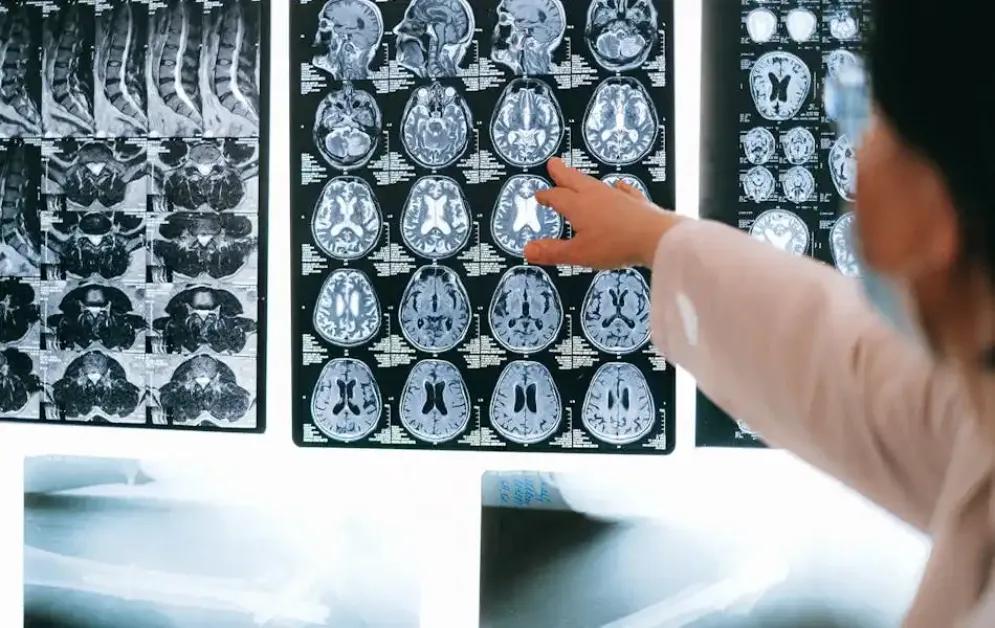
UCLA SCIENTISTS DEVELOP DRUG TO FULLY RESTORE MOVEMENT AFTER STROKE
In a historic medical breakthrough, scientists at UCLA have developed a drug that could fully restore movement in patients who have suffered from a stroke, revolutionizing how the world approaches neurological rehabilitation.
The drug, known as NVG-291-R, works by stimulating nerve repair and regenerating damaged brain tissue. In animal trials, it not only helped subjects regain lost motor skills but did so faster and more completely than any treatment previously tested. The research, recently published in a leading medical journal, has stunned the global medical community with its implications.
Strokes are one of the leading causes of long-term disability worldwide, often leaving patients with limited mobility and reduced quality of life. Current treatment options focus largely on physical therapy and managing symptoms—but the UCLA team’s new drug could transform stroke recovery from management to restoration.
The treatment works by reactivating dormant pathways in the brain—essentially helping the brain "rewire" itself to bypass damaged areas. Researchers observed improvements in movement even when the drug was administered weeks after the stroke, suggesting a broader window for effective treatment than previously believed.
Dr. George Lahiri, one of the lead researchers, stated:
“We’ve always hoped science would one day help stroke survivors walk again. Now, we’re closer than ever to making that hope a reality.”
Human clinical trials are expected to begin within the next year. If successful, this could mark a new era in neuro-rehabilitation, offering millions of stroke survivors around the world a second chance at life and mobility.
 Related News
POST A COMMENT (0)
All Comments (0)
Replies (0)