





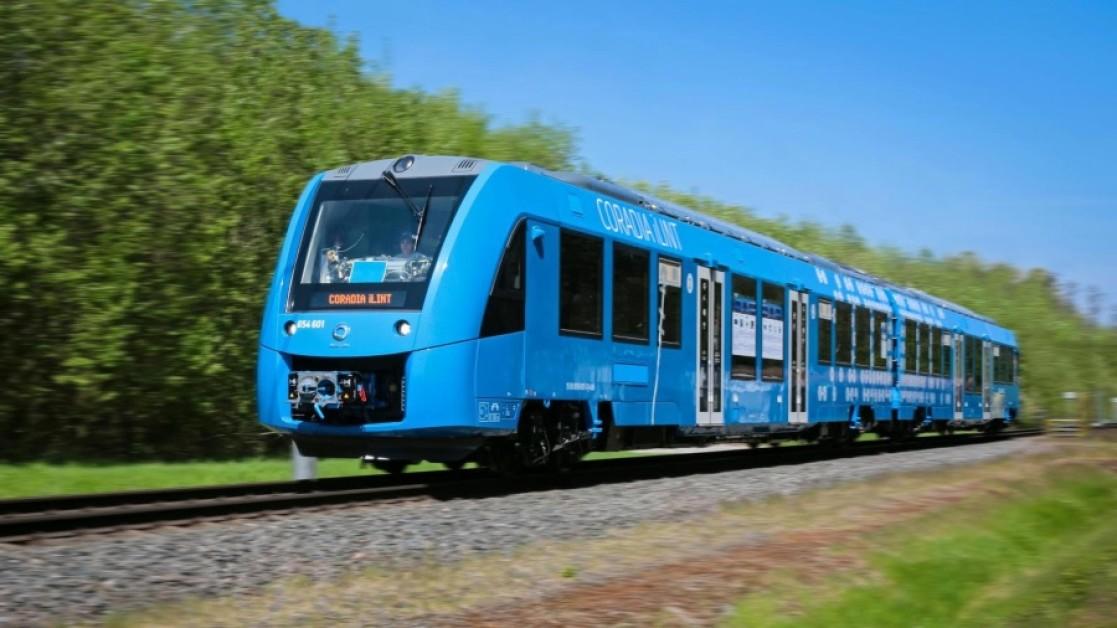
India has taken a bold stride in sustainable transport with the announcement of its first full-scale hydrogen-powered train. Designed to run on hydrogen fuel cells, the train operates by combining hydrogen and oxygen to generate electricity, with water vapour as the only emission. The promise is compelling: a near zero-emissions alternative to diesel locomotives, cleaner air, reduced dependence on fossil fuel imports, and a stronger push toward meeting climate goals.
The train's power output is projected to be around 1,200 horsepower, significantly higher than many comparable hydrogen trains in other countries. Its design includes retrofitting Diesel-Electric Multiple Unit (DEMU) rakes with hydrogen fuel cells, complemented by hydrogen storage and fuelling infrastructure. The train is slated to begin trials on manageable routes with existing tracks, possibly in non-electrified or lightly used corridors, with the model expected to scale over time.
Promises
-
Environmental benefits are substantial: with no direct CO₂ emissions and only water vapour output, the train supports India’s goals of reducing greenhouse gas emissions and improving air quality.
-
Operational flexibility: hydrogen trains can work in non-electrified regions, remote or hilly terrains, and heritage or tourist routes where installing overhead electrification is challenging or costly.
-
Strategic synergy with green hydrogen mission: This project helps drive demand for green hydrogen, spurs domestic innovation in fuel cell technology, hydrogen storage, safety systems, and related industries, thereby contributing to job creation and technology development.
-
Energy diversification: reducing reliance on diesel imports, insulating against fluctuations in fossil fuel prices, and enhancing energy security.
Challenges
-
Hydrogen supply and production: Green hydrogen requires renewable energy (solar, wind, etc.), electrolyzers, and large scales of production to be cost-effective. Currently many hydrogen supplies are grey hydrogen (carbon intensive), which undercuts environmental goals.
-
Infrastructure: Establishing hydrogen storage facilities, refuelling stations along routes, storage cylinders or tanks capable of high pressure, leak detection systems, safety norms, and maintenance capacity are non-trivial to build and regulate.
-
Cost: Upfront costs are high — for converting or building hydrogen fuel-cell locomotives, for installing storage & refuelling infrastructure, and for associated safety systems. Operating costs may also be higher in early phases compared with diesel or electric traction until economies of scale are achieved.
-
Safety and standardisation: Hydrogen is highly flammable; safety protocols, materials handling, leak detection, pressure or temperature fluctuations, cylinder or tank design, and certification are all critical. Regulatory and oversight bodies must ensure robust standard frameworks.
-
Technology maturity: Fuel cell systems, power modules, integration with train controls and drives, durability, lifecycle maintenance, adaptation to Indian climatic extremes (heat, humidity, dust) need thorough testing. Long-term reliability under load, and performance in varied terrain, are yet to be proven.
-
Return on investment and economics: Justifying the investment requires tracking not just environmental benefits but operational efficiency, cost savings over time, ridership, route utilization. Also, competing priorities (electrification, other green technologies) may draw funding.
-
Grid and renewable energy backing: If electricity used to produce the hydrogen comes from coal or fossil-based sources, net emissions may be less favourable. Ensuring that hydrogen is truly “green” is crucial.
Way Forward
To make the hydrogen train launch successful, the following steps are important:
-
Pilot operation on short, controlled routes to validate design, safety, performance, and economics.
-
Establishing green hydrogen production hubs and renewable energy supply agreements.
-
Developing hydrogen refuelling infrastructure early, with safety standards, disaster response plans, and trained personnel.
-
Encouraging domestic manufacturing of fuel cell stacks, tanks, and other components to reduce cost and dependence on imports.
-
Policy, regulation, subsidies or incentives to bridge the cost gap until the technology scales.
-
Alignment with broader climate goals (such as India’s National Green Hydrogen Mission), electrification efforts, and sustainable mobility plans.
-
Transparent monitoring of emissions, cost versus benefit, and public communication to build trust.
Overall, the launch of India’s first hydrogen train (if/when it happens in Varanasi or elsewhere) could be transformative for clean mobility. The promise is real—but meeting the technological, financial, and logistical challenges will determine whether this becomes a milestone or just another pilot.
 Related News
POST A COMMENT (0)
All Comments (0)
Replies (0)