





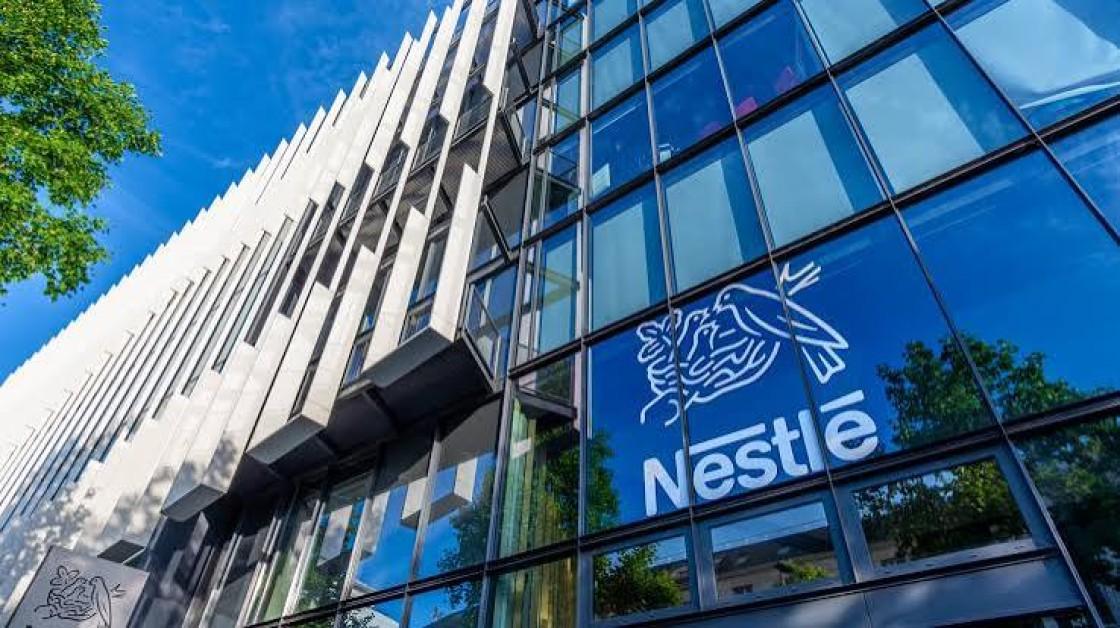
Nestlé Agrees to Sell Mainstream Vitamins and Supplements Business to Yellow Wood Partners for $1 Billion
Global food and nutrition company Nestlé has agreed to sell its mainstream vitamins, minerals and supplements business to private equity firm Yellow Wood Partners for $1 billion, advancing a broader portfolio transformation designed to concentrate resources on businesses where the company sees stronger competitive advantages.
The transaction covers Nestlé's Holistic Health portfolio, including seven established consumer brands and its associated U.S. private-label supplements operation.
The brands being transferred are:
Nature's Bounty,
Osteo Bi-Flex,
Ester-C,
Gard,
Nuun,
Puritan's Pride,
and Sisu.
The transaction also includes dedicated manufacturing, packaging, warehousing and distribution operations supporting the portfolio.
The business generated approximately $1.2 billion in sales during 2025, highlighting the scale of the assets being transferred.
Subject to applicable regulatory approvals, the transaction is expected to close in the first half of 2027.
Nestlé Values Mainstream Supplements Divestment at $1 Billion

The agreed transaction values the Holistic Health business at $1 billion, equivalent to approximately CHF 0.8 billion.
Rather than exiting vitamins and supplements completely, Nestlé is dividing its strategy between mainstream and premium products.
The company will sell the mainstream portfolio while continuing to invest in higher-end, science-led vitamins, minerals and supplements.
That distinction is important because the transaction represents a portfolio repositioning rather than a full withdrawal from the category.
Nestlé plans to retain premium brands including Solgar and Pure Encapsulations, which management sees as better aligned with the company's innovation and science-led nutrition capabilities.
Seven Established Consumer Health Brands Included
Yellow Wood Partners will acquire a portfolio containing several well-established names in the global supplements market.
Nature's Bounty
Nature's Bounty is the largest and most recognisable brand included in the transaction.
The company sells vitamins and nutritional supplements across multiple health and wellness categories and has developed substantial retail distribution in the United States.
Yellow Wood describes Nature's Bounty as the second-largest overall vitamins, minerals and supplements brand in the U.S. market.
Osteo Bi-Flex
Osteo Bi-Flex specialises primarily in supplements associated with joint health and mobility.
Ester-C
Ester-C is positioned around vitamin C supplementation and immune-health applications.
Nuun
Nuun operates in the hydration category, selling electrolyte and hydration products targeted at active consumers.
Puritan's Pride
Puritan's Pride offers a broad portfolio of vitamins, minerals, herbs and nutritional supplements.
Sisu
Sisu is an established nutritional supplement brand with a presence particularly in Canada.
Gard
Gard adds another specialised health and wellness brand to the portfolio being acquired.
Together, the brands give Yellow Wood exposure to several consumer-health categories including hydration, immunity, women's health and joint health.
U.S. Private-Label Supplements Business Is Also Included
The acquisition extends beyond branded consumer products.
Yellow Wood will also acquire Nestlé's associated U.S. private-label supplements business.
Dedicated operational infrastructure supporting the portfolio is included as well.
This encompasses:
manufacturing,
packaging,
warehousing,
and distribution operations.
The inclusion of these assets should allow the acquired business to operate with substantial standalone capabilities after separation from Nestlé.
Business Generated $1.2 Billion in 2025 Sales
Nestlé disclosed that the businesses included in the transaction generated approximately $1.2 billion in sales during 2025.
The portfolio operates predominantly in the United States but also has a presence across numerous international markets, including Canada and China.
The scale demonstrates that Nestlé is not merely disposing of a collection of small or inactive brands.
Instead, it is transferring a sizeable consumer-health platform as part of a deliberate strategic shift.
For Yellow Wood, the transaction provides immediate scale in the global vitamins and supplements industry.
Nestlé Sharpens Focus on Premium Science-Led Nutrition
The strategic rationale behind the transaction centres on portfolio focus.
Nestlé CEO Philipp Navratil said the divestment represents another important step in the transformation of the company's portfolio.
Management intends to allocate resources toward areas where Nestlé believes it possesses stronger competitive advantages.
Within vitamins and supplements, that means greater emphasis on premium, science-led products.
Nestlé believes its capabilities in:
research,
innovation,
nutrition science,
brand development,
and premium positioning
can create stronger differentiation in this part of the market.
The company therefore intends to continue developing brands such as Solgar and Pure Encapsulations.
Nestlé Is Not Leaving the Supplements Market
The $1 billion sale could initially appear to signal a retreat from consumer health.
The strategy is more selective.
Nestlé will remain active in vitamins, minerals and supplements but will concentrate on parts of the category where it sees stronger potential for premiumisation and science-based differentiation.
The mainstream brands being sold often compete across highly developed retail categories where pricing, distribution, marketing and shelf positioning can be particularly important.
Nestlé believes those businesses may benefit from operating under dedicated ownership.
Its retained portfolio will instead focus more heavily on specialised and premium nutrition.
Deal Follows Nestlé's $5.75 Billion Bountiful Company Acquisition
The transaction is particularly notable because several brands being sold entered Nestlé through a much larger acquisition only a few years earlier.
In 2021, Nestlé agreed to acquire core brands of The Bountiful Company for $5.75 billion.
That transaction included major supplement businesses such as Nature's Bounty, Osteo Bi-Flex, Solgar and Puritan's Pride.
At the time, Nestlé was expanding aggressively in nutrition and consumer health.
The latest divestment demonstrates how corporate portfolio priorities can evolve even after major acquisitions.
Nestlé is retaining selected premium assets from that earlier transaction while transferring much of the mainstream portfolio to Yellow Wood.
Yellow Wood Partners Sees Growth Opportunity in Supplements
For Yellow Wood Partners, the acquisition represents a major expansion of its consumer-brand portfolio.
The Boston-based private equity firm specialises in consumer companies and has experience acquiring brands or divisions carved out from large multinational corporations.
Yellow Wood believes the Holistic Health portfolio has opportunities for continued growth because of its established brands, retailer relationships and exposure to attractive wellness categories.
The firm has identified areas including:
hydration,
gut health,
immunity,
and other benefit-specific supplements
as potential sources of future growth.
Yellow Wood intends to operate Holistic Health as a standalone business.
Nature's Bounty Provides Significant Consumer Reach
Nature's Bounty is likely to become a particularly important asset within Yellow Wood's expanded portfolio.
The brand has operated for more than five decades and maintains extensive distribution across the U.S. consumer-health market.
Yellow Wood says Nature's Bounty products are consumed in more than 20% of U.S. households.
That existing household penetration gives the private equity firm a substantial platform from which to introduce new products, strengthen category positioning and potentially expand distribution.
Instead of building a supplements business from the ground up, Yellow Wood is acquiring an established ecosystem of brands, manufacturing capabilities and retailer relationships.
Yellow Wood Builds Portfolio Through Corporate Carveouts
The Nestlé transaction continues Yellow Wood's strategy of acquiring established consumer businesses from large multinational companies.
The deal represents the firm's sixth significant carveout acquisition from five major global consumer companies.
Previous transactions have involved businesses associated with companies including:
Bayer,
Reckitt,
Unilever,
and Haleon.
Its portfolio has included recognised consumer brands such as:
ChapStick,
Suave,
Q-tips,
Caress,
Pond's,
and Dr. Scholl's.
This experience with corporate carveouts could prove important when separating the Holistic Health platform from Nestlé's global infrastructure.
Standalone Ownership Could Change Investment Priorities
Large multinational companies manage portfolios containing dozens or hundreds of brands.
Capital allocation decisions therefore involve competition between different divisions and categories.
Under dedicated ownership, the supplements portfolio could receive a more concentrated investment strategy.
Yellow Wood has indicated that operating Holistic Health independently should allow it to focus on:
brand investment,
product innovation,
consumer positioning,
retailer relationships,
and category-specific growth opportunities.
The private equity firm could also pursue acquisitions or geographic expansion around the platform over time.
Consumer Health Remains an Active M&A Market
The transaction arrives during continued dealmaking across consumer wellness and nutritional supplements.
Large consumer companies and private equity firms have been repositioning portfolios as health-conscious consumers increase spending across areas such as:
preventive wellness,
sports nutrition,
hydration,
personalised nutrition,
vitamins,
and functional health products.
At the same time, companies are becoming increasingly selective about which parts of the market fit their core capabilities.
Premium scientific nutrition may require different research, branding and distribution strategies from mainstream mass-market supplements.
That divergence helps explain why Nestlé sees greater strategic value in retaining premium brands while transferring mainstream products to a specialised consumer investor.
Nestlé Continues Broader Portfolio Transformation
The supplements transaction fits within a broader effort by Nestlé to simplify and reshape its global portfolio.
Under CEO Philipp Navratil, the company has been reassessing where capital and management resources can generate the strongest returns.
The objective is not simply to reduce the number of businesses Nestlé owns.
Instead, management is seeking greater concentration around categories and brands where the group can establish stronger competitive differentiation.
That approach could lead to additional portfolio changes as Nestlé evaluates businesses according to growth, profitability, market position and strategic fit.
Transaction Expected to Close in First Half of 2027
The agreement is not yet complete.
The acquisition remains subject to applicable regulatory approvals and other customary closing requirements.
Nestlé and Yellow Wood expect the transaction to close during the first half of 2027.
Until completion, the companies will need to prepare for the operational separation of a sizeable business covering multiple brands, markets and facilities.
The transfer will involve more than intellectual property and brand ownership.
Manufacturing, packaging, warehousing, distribution and private-label operations are also included, making the transaction a substantial corporate carveout.
What the Deal Means for Nestlé
For Nestlé, the $1 billion divestment represents a move toward greater portfolio discipline.
The company is effectively making a strategic choice between two different parts of the supplements industry.
Rather than attempting to compete across every price point and consumer segment, Nestlé intends to concentrate on areas where its scientific capabilities and premium branding can potentially create stronger differentiation.
The company retains exposure to the broader wellness trend while reducing its involvement in mainstream supplements.
That strategy could allow management to allocate capital more efficiently toward businesses offering stronger long-term growth and margin potential.
What the Deal Means for Yellow Wood Partners
For Yellow Wood, the acquisition creates immediate scale in a large global consumer-health category.
The firm gains:
seven established brands,
more than $1 billion in annual sales,
significant U.S. retail exposure,
international operations,
private-label capabilities,
and dedicated manufacturing and distribution infrastructure.
The opportunity now lies in using focused ownership to improve growth across individual brands.
If Yellow Wood can increase innovation, strengthen retailer partnerships and capture rising demand for targeted wellness products, the transaction could become an important platform investment for the private equity firm.
Conclusion
Nestlé's agreement to sell its mainstream vitamins, minerals and supplements business to Yellow Wood Partners for $1 billion marks another significant step in the Swiss group's ongoing portfolio transformation.
The transaction transfers seven established brands — including Nature's Bounty, Osteo Bi-Flex, Ester-C, Nuun and Puritan's Pride — together with the associated U.S. private-label business and dedicated operating infrastructure.
For Nestlé, the sale allows greater concentration on premium, science-led supplements such as Solgar and Pure Encapsulations.
For Yellow Wood, the acquisition provides a consumer-health platform that generated approximately $1.2 billion in 2025 sales and already possesses extensive brand recognition and retailer relationships.
With completion expected in the first half of 2027, the transaction highlights a broader shift in global consumer goods: large companies are increasingly concentrating capital on categories where they believe they possess the clearest competitive advantages, while specialist investors acquire established brands that may benefit from more focused ownership.
 Nestlé Agrees $1 Billion Sale of Mainstream Vitamins and Supplements Business to Yellow Wood Partner FAQs
POST A COMMENT (0)
All Comments (0)
Replies (0)