





National Water and Environmental-Safety Concerns
Remain in Spotlight Amid Pollution Challenges
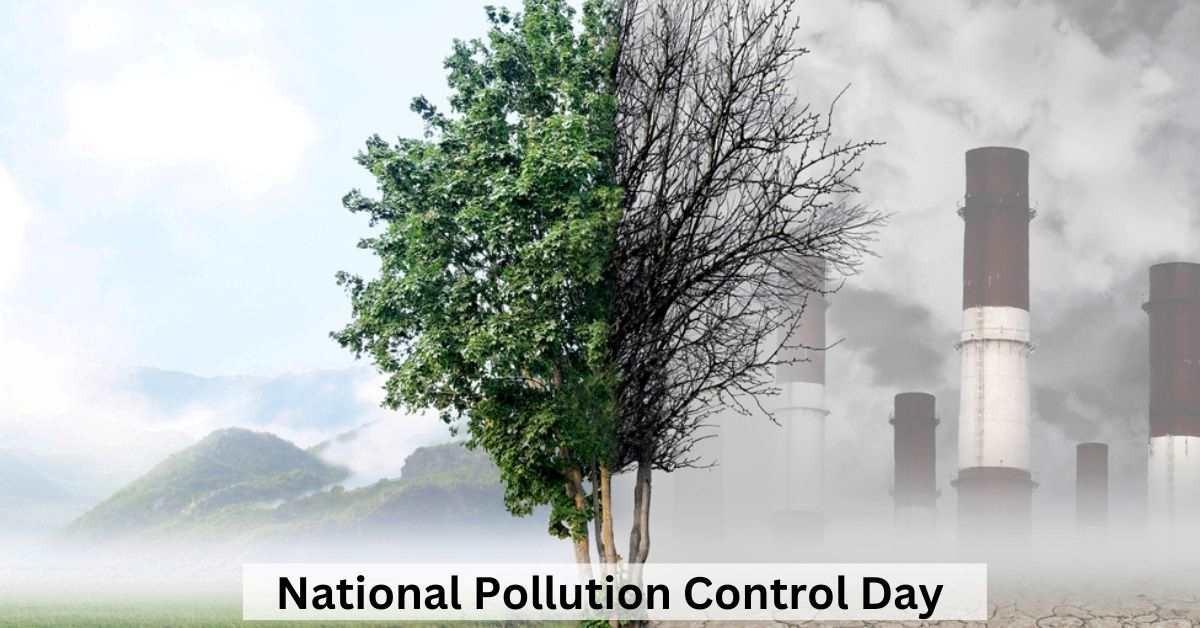
India continues to face escalating water and environmental safety concerns as pollution levels in several regions rise, prompting renewed debate and public awareness. These issues gained added attention with the annual observance of National Pollution Control Day on 2 December, a day dedicated to remembering past environmental tragedies and reinforcing the need for stronger pollution-management policies.
The country’s water systems remain under pressure due to industrial discharge, untreated sewage, agricultural runoff, and declining groundwater quality. Major rivers and lakes in multiple states report increased contamination levels, raising questions about drinking-water safety, ecosystem health, and long-term sustainability. Environmental experts warn that without immediate intervention, water stress could intensify in both urban and rural areas, affecting millions of households.
Air pollution, too, has emerged as a persistent threat, with several cities recording hazardous air-quality levels during winter months. Weather patterns, biomass burning, vehicular emissions, and industrial pollutants contribute to deteriorating air conditions that directly impact respiratory health, productivity, and daily life. Public health authorities continue to issue advisories, urging residents to take precautions as air-quality crises become more frequent and widespread.
Soil pollution and waste mismanagement add another layer to India’s environmental challenges. Landfills overflowing with non-biodegradable waste, plastic accumulation in water bodies, and improper disposal of industrial chemicals are creating long-term ecological risks. Experts stress that stronger enforcement, sustainable waste management, and public participation are essential to reversing this trend.
National Pollution Control Day serves as an annual reminder of the 1984 Bhopal Gas Tragedy and its lessons for modern environmental governance. The day prompts government bodies, industries, and citizens to revisit safety protocols, strengthen pollution regulations, and push for cleaner, more sustainable practices. Awareness programs across schools, institutions, and civil-society groups encourage people to adopt responsible habits and support policies aimed at environmental protection.
Several states have responded to rising pollution risks by introducing stricter compliance rules, upgrading monitoring systems, and initiating clean-river missions. Urban local bodies are also focusing on waste segregation, stricter industrial checks, and public outreach to reduce environmental damage. However, experts argue that long-term success will depend on consistent enforcement, technological innovation, and collective responsibility.
India’s growing environmental concerns reflect a broader global reality in which pollution threatens health, ecosystems, and economic stability. As discussions deepen around sustainability and climate resilience, National Pollution Control Day stands as a powerful reminder that safeguarding the environment is not optional but essential for the country’s future.
 Related News
POST A COMMENT (0)
All Comments (0)
Replies (0)