





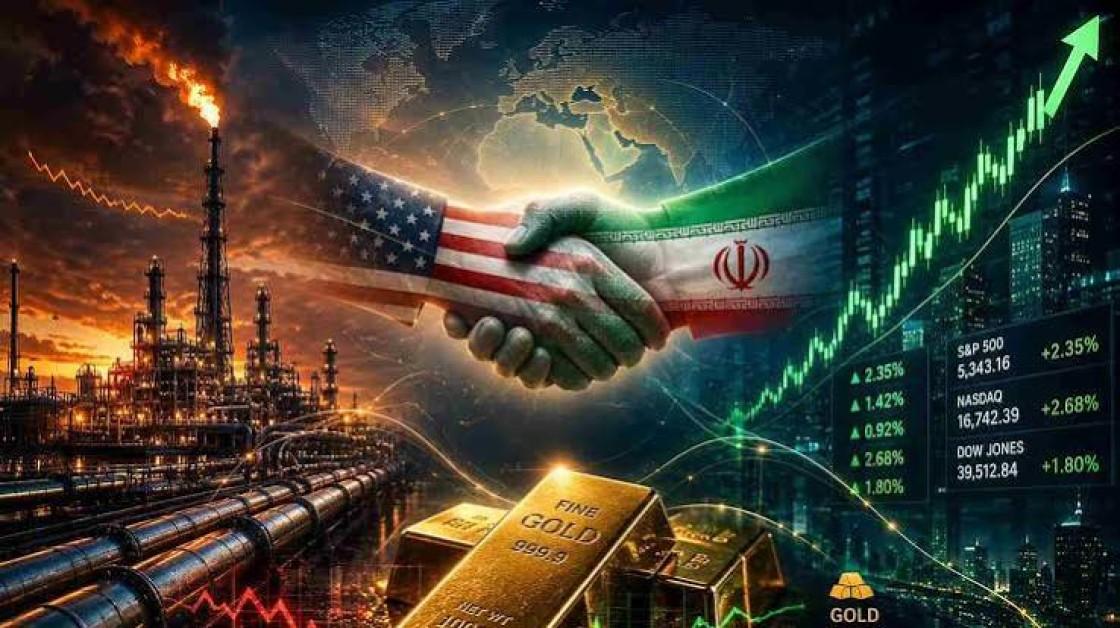
Iran–US Peace Deal: Global Trade, Oil Market Reaction, and Economic Impact Explained
A potential peace agreement between Iran and the United States would represent a significant geopolitical development with far-reaching implications for global trade, energy markets, and investor sentiment. As two influential players in international affairs, any meaningful improvement in relations could reshape trade flows, reduce geopolitical uncertainty, and influence commodity prices—particularly crude oil.
While the timing and scope of any agreement remain uncertain, businesses and financial markets closely monitor developments because of their potential impact on energy security, global supply chains, and international investment.
Why the Iran–US Peace Deal Matters

The Middle East plays a central role in global energy production and international shipping. Improved relations between Iran and the United States could reduce regional tensions and support greater economic cooperation.
A successful agreement could:
- Improve geopolitical stability
- Support global energy security
- Encourage international investment
- Strengthen global trade flows
- Reduce supply chain disruptions
- Improve market confidence
These developments could influence industries ranging from energy and manufacturing to transportation and finance.
Latest Developments
Diplomatic engagement between Iran and the United States has periodically focused on issues such as regional security, sanctions, nuclear-related concerns, and broader economic cooperation.
Market participants continue to monitor official announcements, negotiations, and policy decisions that may influence:
- International sanctions
- Energy exports
- Shipping activity
- Foreign investment
- Regional stability
- Global financial markets
The final economic impact will depend on the terms and implementation of any future agreement.
Impact on the Global Oil Market
Increased Oil Supply
If restrictions on Iranian oil exports are eased, additional crude oil could enter international markets, increasing global supply.
Oil Price Volatility
Energy markets often react quickly to geopolitical developments. Positive diplomatic progress may reduce concerns over supply disruptions, while setbacks could increase price volatility.
Improved Energy Security
Greater stability in energy-producing regions could improve long-term supply reliability for importing countries.
Refining and Petrochemical Industries
Lower input costs or more stable crude supplies may benefit refineries, petrochemical manufacturers, and other energy-intensive industries.
Impact on Global Trade
Stronger International Trade
Reduced geopolitical tensions may encourage higher trade volumes by improving confidence among exporters, importers, and logistics providers.
Shipping and Logistics
Safer and more predictable trade routes in the Middle East could support international shipping, reduce transit risks, and improve delivery reliability.
Manufacturing
Manufacturers that rely on imported energy or globally sourced raw materials may benefit from more stable input costs and improved supply chain efficiency.
Commodity Markets
Commodity prices—including oil, chemicals, fertilizers, and industrial materials—could respond to changes in supply, transportation costs, and investor expectations.
Business Impact
Energy Companies
Oil and gas producers, refiners, and energy service companies may adjust investment and production strategies based on changes in market conditions.
Airlines and Transportation
More stable fuel prices could help airlines, shipping companies, and logistics providers better manage operating expenses.
Manufacturing Sector
Manufacturers may benefit from improved energy availability, lower transportation costs, and reduced supply chain uncertainty.
Financial Markets
Investors often respond to geopolitical developments by reassessing risk, which can influence stock markets, bond yields, commodity prices, and currency movements.
International Trade Businesses
Companies involved in cross-border trade may benefit from smoother logistics, greater market confidence, and expanded commercial opportunities if geopolitical risks decline.
Industries That Could Be Affected
Several industries may experience direct or indirect effects, including:
- Oil and Gas
- Petrochemicals
- Shipping and Logistics
- Aviation
- Manufacturing
- Automotive
- Renewable Energy
- Financial Services
- Commodity Trading
- Infrastructure
- Chemicals
- International Trade
Opportunities for Businesses
A more stable geopolitical environment could create opportunities such as:
- Expanded export markets
- Increased cross-border investment
- Stronger supply chain resilience
- Improved energy planning
- Lower transportation risks
- Greater business confidence
Organizations may also gain greater flexibility in long-term strategic planning if market uncertainty declines.
Challenges and Risks
Despite the potential benefits, several uncertainties remain.
Policy Changes
Government decisions regarding sanctions, trade policies, and international agreements can significantly influence market outcomes.
Regional Geopolitical Risks
Developments involving other countries or regional security issues may continue to affect investor sentiment and commodity markets.
Market Volatility
Financial and commodity markets can react rapidly to diplomatic announcements, creating short-term price fluctuations.
Implementation
The economic effects of any agreement would depend on how commitments are implemented and whether all parties comply with agreed terms.
Future Outlook
Global businesses, investors, and policymakers are expected to closely monitor future diplomatic developments between Iran and the United States. Any meaningful improvement in relations could contribute to greater stability in global energy markets, stronger international trade, and increased investment confidence. However, the long-term impact will depend on sustained diplomatic engagement, policy implementation, and broader geopolitical conditions.
Conclusion
A potential Iran–US peace deal could have significant implications for global trade, oil markets, and the international business environment. Improved diplomatic relations may support energy security, strengthen supply chains, encourage investment, and reduce geopolitical uncertainty. While important challenges remain, businesses and investors will continue to monitor negotiations closely as they assess opportunities and risks in an evolving global economy.
 Iran–US Peace Deal: Latest Developments, Global Trade, Oil Prices, and Business Impact FAQs
POST A COMMENT (0)
All Comments (0)
Replies (0)