





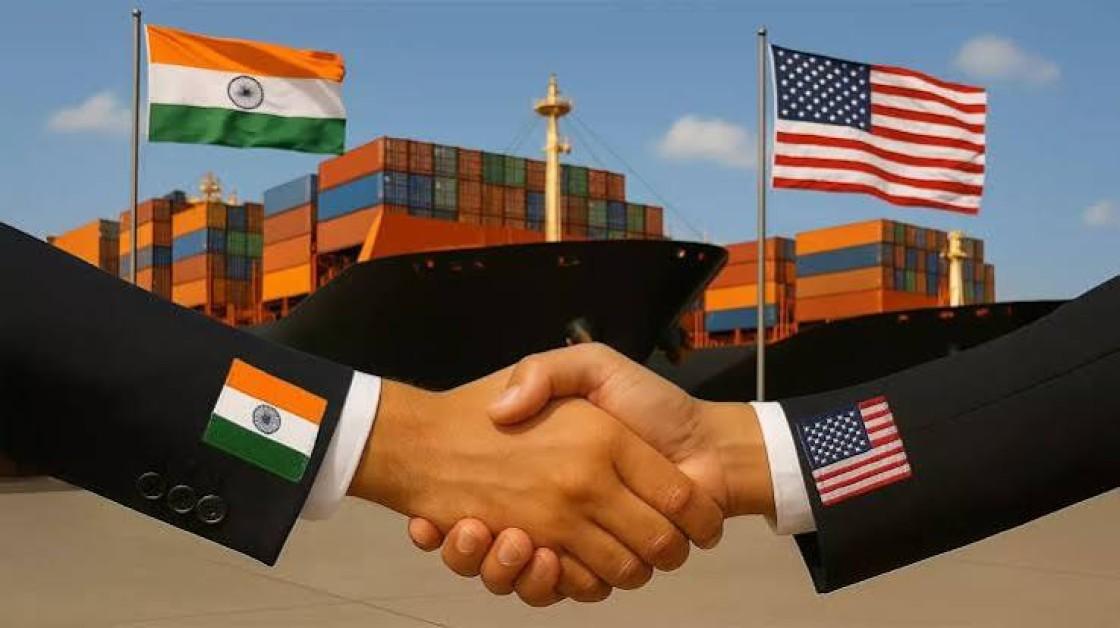
India–US Trade Deal Talks: Latest Developments, Key Negotiation Areas, and Business Impact Explained
India and the United States continue discussions aimed at strengthening their economic partnership through a broader bilateral trade agreement. The negotiations are focused on expanding market access, reducing trade barriers, improving investment opportunities, and increasing bilateral trade between the world's largest democracy and the world's largest economy.
A successful agreement could benefit businesses across multiple sectors by improving trade efficiency, encouraging foreign investment, and creating new export opportunities. While negotiations remain ongoing, both countries have expressed interest in building a stronger long-term trade relationship.
Why the India–US Trade Deal Matters

The United States is one of India's largest trading partners, while India represents an important growth market for American businesses.
A comprehensive trade agreement could:
- Increase bilateral trade
- Improve market access
- Strengthen supply chains
- Encourage cross-border investments
- Create employment opportunities
- Support long-term economic growth
The agreement is also viewed as part of broader efforts to deepen economic and strategic cooperation between the two countries.
Latest Developments in the Trade Talks
Negotiators from India and the United States continue discussions on several areas of mutual interest.
Current priorities include:
- Expanding market access
- Reducing tariff-related barriers
- Improving customs procedures
- Increasing investment cooperation
- Strengthening digital trade
- Enhancing supply chain resilience
Both sides have indicated their intention to continue negotiations while addressing outstanding issues through dialogue.
Key Areas Under Negotiation
Market Access
Businesses are seeking improved access to each other's markets across manufacturing, agriculture, services, and technology sectors.
Tariffs
Reducing or rationalizing tariffs remains one of the most important aspects of the negotiations, with the objective of making cross-border trade more competitive.
Digital Trade
As digital commerce continues to grow, discussions include areas such as digital services, cross-border data flows, technology collaboration, and digital innovation.
Investment
Both countries are exploring measures that could encourage greater foreign direct investment by improving business confidence and regulatory cooperation.
Intellectual Property
Protecting innovation and intellectual property rights remains an important component of modern trade agreements and continues to be part of ongoing discussions.
Supply Chain Cooperation
India and the United States are working to strengthen resilient supply chains in sectors such as electronics, pharmaceuticals, advanced manufacturing, and critical technologies.
Potential Business Impact
Export Opportunities
Indian exporters could gain improved access to one of the world's largest consumer markets, while American companies may benefit from expanding opportunities in India's growing economy.
Manufacturing Growth
Lower trade barriers and stronger investment ties could encourage additional manufacturing activity and greater participation in global value chains.
Technology Sector
Technology companies may benefit from closer cooperation in software, cloud services, artificial intelligence, cybersecurity, semiconductors, and digital infrastructure.
Agriculture
Agricultural trade remains an important discussion area, with efforts focused on expanding opportunities while balancing domestic interests in both countries.
Small and Medium Enterprises (SMEs)
Improved trade processes and greater market access could enable SMEs to reach international customers more efficiently.
Foreign Investment
Greater policy certainty and enhanced economic cooperation may encourage businesses to expand investments and establish new partnerships.
Benefits for Businesses
If a broader agreement is reached, businesses could experience several advantages.
Improved Market Access
Companies may find it easier to sell products and services across both markets.
Lower Trade Costs
Reduced tariffs and simplified procedures could decrease the overall cost of international trade.
Faster Customs Processes
More efficient customs systems can help reduce shipping delays and improve supply chain performance.
Increased Competitiveness
Businesses may become more competitive by accessing larger markets and broader supplier networks.
Stronger Bilateral Partnerships
Closer economic cooperation could encourage joint ventures, technology partnerships, and research collaborations.
Challenges Remaining
Despite continued progress, several issues require further discussion.
Tariff Differences
Both countries continue to negotiate tariff structures across various industries.
Regulatory Alignment
Differences in regulations and standards can affect market access and business operations.
Sector-Specific Concerns
Industries such as agriculture, manufacturing, healthcare, and digital services have unique priorities that require careful negotiation.
Implementation
Even after an agreement is finalized, successful implementation will depend on coordinated policy execution and regulatory compliance.
Industries That Could Benefit
Several sectors may benefit from stronger India–US trade ties, including:
- Information Technology
- Pharmaceuticals
- Electronics Manufacturing
- Automotive Components
- Textiles and Apparel
- Engineering Goods
- Renewable Energy
- Healthcare
- Aerospace and Defense
- Financial Services
- Logistics
- Digital Services
Outlook
Negotiations are expected to continue as both governments work toward a mutually beneficial framework. Businesses are closely monitoring the discussions, as a successful agreement could strengthen bilateral trade, improve investment flows, and create new opportunities for exporters, manufacturers, technology firms, and service providers. While the timing and final scope of any agreement remain subject to ongoing negotiations, the long-term outlook for India–US economic cooperation continues to be positive.
Conclusion
The India–US trade deal talks represent an important step toward expanding economic cooperation between two major global economies. By addressing market access, investment, digital trade, tariffs, and supply chain resilience, the proposed agreement has the potential to unlock new business opportunities and support sustainable economic growth. Although negotiations are still underway, businesses should closely monitor developments and prepare to capitalize on emerging opportunities as discussions progress.
 India–US Trade Deal Talks: Latest Developments, Key Issues, Business Impact, and What Comes Next FAQs
POST A COMMENT (0)
All Comments (0)
Replies (0)