





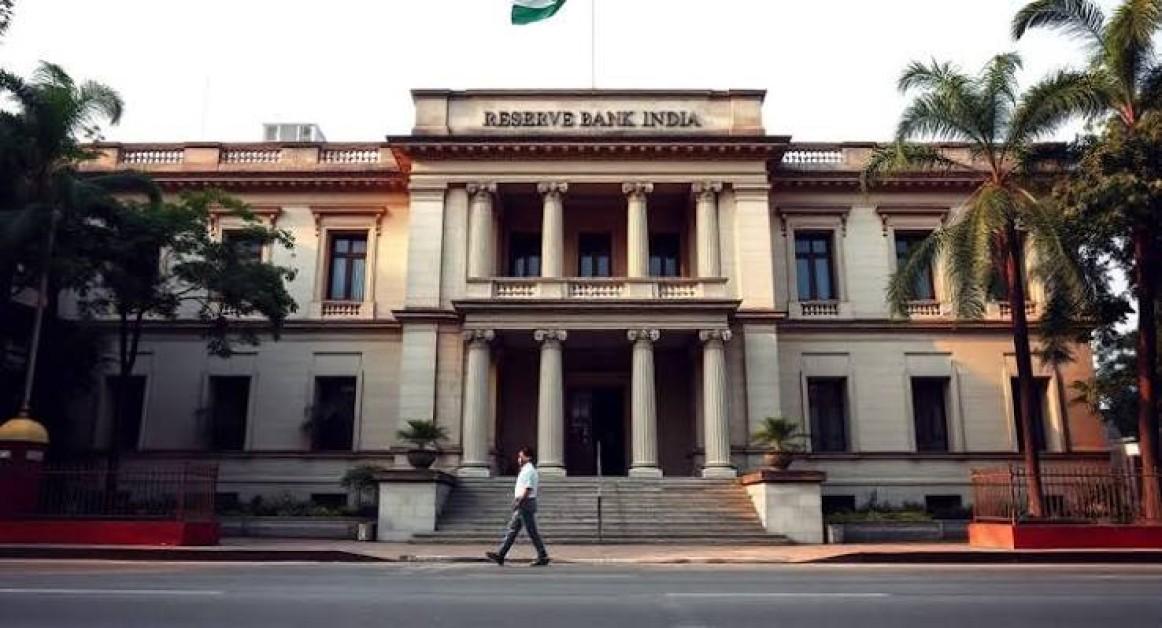
Indian Rupee Holds Steady Ahead of RBI Monetary Policy Decision as Markets Turn Cautious
The Indian rupee remained broadly stable ahead of the Reserve Bank of India's (RBI) upcoming Monetary Policy Committee (MPC) announcement as investors adopted a cautious stance while awaiting clarity on interest rates, inflation and liquidity conditions. Currency markets are closely tracking the central bank's policy guidance alongside global macroeconomic developments, crude oil prices and foreign capital flows.
Although financial markets widely expect the RBI to keep the benchmark repo rate unchanged, traders and investors are focusing on the central bank's outlook for inflation, economic growth and future monetary policy, all of which could influence the direction of the rupee in the coming weeks.
RBI Policy Decision Remains the Primary Market Focus

The upcoming monetary policy announcement is the dominant driver of currency market sentiment.
Investors are closely monitoring:
-
Repo rate decision
-
Monetary policy stance
-
Inflation outlook
-
GDP growth projections
-
Liquidity conditions
-
Forward guidance
-
Financial stability assessment
-
RBI Governor's commentary
The central bank's communication is expected to have a greater impact than the policy rate decision itself.
Rupee Stability Reflects Balanced Market Sentiment
The domestic currency has remained relatively stable as market participants await fresh policy signals.
Factors supporting stability include:
-
Balanced foreign exchange demand
-
Stable capital flows
-
RBI market oversight
-
Healthy foreign exchange reserves
-
Controlled inflation expectations
-
Moderate global risk sentiment
-
Domestic economic resilience
-
Orderly market conditions
These factors have helped limit excessive currency volatility ahead of the policy announcement.
Foreign Investment Flows Remain Important
Foreign portfolio and direct investment continue influencing rupee movements.
Key indicators include:
-
Foreign portfolio investment (FPI)
-
Foreign direct investment (FDI)
-
Institutional investor activity
-
Capital inflows
-
Equity market participation
-
Bond market demand
-
External financing
-
Investor confidence
Sustained capital inflows continue to support the medium-term outlook for the rupee.
Crude Oil Prices Continue to Influence the Currency
As one of the world's largest crude oil importers, India's currency remains sensitive to energy prices.
Investors are watching:
-
International crude oil prices
-
Import costs
-
Current account balance
-
Inflation pressures
-
Fuel prices
-
Commodity markets
-
Global energy demand
-
Supply-side developments
Lower oil prices generally provide support to the rupee by reducing import costs and easing pressure on the current account.
Bond Markets Await RBI Guidance
Government bond markets remain cautious ahead of the policy announcement.
Market participants are evaluating:
-
Government bond yields
-
Liquidity operations
-
Inflation expectations
-
Government borrowing
-
Fixed-income demand
-
Yield curve movements
-
Institutional participation
-
Interest-rate outlook
Bond market movements often influence currency sentiment through changes in capital flows.
Banking Sector Watches Liquidity Conditions
Banks are also monitoring the RBI's policy guidance.
Areas of focus include:
-
System liquidity
-
Credit growth
-
Deposit mobilisation
-
Money market rates
-
Treasury operations
-
Funding costs
-
Lending activity
-
Financial stability
Liquidity conditions play an important role in shaping financial market confidence.
Global Developments Continue to Shape Currency Markets
External factors remain influential for emerging market currencies.
Key developments include:
-
U.S. Federal Reserve policy
-
Global interest rates
-
U.S. dollar performance
-
Geopolitical developments
-
Commodity prices
-
Global inflation
-
Risk appetite
-
International capital flows
These variables continue affecting investor positioning across global currency markets.
Risks to Monitor
Investors should continue monitoring:
-
RBI monetary policy
-
Inflation data
-
Crude oil prices
-
Foreign investment flows
-
U.S. dollar movements
-
Government bond yields
-
Global interest rates
-
Current account trends
-
Geopolitical developments
-
Global economic conditions
These factors will determine the rupee's near-term direction.
What Investors Should Watch
Key indicators include:
-
RBI policy announcement
-
Repo rate decision
-
Inflation forecasts
-
RBI Governor's commentary
-
Rupee movement
-
Foreign exchange reserves
-
Foreign investment flows
-
Government bond yields
-
Crude oil prices
-
Global currency trends
These metrics will provide important insight into India's currency outlook.
Outlook
The Indian rupee is expected to remain range-bound until the RBI announces its monetary policy decision and provides updated guidance on inflation, liquidity and economic growth.
While the market consensus points to policy continuity, the central bank's commentary and evolving global conditions will play an important role in determining the currency's medium-term direction. Stable capital inflows, moderating crude oil prices and resilient domestic economic fundamentals are expected to remain supportive factors.
Conclusion
The Indian rupee is holding steady as investors await the RBI's monetary policy announcement and assess the outlook for interest rates, inflation and liquidity.
Although expectations largely favour an unchanged repo rate, the RBI's policy guidance will influence currency markets, bond yields and broader investor sentiment in the weeks ahead.
Market participants will continue monitoring foreign capital flows, crude oil prices, inflation trends and global macroeconomic developments as key drivers of the rupee's future performance.
 Indian Rupee Holds Steady Ahead of RBI Monetary Policy Decision as Markets Turn Cautious FAQs
POST A COMMENT (0)
All Comments (0)
Replies (0)