





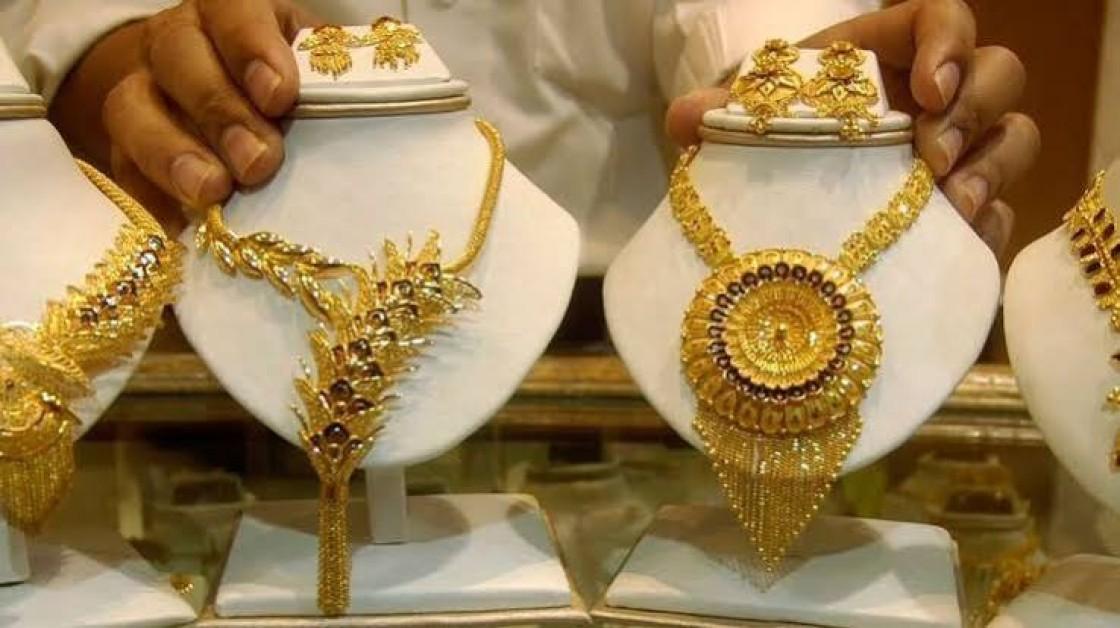
GRT Jewellers to Acquire 74.12% of TBZ for Up to ₹1,033.71 Crore and Launch Open Offer
Chennai-based GRT Jewellers India Private Limited has signed a share purchase agreement to acquire a 74.12% controlling stake in Tribhovandas Bhimji Zaveri Limited, better known as TBZ The Original, from the listed jewellery retailer's promoter group for an aggregate consideration of up to ₹1,033.71 crore.
The transaction, announced on August 31, 2026, represents one of the most significant ownership changes in India's organised jewellery retail sector and will give GRT control of a brand whose history stretches back 162 years.
Under the share purchase agreement, GRT will acquire:
4,94,59,775 equity shares
representing:
74.12% of TBZ's paid-up equity capital.
The agreed consideration is up to:
₹1,033.71 crore.
The acquisition price is capped at approximately:
₹209 per share,
subject to the terms of the transaction, including potential adjustments.
Completion remains subject to regulatory approvals and customary closing conditions.
The acquisition will also trigger a mandatory open offer under applicable SEBI takeover regulations, with GRT proposing to acquire an additional approximately 26% of TBZ's equity from public shareholders.
If the promoter acquisition and open offer ultimately result in GRT acquiring the maximum available stake, the transaction could give the Chennai-headquartered jewellery group an exceptionally high level of ownership in TBZ, subject to applicable public-shareholding requirements and regulatory provisions.
Strategically, the deal gives GRT immediate access to TBZ's 37-store network across India, accelerating a national expansion strategy that otherwise could have required years of organic store development.
GRT itself operates 68 stores in India and one in Singapore, meaning the two businesses together currently represent more than 100 jewellery stores.
The acquisition therefore brings together two established Indian jewellery houses with different geographic strengths, customer relationships and retail histories at a time when organised jewellery chains are competing aggressively for market share.
GRT Signs Agreement to Buy 74.12% of TBZ

The transaction has been structured through a share purchase agreement between:
GRT Jewellers (India) Private Limited
and members of TBZ's existing promoter and promoter group.
The sellers have agreed to transfer their combined:
74.12% holding
to GRT.
Once the transaction is completed, GRT will acquire:
sole control of TBZ.
This makes the deal fundamentally different from a strategic minority investment.
GRT is acquiring control of the listed company and is expected to become its new promoter.
GRT Will Acquire Nearly 4.95 Crore TBZ Shares
The promoter group will sell:
4,94,59,775 shares
to GRT.
The aggregate consideration has been set at:
up to ₹1,033.71 crore.
The price under the share purchase agreement is capped at:
₹209 per share.
The final consideration remains subject to the terms contained in the agreement.
For GRT, this represents a substantial capital commitment toward accelerating its national jewellery-retail strategy.
TBZ Promoter Family Will Exit Its Shareholding
The sellers include members and entities associated with the Zaveri promoter family.
The promoter holdings covered by the agreement include those of:
Shrikant Gopaldas Zaveri,
Bindu Shrikant Zaveri,
Binaisha Shrikant Zaveri,
and
Raashi Shrikant Zaveri,
along with promoter-group entities.
Together, these holdings account for the 74.12% stake being acquired by GRT.
Completion of the transaction will therefore represent a historic change in control for a company whose identity has been closely associated with the founding family for generations.
Shrikant Zaveri Holds the Largest Promoter Stake
Shrikant Gopaldas Zaveri currently holds approximately:
50.06%
of TBZ.
Other promoter holdings include approximately:
5.24% held by Bindu Shrikant Zaveri,
7.92% held by Binaisha Shrikant Zaveri,
and
6.85% held by Raashi Shrikant Zaveri.
Two promoter-group private companies hold approximately:
2.02% each.
These holdings collectively form the controlling stake being transferred to GRT.
GRT Will Gain Sole Control of TBZ
Following completion of the share purchase transaction, GRT is expected to obtain:
sole control
of Tribhovandas Bhimji Zaveri Limited.
The change will also affect TBZ's governance structure.
GRT will gain the ability to nominate directors to the company's board in accordance with the transaction agreements and applicable regulations.
The existing promoter group's role will change substantially once the ownership transfer is completed.
Existing Promoter Directors Are Expected to Step Down
As part of the control transition, certain members of the existing promoter family are expected to resign from TBZ's board following completion.
These include:
Shrikant Gopaldas Zaveri,
Binaisha Shrikant Zaveri,
and
Raashi Shrikant Zaveri.
The outgoing promoter shareholders are also expected to cease being classified as promoters following completion and the required regulatory processes.
This will formally shift control of the company from the Zaveri family to GRT.
Acquisition Triggers Mandatory Open Offer
Because GRT is acquiring more than the regulatory threshold for control of a listed company, the transaction triggers an:
open offer.
GRT plans to make an open offer for approximately:
26% of TBZ's equity capital
in accordance with applicable SEBI takeover regulations.
The open offer provides eligible public shareholders with an opportunity to tender their shares to the incoming acquirer under the terms eventually specified in the formal offer documentation.
Open Offer Is Separate From the ₹1,033.71 Crore Promoter Purchase
An important distinction is that the:
₹1,033.71 crore
figure relates to the acquisition of the:
74.12% promoter stake.
The mandatory open offer represents a separate potential acquisition of shares from public shareholders.
The eventual additional cash commitment will depend on the formal open-offer terms and the number of shares tendered and accepted.
Therefore, the overall economic commitment associated with gaining control of TBZ could exceed the headline ₹1,033.71 crore promoter transaction.
Open Offer Could Significantly Change TBZ’s Public Shareholding
TBZ currently has approximately:
25.88%
of its shares outside the promoter group.
The proposed open offer is for approximately 26%, broadly corresponding to the public shareholding.
If a substantial number of public shareholders tender shares, GRT's ownership could increase considerably beyond the initial 74.12%.
However, the ultimate shareholding structure will need to comply with applicable securities regulations, including requirements relating to minimum public shareholding.
Deal Price Differs From TBZ’s Market Price
TBZ shares closed around:
₹305.45 on the BSE
on August 31 before the transaction was announced after market hours.
The company's market capitalisation stood at approximately:
₹2,038 crore.
This means the market price before the announcement was materially higher than the maximum ₹209-per-share price associated with the promoter stake purchase.
That difference makes the detailed open-offer documentation particularly important for public shareholders.
Transaction Was Announced After Market Hours
TBZ shares ended the August 31 session higher before the acquisition announcement.
The stock closed around:
₹304–₹305 per share,
depending on the exchange reference.
Because the transaction was announced after the market had closed, the next trading session will provide the first opportunity for investors to fully price the implications of the ownership change.
Market attention is likely to focus on:
open-offer terms,
future strategy,
management changes,
and GRT's plans for TBZ.
TBZ Brings 37 Stores to GRT
One of the clearest strategic benefits is TBZ's physical retail network.
The company operates:
37 stores across India.
For GRT, acquiring this network provides a much faster path toward national expansion than developing an equivalent store base organically.
Building a jewellery store requires:
real estate,
inventory,
employees,
local marketing,
security infrastructure,
and customer acquisition.
Acquiring an existing brand provides many of these capabilities immediately.
GRT Already Operates 68 Stores in India
GRT currently operates:
68 stores across India
and:
one store in Singapore.
Its network has historically given the company substantial strength in southern India.
The company also employs more than:
12,000 people
and operates approximately:
6.5 lakh square feet of retail space.
The addition of TBZ's 37 outlets would create a much broader combined physical footprint.
Combined Networks Exceed 100 Stores
On a simple current-store basis, GRT's 68 Indian locations plus TBZ's 37 stores represent:
105 stores in India.
Including GRT's Singapore outlet, the two businesses collectively have:
106 stores.
The companies will remain legally distinct unless GRT later pursues a different corporate structure, but the combined retail reach demonstrates the strategic scale created by the acquisition.
GRT Gains Faster Access to Western and Other Indian Markets
GRT's roots are in southern India.
TBZ has a long-established identity originating in:
Mumbai.
Its store network therefore gives GRT greater exposure to markets beyond its traditional regional strongholds.
This geographic complementarity is one of the strongest strategic arguments for the transaction.
Instead of expanding city by city, GRT acquires an existing platform with:
stores,
employees,
customers,
supplier relationships,
and local brand recognition.
GRT Calls the Transaction Transformative
GRT management has described the acquisition as a major step toward creating a meaningful:
pan-India presence.
Managing Director G.R. Radhakrishnan characterised the transaction as transformative for the company.
G.R. "Ananth" Ananthapadmanabhan, also Managing Director of GRT Jewellers, has highlighted TBZ's 37-store network as a strong fit with GRT's national expansion strategy.
The management commentary makes clear that geography is a central motivation behind the acquisition.
TBZ Brings a 162-Year Jewellery Heritage
Tribhovandas Bhimji Zaveri traces its history to:
1864.
The business began with a single store in:
Zaveri Bazaar, Mumbai.
Over five generations, it developed into one of India's recognisable jewellery brands.
The company eventually expanded beyond Mumbai and built a multi-city retail network.
Its heritage is therefore one of the intangible assets GRT is acquiring alongside the physical stores.
Brand Trust Matters Particularly in Jewellery Retail
Jewellery differs from many conventional retail categories.
Consumers often purchase products with:
high monetary value,
emotional significance,
and long ownership periods.
Trust therefore becomes extremely important.
Customers need confidence in:
purity,
pricing,
craftsmanship,
certification,
and after-sales service.
A brand that has operated for generations can possess customer trust that would be difficult and expensive for a new entrant to replicate.
GRT Also Brings More Than Six Decades of History
GRT is itself an established jewellery business.
The company was founded in:
1964
by G. Rajendran.
It sells:
gold,
silver,
diamond,
and platinum jewellery.
The company has developed from a regional jewellery business into a major organised retailer.
The TBZ acquisition represents the next stage of that expansion.
GRT Has More Than 15 Million Customers
GRT says its customer base exceeds:
15 million.
That existing scale could provide significant opportunities once the company takes control of TBZ.
Potential areas include:
customer analytics,
loyalty programmes,
digital commerce,
merchandising,
and cross-market brand development.
The two companies will need to determine how closely these systems should ultimately be integrated.
TBZ and GRT Have Complementary Strengths
The transaction rationale emphasises the complementary characteristics of the businesses.
TBZ contributes:
heritage,
customer relationships,
merchandise capabilities,
and a national store network.
GRT contributes:
retail-management experience,
scale,
growth capital,
operating capabilities,
and expansion ambition.
The objective will be to use these strengths without weakening the identity that has made TBZ valuable.
TBZ Brand Is Likely to Remain Strategically Important
Acquiring a heritage jewellery retailer does not necessarily mean replacing its brand with the acquirer's identity.
TBZ's:
162-year history
is itself a commercial asset.
Maintaining that brand equity could be important, particularly among customers with longstanding relationships with the retailer.
GRT management has emphasised the value of TBZ's heritage, people and customer relationships.
Brand Architecture Will Be an Important Decision
After completion, GRT will need to determine how the two retail brands coexist.
Possible approaches could include:
keeping them completely independent,
sharing back-end infrastructure,
coordinating procurement,
developing common technology,
or using different brands for different customer segments.
A multi-brand model can allow a group to address more consumers without diluting established identities.
GRT Operates Oriana and Silvana
GRT already has experience managing different jewellery propositions.
Its portfolio includes:
Oriana,
focused on lightweight and accessible jewellery,
and:
Silvana,
focused on silver collections.
These businesses indicate that GRT is comfortable operating differentiated product propositions.
TBZ could therefore potentially remain a distinct heritage brand within a broader jewellery portfolio.
Lightweight Jewellery Is Becoming More Important
The acquisition comes during a challenging period for India's jewellery sector as elevated gold prices change consumer behaviour.
When gold becomes more expensive, the absolute cost of a jewellery piece rises even if its weight remains unchanged.
Consumers may respond by purchasing:
lighter products,
smaller ticket sizes,
or designs using less gold.
Jewellers therefore need to adapt their merchandise strategies.
Record Gold Prices Increase Working-Capital Requirements
High gold prices affect retailers as well as consumers.
Jewellery companies need significant inventories to provide customers with enough:
designs,
sizes,
weights,
and product categories.
As the gold price rises, the financial value of that inventory increases.
That means more capital can become tied up in the same physical quantity of jewellery.
Scale can help retailers manage these pressures through more efficient inventory allocation and procurement.
Jewellery Retail Is Highly Working-Capital Intensive
Unlike many retailers, jewellers carry products containing valuable commodities.
A single large store can require substantial inventory.
Expanding from 50 stores to 100 stores therefore does not simply involve additional rent and employees.
It can require substantial incremental working capital.
This makes capital efficiency a major competitive advantage.
Acquisition Gives GRT Existing Inventory Infrastructure
Buying TBZ gives GRT access to an established operating platform rather than requiring it to build one entirely from scratch.
That includes:
retail locations,
inventory systems,
employees,
vendors,
and supply-chain relationships.
Integration could create opportunities to improve inventory turns across the broader network.
However, poorly managed integration could also increase complexity.
Procurement Scale Could Create Synergies
A larger jewellery group can potentially gain advantages in procurement.
Greater purchasing scale can improve:
supplier negotiations,
diamond sourcing,
manufacturing relationships,
logistics,
and inventory planning.
Even small improvements in working-capital efficiency can become meaningful when applied across a large jewellery network.
The extent of these synergies will depend on how GRT integrates the businesses.
Shared Technology Could Improve Efficiency
Modern jewellery retail increasingly depends on sophisticated technology.
Systems are needed for:
inventory tracking,
customer relationship management,
billing,
gold-rate updates,
loyalty programmes,
e-commerce,
and analytics.
GRT could potentially introduce common technology platforms across parts of TBZ's network.
This could improve visibility over inventory and customer behaviour.
Customer Data Could Become More Valuable
A larger store network generates more customer information.
With appropriate privacy and data-governance safeguards, retailers can analyse:
purchase history,
product preferences,
festival demand,
wedding purchases,
and regional trends.
This can help optimise merchandise by location.
A Mumbai store does not necessarily require the same product mix as a Chennai or Hyderabad store.
Data can improve those decisions.
Wedding Jewellery Remains a Core Market
Both GRT and TBZ have significant exposure to:
wedding jewellery.
Indian weddings remain one of the most important demand drivers for gold and diamond jewellery.
Purchases can include:
bridal sets,
necklaces,
bangles,
earrings,
rings,
and gifts.
The category benefits from deep cultural traditions but is also highly competitive.
Organised Retailers Continue Taking Market Share
India's jewellery market historically included a very large number of independent and family-owned jewellers.
Organised chains have steadily expanded their presence.
Customers increasingly value:
hallmarking,
transparent pricing,
certification,
exchange programmes,
and national brand recognition.
Large chains can also invest more heavily in:
advertising,
technology,
store design,
and digital commerce.
GRT-TBZ Deal Highlights Jewellery-Sector Consolidation
The transaction is therefore part of a larger structural shift.
Scale is becoming increasingly important.
Jewellery retailers need capital to fund:
inventory,
store expansion,
technology,
marketing,
and compliance.
Established regional brands may therefore become attractive acquisition targets for larger operators seeking faster national growth.
Organic Expansion Can Be Slow
Opening stores organically has advantages.
A retailer controls:
location,
design,
staffing,
inventory,
and brand positioning
from the beginning.
But it is slow.
Each new city requires local market knowledge and customer acquisition.
Acquisition provides another route.
GRT is effectively purchasing decades of TBZ's market development in a single transaction.
TBZ Gives GRT Immediate Brand Recognition
This is particularly valuable in jewellery.
A consumer may hesitate to purchase a high-value diamond necklace from an unfamiliar brand.
TBZ already has established recognition.
That reduces the customer-acquisition challenge for GRT when entering markets where the GRT name may have less historical penetration.
TBZ’s Management Expertise Is Also an Asset
GRT has said it expects its management capabilities to work alongside TBZ's professional senior executives.
This suggests the acquirer intends to retain important operating knowledge within the target company.
That can reduce integration risk.
Experienced local management understands:
customers,
store economics,
employees,
and suppliers.
Removing too much institutional knowledge immediately after an acquisition can damage performance.
Leadership Transition Will Need Careful Management
The transaction nevertheless represents a major cultural change.
TBZ has been associated with the Zaveri family for:
five generations.
Moving from family control to ownership by another major jewellery group will require careful communication with:
employees,
customers,
suppliers,
and investors.
The new owners will need to demonstrate continuity while also pursuing growth.
Shrikant Zaveri Calls Deal a New Chapter
TBZ Chairman and Managing Director Shrikant Zaveri has framed the transaction as the beginning of a new chapter for the heritage brand.
The company's evolution from a single Zaveri Bazaar storefront into a 37-location chain reflects more than a century and a half of business development.
The sale therefore represents both a financial transaction and a generational ownership transition.
GRT Could Accelerate TBZ Store Expansion
Once the acquisition is completed, one of the key questions will be:
how quickly GRT intends to expand TBZ.
A stronger parent can potentially provide:
capital,
operational expertise,
supplier relationships,
and real-estate capabilities
to accelerate new store openings.
However, rapid expansion carries risks.
Jewellery stores require large inventory investments and need sufficient local demand to generate acceptable returns.
Existing Stores Could Be Optimised Before New Expansion
GRT may also focus on improving the productivity of TBZ's existing network.
Possible strategies include:
larger product assortments,
inventory optimisation,
store renovations,
local marketing,
digital integration,
and improved customer conversion.
Increasing sales from existing stores can sometimes generate better returns than aggressive new-store development.
E-Commerce Will Be Another Growth Opportunity
Jewellery remains heavily dependent on physical retail, particularly for high-value purchases.
But digital channels increasingly influence customer journeys.
Consumers may first:
research designs online,
compare prices,
browse collections,
or book appointments
before visiting a store.
An integrated online-offline model can therefore increase store productivity.
Digital Discovery Matters Even for Offline Purchases
A jewellery transaction may ultimately happen inside a showroom.
But the purchase decision can begin weeks earlier on:
search engines,
social media,
mobile apps,
and brand websites.
Large retailers therefore increasingly invest in digital marketing even when physical stores remain the primary transaction channel.
The combined scale of GRT and TBZ could support greater technology investment.
Jewellery Brands Are Expanding Into Multiple Price Segments
High gold prices are encouraging retailers to diversify product ranges.
Lightweight jewellery can attract:
younger customers,
daily-wear buyers,
and consumers with smaller budgets.
Silver and lab-grown or alternative jewellery categories can also broaden addressable markets, depending on brand strategy.
GRT's existing sub-brands demonstrate its interest in differentiated segments.
TBZ Could Benefit From GRT’s Product Expertise
GRT's experience across gold, diamond, platinum, silver and lightweight jewellery could create merchandising opportunities for TBZ.
The challenge will be adapting products to TBZ's existing customer expectations.
A successful acquisition does not require making both brands identical.
The greater opportunity may be sharing capabilities while maintaining differentiated customer propositions.
Store Network Diversification Can Reduce Regional Dependence
Geographic diversification can also reduce risk.
Demand may vary across regions due to:
economic conditions,
wedding calendars,
festivals,
weather,
and local consumer preferences.
A broader national network reduces dependence on a small number of markets.
GRT's acquisition of TBZ therefore changes not only scale but also geographic risk distribution.
Festivals Remain Critical to Jewellery Sales
Jewellery demand typically strengthens around important festivals and auspicious periods.
These can include:
Dhanteras,
Diwali,
Akshaya Tritiya,
and regional celebrations.
A broader national presence gives a retailer exposure to different regional demand cycles.
It also requires more sophisticated inventory planning.
Gold Volatility Remains a Major Risk
The strategic benefits of the transaction do not eliminate commodity risk.
Rapid changes in gold prices can influence:
consumer demand,
inventory valuation,
working capital,
and margins.
When prices rise sharply, consumers may delay purchases or reduce product weight.
When prices fall quickly, buyers may wait for further declines.
Retailers therefore need strong risk-management systems.
Competition Will Remain Intense
The combined businesses will compete against some of India's largest jewellery retailers.
The organised market includes national and regional players with substantial:
capital,
brand recognition,
store networks,
and digital capabilities.
GRT's acquisition of TBZ improves its scale, but it does not remove competitive pressure.
Execution will determine whether the larger footprint translates into stronger market share.
The Deal Marks GRT’s Entry Into a Listed Jewellery Company
GRT itself is privately held.
TBZ, by contrast, is listed on Indian stock exchanges.
Acquiring control therefore introduces GRT to the governance environment associated with a publicly traded subsidiary.
This includes:
continuous disclosure,
public shareholders,
board governance,
and securities-market regulations.
That creates both opportunities and additional responsibilities.
Public Shareholders Will Remain Important
Even after GRT acquires the promoter stake, TBZ remains a listed company.
Its public shareholders therefore remain important stakeholders.
The incoming promoter will need to balance:
strategic control,
capital allocation,
growth investment,
and minority shareholder interests.
The open-offer process provides an immediate test of that relationship.
SEBI Process Will Determine the Next Steps
The share purchase agreement is subject to:
regulatory approvals
and:
customary closing conditions.
The open offer must also proceed under applicable SEBI rules.
Investors should therefore distinguish between:
announcement
and:
completion.
GRT has agreed to acquire control, but the transaction still has regulatory and procedural stages to complete.
Advisors Include Deloitte and Axis Capital
A number of major professional-services firms are involved in the transaction.
Deloitte has acted as lead adviser.
Axis Capital is financial adviser to GRT.
Trilegal is advising GRT on legal matters.
Srihari & Co has handled financial and tax due diligence.
On the TBZ side:
AZB & Partners is legal counsel,
while:
Ernst & Young LLP
is acting as financial adviser.
The adviser roster reflects the size and regulatory complexity of the transaction.
Integration Will Determine Whether the Deal Creates Value
Acquisitions can increase scale immediately.
They do not automatically create value.
The success of the GRT-TBZ combination will depend on whether management can improve:
store productivity,
inventory efficiency,
procurement,
merchandising,
technology,
and customer engagement.
Poor integration could create costs without sufficient revenue benefits.
Protecting TBZ’s Heritage Will Be Crucial
One of GRT's most valuable acquired assets is intangible:
trust.
TBZ's heritage extends back to 1864.
Customers may have family relationships with the brand spanning generations.
Any changes to:
store experience,
product quality,
pricing,
or service
will therefore need to be managed carefully.
Preserving heritage while modernising operations could become the central challenge of the acquisition.
The Transaction Could Reshape GRT’s National Position
GRT has already built substantial scale.
But acquiring TBZ moves the company closer to becoming a broader national jewellery platform.
The transaction adds:
37 stores,
a listed corporate vehicle,
a heritage brand,
western India exposure,
and a substantial existing customer base.
Those assets would have taken years to replicate organically.
Conclusion
GRT Jewellers' agreement to acquire 74.12% of Tribhovandas Bhimji Zaveri Limited for up to ₹1,033.71 crore marks a major change in ownership for one of India's oldest jewellery brands and a significant acceleration of GRT's pan-India expansion strategy.
Under the share purchase agreement, GRT will acquire 4,94,59,775 TBZ shares from the existing promoter group, giving it sole control of the listed jewellery retailer after completion.
The acquisition is priced at up to approximately ₹209 per share, subject to the transaction terms, and remains dependent on regulatory approvals and customary closing conditions.
The control transaction will also trigger a mandatory open offer for approximately another 26% of TBZ's equity, giving eligible public shareholders an opportunity to tender shares under the formal offer process.
Strategically, GRT gains access to TBZ's 37-store network and 162-year heritage, complementing its own 68 stores in India and one in Singapore.
The deal therefore combines two established jewellery businesses with more than 100 Indian stores between them and provides GRT with a much faster route toward building a national retail footprint.
The next phase will be determined by execution.
GRT will need to preserve TBZ's heritage and customer trust while improving scale, inventory productivity, technology and growth across an industry facing elevated gold prices and increasingly intense competition.
If successfully integrated, the transaction could transform GRT from a major jewellery retailer with strong regional roots into a significantly broader pan-India jewellery platform. pan-India jewellery retail presence.
 GRT Jewellers to Acquire 74.12% of TBZ for ₹1,033.71 Crore and Launch Open Offer FAQs
POST A COMMENT (0)
All Comments (0)
Replies (0)