





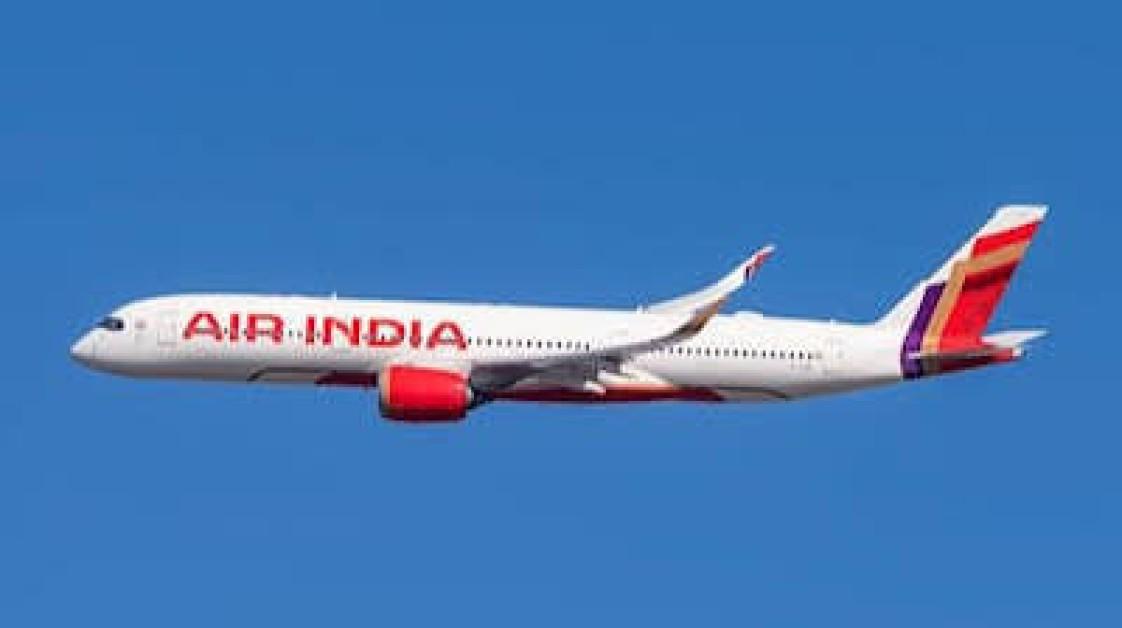
Air India Accelerates Transformation Plan Following FY26 Financial Results
Air India is moving ahead with its long-term transformation programme after announcing its FY26 financial results, reaffirming its commitment to rebuilding the airline through sustained investment in fleet modernisation, operational improvements, digital capabilities and customer experience.
The airline reported a net loss of ₹22,238 crore for FY26, reflecting the continued financial impact of its large-scale restructuring programme, aircraft integration costs, fleet upgrades and business transformation initiatives. Despite the loss, the Tata Group said the airline has made meaningful operational progress and remains focused on creating a globally competitive full-service carrier over the long term.
The strategy highlights the scale of the turnaround effort following Air India's acquisition by the Tata Group, with management continuing to prioritise long-term value creation over short-term financial performance.
FY26 Results Reflect Ongoing Transformation

Air India's FY26 financial performance underscores the significant investments required to modernise one of India's largest airlines.
The reported loss reflects several factors, including:
-
Fleet modernisation expenses
-
Aircraft integration costs
-
Network expansion
-
Technology investments
-
Operational restructuring
-
Employee integration
-
Customer service improvements
-
Transformation-related expenditure
Management has indicated that these investments are intended to strengthen the airline's long-term competitiveness.
Tata Group Maintains Long-Term Commitment
The Tata Group has reiterated that rebuilding Air India is a multi-year project requiring sustained capital investment and operational discipline.
The transformation strategy focuses on:
-
Operational excellence
-
Premium customer experience
-
Fleet renewal
-
Digital innovation
-
Network optimisation
-
Service quality
-
International competitiveness
-
Sustainable growth
The group has previously indicated that the turnaround is expected to take several years before delivering consistent financial returns.
Fleet Modernisation Remains a Key Priority
Air India continues investing in one of the aviation industry's largest fleet renewal programmes.
The initiative includes:
-
New aircraft deliveries
-
Cabin upgrades
-
Modern seating
-
Fuel-efficient aircraft
-
Premium interiors
-
Improved in-flight entertainment
-
Enhanced passenger comfort
-
Better operational efficiency
A modern fleet is expected to improve reliability while reducing long-term operating costs.
Customer Experience Receives Greater Attention
Improving passenger experience remains central to the airline's strategy.
Areas of investment include:
-
Cabin refurbishment
-
Digital check-in
-
Airport services
-
Loyalty programmes
-
On-board hospitality
-
Customer support
-
Mobile applications
-
Service consistency
Enhancing customer satisfaction is viewed as an important driver of long-term brand strength.
International Network Expansion Continues
Air India is strengthening its international operations as demand for global travel continues to recover.
Expansion priorities include:
-
Long-haul routes
-
Premium destinations
-
Hub connectivity
-
Fleet deployment
-
Schedule optimisation
-
Strategic partnerships
-
International capacity
-
Transit connectivity
Growing international traffic remains an important component of the airline's long-term growth strategy.
Digital Transformation Supports Operations
Technology investments continue supporting operational improvements.
Focus areas include:
-
Revenue management
-
Flight operations
-
Maintenance systems
-
Customer analytics
-
Mobile services
-
Digital booking platforms
-
AI-assisted processes
-
Operational automation
Digital capabilities are expected to improve efficiency while enhancing passenger experience.
Operational Efficiency Becomes More Important
Improving operational performance remains essential for long-term profitability.
Management continues focusing on:
-
Aircraft utilisation
-
On-time performance
-
Cost optimisation
-
Fuel efficiency
-
Maintenance planning
-
Crew productivity
-
Network planning
-
Resource management
Operational improvements can help strengthen financial performance over time.
India's Aviation Market Continues to Expand
India remains one of the world's fastest-growing aviation markets.
Growth drivers include:
-
Rising disposable income
-
Business travel
-
Tourism
-
International connectivity
-
Airport expansion
-
Urbanisation
-
Middle-class growth
-
Government infrastructure investment
These structural trends provide long-term opportunities for domestic airlines.
Competition Remains Intense
The aviation sector continues experiencing strong competition across domestic and international markets.
Airlines compete through:
-
Pricing
-
Route networks
-
Fleet quality
-
Service standards
-
Loyalty programmes
-
Operational reliability
-
Digital services
-
Brand reputation
Maintaining competitive differentiation remains important as capacity expands.
Fuel Prices Continue Influencing Profitability
Fuel remains one of the largest operating expenses for airlines.
Financial performance is influenced by:
-
Crude oil prices
-
Aviation turbine fuel costs
-
Currency movements
-
Fuel efficiency
-
Hedging strategies
-
Route optimisation
-
Aircraft technology
-
Fleet composition
Managing fuel-related costs remains essential for improving profitability.
Workforce Integration Continues
The airline continues aligning organisational structures as part of its broader transformation programme.
Key priorities include:
-
Employee training
-
Operational integration
-
Leadership development
-
Productivity improvements
-
Safety standards
-
Customer service
-
Digital skills
-
Cultural transformation
A skilled workforce remains central to long-term operational success.
Sustainability Gains Importance
Air India is also increasing its focus on environmental sustainability.
Key initiatives include:
-
Fuel-efficient aircraft
-
Lower emissions
-
Fleet renewal
-
Operational efficiency
-
Sustainable aviation practices
-
Waste reduction
-
Digital operations
-
Resource optimisation
Sustainability is becoming an increasingly important consideration across the global aviation industry.
Risks Investors Should Monitor
Several challenges remain during the transformation process.
These include:
-
Fuel price volatility
-
Aircraft delivery schedules
-
Global travel demand
-
Currency fluctuations
-
Competitive pricing
-
Economic uncertainty
-
Operational execution
-
Labour costs
-
Supply chain constraints
-
Regulatory developments
Managing these risks effectively will be important for achieving long-term financial sustainability.
What Investors Should Watch
Market participants should monitor:
-
Fleet deliveries
-
Passenger traffic
-
Load factors
-
Revenue growth
-
Operational efficiency
-
Cost management
-
Customer satisfaction
-
Network expansion
-
Digital transformation
-
Management commentary
These indicators will provide insight into the progress of Air India's turnaround strategy.
Outlook
Air India's transformation programme remains one of the largest restructuring initiatives in India's aviation sector.
Although significant investments continue to weigh on near-term financial performance, management believes improvements in fleet quality, customer experience, operational efficiency and international connectivity will strengthen the airline's long-term competitive position.
Future success will depend on disciplined execution, efficient capital allocation and continued growth in passenger demand.
Conclusion
Air India's FY26 financial results highlight both the scale of the airline's ongoing transformation and the substantial investment required to rebuild the business.
Despite reporting a net loss of ₹22,238 crore, the airline and its parent Tata Group remain focused on executing a long-term strategy centred on fleet modernisation, digital transformation, operational excellence and improved customer experience.
As the transformation progresses, investors and industry observers will closely monitor operational milestones, financial performance and the airline's ability to convert strategic investments into sustainable long-term growth.
 Air India Accelerates Transformation Plan Following FY26 Results FAQs
POST A COMMENT (0)
All Comments (0)
Replies (0)