




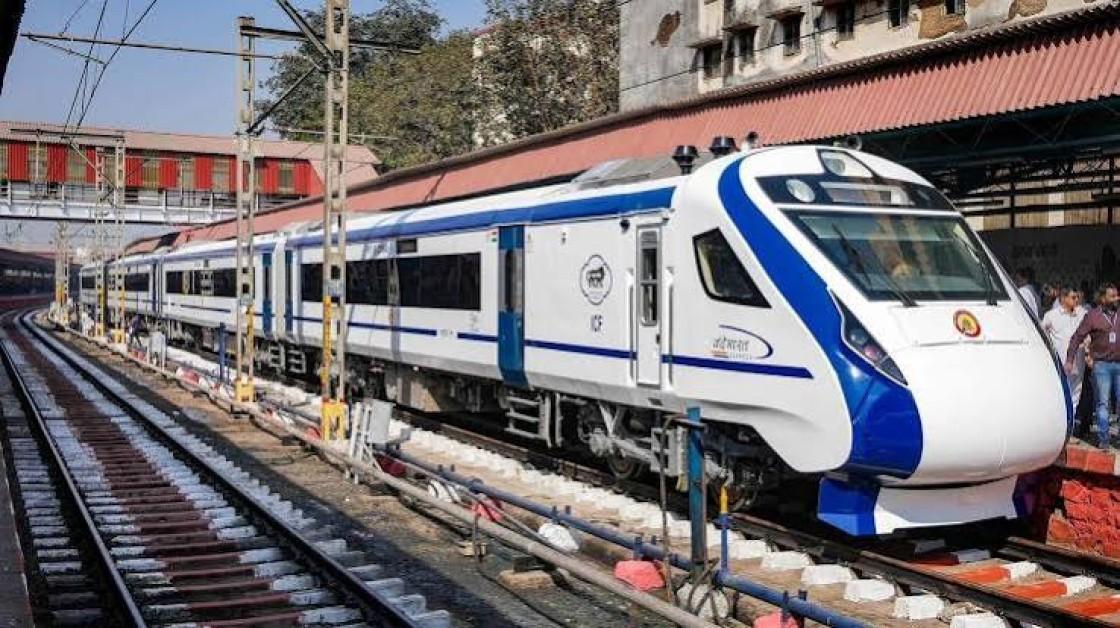
Jupiter Wagons Enters Metro Train and Advanced Railway Technology Manufacturing
Jupiter Wagons Limited (JWL) has executed a framework agreement with South Korea’s Woojin Industrial Systems Co., Ltd. to establish a joint venture for manufacturing complete metro coaches and advanced railway propulsion systems in India.
Announced on November 23, 2026, the partnership marks Jupiter Wagons’ entry into two technology-intensive segments of passenger railway manufacturing, expanding its operations beyond conventional freight wagons and railway components.
Jupiter Wagons will hold an 80% equity stake in the proposed joint venture, while Woojin Industrial Systems will hold the remaining 20%.
The partnership includes comprehensive technology transfer and plans to establish a dedicated manufacturing facility in India with an estimated investment of ₹1,000 crore.
Jupiter Wagons-Woojin Joint Venture: Key Details

|
Particulars |
Details |
|---|---|
|
Indian Partner |
Jupiter Wagons Limited |
|
International Partner |
Woojin Industrial Systems |
|
International Partner Country |
South Korea |
|
Announcement Date |
November 23, 2026 |
|
Jupiter Wagons Shareholding |
80% |
|
Woojin Shareholding |
20% |
|
Estimated Manufacturing Investment |
₹1,000 crore |
|
Primary Manufacturing Segment |
Metro coaches |
|
Additional Business Segment |
Railway propulsion systems |
|
Technology Transfer |
Comprehensive |
|
Manufacturing Location |
Yet to be finalised |
|
NSE Symbol |
JWL |
|
BSE Scrip Code |
533272 |
The investment represents an estimated manufacturing project cost. Detailed capital contribution arrangements and financing structures have not yet been announced.
Jupiter Wagons to Hold Majority Ownership in Joint Venture
The proposed ownership structure provides Jupiter Wagons with majority equity participation in the new railway manufacturing business.
Joint Venture Shareholding Structure
80%
20%
Jupiter Wagons will lead domestic project execution and funding requirements, while Woojin will contribute engineering expertise, technical assistance and proprietary railway technologies.
The two companies intend to jointly participate in metro railway tenders through their consortium and proposed joint venture structure.
₹1,000 Crore Manufacturing Facility Planned in India
The partnership includes plans to establish a dedicated railway manufacturing facility with an estimated investment of approximately ₹1,000 crore.
The facility is expected to support complete metro train manufacturing alongside aluminium car body production and advanced railway component integration.
Domestic manufacturing capabilities could reduce dependence on imported rolling stock and specialised railway equipment while strengthening India's industrial supply chain.
However, the companies have not yet disclosed the final manufacturing location, annual production capacity or commercial commissioning schedule.
Joint Venture to Manufacture Complete Metro Coaches and Critical Components
The collaboration extends beyond conventional railway coach assembly to the manufacturing and integration of critical mechanical, electrical and electronic systems.
|
Manufacturing Segment |
Primary Function |
|---|---|
|
Complete Metro Coaches |
Urban passenger transportation |
|
Propulsion Systems |
Train acceleration, power delivery and braking |
|
Train Control and Management Systems |
Integrated monitoring and operational control |
|
Automatic Door Systems |
Passenger access and safety |
|
Railway Bogies |
Vehicle support, stability and movement |
|
Aluminium Car Body Shells |
Lightweight structural design |
The integrated manufacturing approach could allow Jupiter Wagons to participate in higher-value railway projects requiring complete rolling stock solutions rather than individual components.
Advanced Propulsion Systems to Support Vande Bharat and High-Speed Trains
One of the most strategically important aspects of the partnership is its proposed railway propulsion manufacturing capability.
Propulsion systems regulate how electrical energy is converted into mechanical movement, enabling electric trains to accelerate, maintain operating speeds and recover energy through regenerative braking.
The proposed joint venture will target propulsion requirements across multiple railway categories, including metro systems, Electric Multiple Units (EMUs), Vande Bharat trainsets and semi-high-speed and high-speed railway projects.
These railway categories represent potential commercial markets for the joint venture. The announcement does not constitute confirmation of specific supply contracts for Vande Bharat or high-speed railway projects.
South Korea's Woojin to Transfer Advanced Railway Technology
Woojin Industrial Systems brings more than five decades of railway engineering experience to the partnership.
Its technical capabilities include electric traction, rolling stock manufacturing, integrated train control and advanced passenger railway systems.
The company will transfer technology to the proposed Indian venture, allowing local engineers to undertake product development, manufacturing, testing and maintenance activities.
The arrangement could strengthen India's ability to develop indigenous expertise in advanced passenger railway technologies and reduce dependence on overseas manufacturing capabilities.
Technology localisation could also improve access to maintenance services, engineering support and replacement components over the operating lifetime of railway assets.
Woojin Brings Experience in Metro and High-Speed Railway Systems
Woojin Industrial Systems has an established presence in South Korea's railway manufacturing ecosystem.
Since 2019, the company has received assignments involving more than 2,200 metro and commuter railway cars for South Korean operators.
Its propulsion technology has also been used in South Korea's KTX high-speed railway network.
This experience provides Jupiter Wagons with access to established passenger railway technologies that could be adapted to India's operating requirements.
The commercial success of the technology transfer will depend on domestic engineering capabilities, regulatory certifications, manufacturing quality and successful project execution.
Jupiter Wagons Shares Surge 20% Following Joint Venture Announcement
Jupiter Wagons shares recorded substantial gains during trading on Wednesday, November 25, 2026, following the partnership announcement.
The company's shares reached the 20% upper circuit limit on the National Stock Exchange, touching an intraday price of ₹222.46 compared with the previous closing price of ₹185.39.
The rally followed eight consecutive trading sessions of declines.
Jupiter Wagons Share Price Performance
|
Market Indicator |
Performance |
|---|---|
|
Previous NSE Closing Price |
₹185.39 |
|
Opening Price |
₹192.67 |
|
Intraday Upper Circuit |
₹222.46 |
|
Maximum Intraday Gain |
20% |
|
Morning Trading Volume |
Over 5.84 crore shares |
|
Previous Eight-Session Decline |
Approximately 14% |

The sharp increase in trading activity reflects market attention surrounding Jupiter Wagons' entry into advanced passenger railway manufacturing.
The figures represent intraday market movements rather than final closing prices.
Jupiter Wagons Expands Beyond Conventional Freight Wagon Manufacturing
Jupiter Wagons has traditionally maintained a significant presence in India's freight railway equipment industry.
Its existing manufacturing operations cover railway wagons, wheels, axles, bogies, couplers and other mobility-related engineering products.
The Woojin partnership represents a strategic diversification into passenger rolling stock and advanced electrical railway systems.
Jupiter Wagons' Expanding Business Portfolio
|
Existing Business Capabilities |
Proposed New Capabilities |
|---|---|
|
Freight Wagons |
Complete Metro Trains |
|
Railway Wheels |
Advanced Propulsion Systems |
|
Axles and Wheelsets |
Integrated Train Control |
|
Freight Bogies |
Passenger Railway Systems |
|
Couplers |
Automated Door Systems |
|
Railway Engineering Components |
Aluminium Metro Car Bodies |
The broader manufacturing portfolio could enable Jupiter Wagons to address more stages of the railway equipment value chain.
It could also reduce the company's dependence on its conventional freight wagon business over the longer term.
Aluminium Metro Coaches Could Improve Energy Efficiency
The proposed manufacturing facility will include capabilities for producing aluminium railway car bodies.
Aluminium is widely used in modern passenger railway manufacturing because its relatively low density can reduce structural weight.
Lighter railway vehicles can require less energy during acceleration and may offer improvements in overall operating efficiency.
Potential benefits of aluminium-bodied metro trains include:
-
Reduced overall vehicle weight.
-
Improved energy efficiency.
-
Lower structural corrosion susceptibility.
-
Reduced mechanical loads on selected components.
-
Greater manufacturing design flexibility.
-
Improved material recyclability.
-
Potential lifecycle operating cost advantages.
Actual performance improvements will depend on vehicle design, passenger capacity, operating conditions and maintenance practices.
Partnership Supports India's Make in India Railway Manufacturing Strategy
The Jupiter Wagons-Woojin collaboration aligns with India's broader objective of expanding domestic manufacturing capabilities across strategically important infrastructure industries.
Railway manufacturing localisation has become increasingly important as India invests in metro networks, electrified railway corridors and modern passenger trainsets.
Domestic manufacturing could support the development of specialised engineering capabilities, component supplier networks and skilled industrial employment.
The comprehensive technology transfer arrangement also creates opportunities for Indian engineers to participate in the development and adaptation of advanced railway systems.
However, the extent of domestic value addition will depend on component localisation, intellectual property arrangements and the maturity of India's specialised railway equipment supply chain.
India's Expanding Metro Rail Network Creates Manufacturing Opportunities
India's urban transportation infrastructure continues to expand through new metro rail projects and extensions of existing networks.
Growing urban populations, traffic congestion and increasing demand for efficient public transport have strengthened the need for modern mass transit systems.
Metro railway investments create commercial opportunities across rolling stock manufacturing, signalling systems, electrical equipment, civil engineering and long-term maintenance services.
Domestic manufacturers capable of supplying complete trainsets and critical subsystems could benefit from increasing infrastructure procurement.
Nevertheless, railway contracts remain subject to competitive bidding, technical eligibility requirements, project financing and regulatory approvals.
Railway Propulsion Manufacturing Could Create Long-Term Business Opportunities
Advanced propulsion technology represents a specialised segment within the railway manufacturing industry.
Unlike conventional mechanical components, propulsion systems require expertise in electrical engineering, power electronics, control software and thermal management.
Manufacturers participating in this segment may also develop recurring business opportunities through maintenance, repair, replacement parts and technology upgrades.
For Jupiter Wagons, the proposed capabilities could create additional opportunities across the lifecycle of electric railway vehicles.
Commercial returns will depend on contract awards, product reliability, manufacturing scale and the ability to provide long-term technical support.
Train Control and Management Systems Strengthen Technology Portfolio
Train Control and Management Systems, commonly referred to as TCMS, coordinate and monitor multiple electrical and mechanical functions within modern railway vehicles.
These systems can integrate propulsion, braking, passenger information, door operations, diagnostics and equipment monitoring.
Their increasing importance reflects the broader digital transformation of railway transportation.
Domestic TCMS manufacturing could strengthen India's capabilities in railway automation, fault detection and predictive maintenance.
The addition of these technologies creates opportunities for Jupiter Wagons to expand from mechanical engineering into more technology-intensive railway infrastructure solutions.
Jupiter Wagons Faces Capital Expenditure and Execution Challenges
Although the proposed partnership creates substantial strategic opportunities, establishing advanced railway manufacturing operations involves significant financial and operational commitments.
The estimated ₹1,000 crore investment will require effective capital allocation, manufacturing infrastructure development and specialised workforce preparation.
Important execution considerations include:
-
Finalisation of the manufacturing location.
-
Project financing and capital expenditure management.
-
Technology transfer implementation.
-
Domestic supplier development.
-
Engineering workforce training.
-
Product testing and regulatory certification.
-
Successful participation in competitive railway tenders.
-
Commercial production and delivery schedules.
The company's ability to secure sufficient orders will be particularly important in determining manufacturing capacity utilisation and investment returns.
Implications for India's Railway Manufacturing Industry
The partnership could strengthen competition within India's passenger rolling stock manufacturing market.
Established domestic and international railway manufacturers already participate in metro coach production, passenger train manufacturing and advanced traction equipment supply.
Jupiter Wagons' entry into these segments could increase domestic manufacturing capacity and encourage further investment in specialised railway technologies.
Greater competition may also support improvements in product innovation, procurement efficiency, technological localisation and maintenance services.
However, the industry's development will remain closely linked to infrastructure investment, government procurement policies and the timely execution of railway projects.
India-South Korea Industrial Cooperation Expands Into Railway Technology
The joint venture represents another development in industrial cooperation between Indian and South Korean manufacturing businesses.
South Korea possesses established capabilities across transportation engineering, electronics, industrial automation and advanced manufacturing.
India offers a substantial domestic infrastructure market, expanding industrial capabilities and growing demand for modern transportation equipment.
Combining these complementary strengths could support the development of more integrated railway manufacturing supply chains.
The partnership also highlights the increasing role of international technology collaborations in India's infrastructure-led industrial development.
What Railway Industry Participants Will Monitor Next
The immediate focus will remain on the formal establishment of the joint venture, selection of its manufacturing facility and finalisation of investment arrangements.
Subsequent announcements concerning metro railway tenders, propulsion equipment orders, manufacturing capacity and technology transfer milestones will provide greater clarity regarding the venture's commercial prospects.
The estimated investment, production timelines and potential contract pipeline will remain important indicators of future business performance.
No confirmed order value or projected revenue contribution from the joint venture has been established in the announcement.
Conclusion
Jupiter Wagons' partnership with South Korea's Woojin Industrial Systems represents a significant strategic expansion into India's advanced passenger railway manufacturing industry.
The proposed 80:20 joint venture, supported by an estimated ₹1,000 crore manufacturing investment and comprehensive technology transfer, is intended to develop domestic capabilities in metro coaches, propulsion systems and integrated railway technologies.
The collaboration positions Jupiter Wagons to pursue opportunities across metro rail, Vande Bharat, electric commuter trains and future high-speed railway infrastructure.
Successful technology localisation, competitive contract awards, disciplined capital expenditure and timely manufacturing execution will determine the partnership's long-term commercial contribution.
 Jupiter Wagons and Woojin Form Joint Venture for Railway Manufacturing in India FAQs

POST A COMMENT (0)
All Comments (0)
Replies (0)