





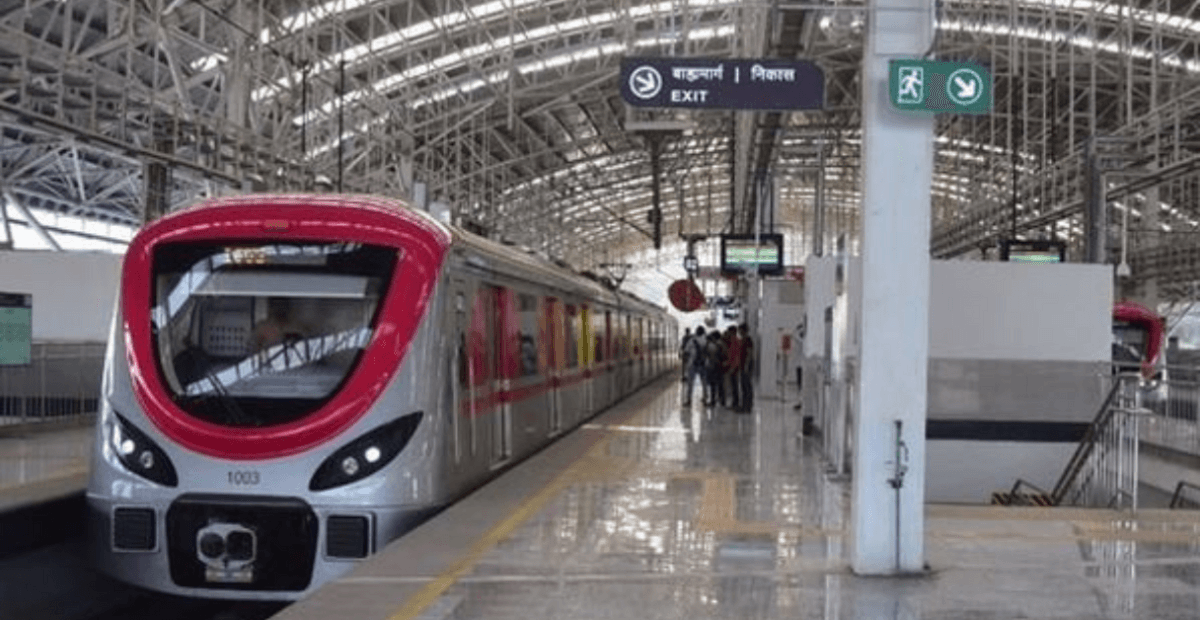
Metro Rail Expansion Reaches New Milestones in Tier-1 Cities
Key infrastructure progress enhances connectivity, reduces traffic load, and accelerates sustainable urban mobility
New Delhi, December 29, 2025: India’s metro rail network is entering a transformative phase as Tier-1 cities register major expansion milestones, strengthening last-mile connectivity and reshaping the nation’s public transportation landscape. New corridors, operational extensions, and advanced rolling-stock upgrades across Delhi, Mumbai, Bengaluru, Chennai, Hyderabad, Pune, and Kolkata are collectively driving seamless mobility and reducing urban transit pressure.
Recent completions include the inauguration of new elevated lines, underground sections, and interconnected multimodal nodes. These developments are expected to ease heavy traffic congestion, shorten travel times, and support economic activity concentrated around business districts, industrial clusters, and educational hubs.
A senior official from the Ministry of Housing and Urban Affairs stated, “Metro expansion is at the heart of India’s next-generation urban development strategy. With each milestone, we move closer to efficient, sustainable, and inclusive mobility for millions of citizens.”
Strengthening Connectivity Across Urban Corridors
India’s largest cities continue to refine their mobility architecture by integrating metro rail with buses, suburban rail, feeder services, and non-motorized pathways. The latest milestones include:
-
Bengaluru: phased operations of new east-west and north-south extensions
-
Mumbai: progress on coastal and elevated corridors connecting business hubs
-
Delhi: increased interchange capacity between operational lines and airport link
-
Chennai: new underground stretches improving central city access
-
Kolkata & Hyderabad: network extensions linking suburban clusters to city centers
Officials confirm that the cumulative metro network length across Tier-1 cities has nearly doubled in under a decade, with further expansions under construction.
Boost to Sustainable Urban Infrastructure
The metro expansion supports India’s broader sustainability goals, with energy-efficient trains, regenerative braking systems, and green-certified stations forming a core part of new infrastructure. Solar-powered stations, wider pedestrian access, and cycling integration have become visible priorities across multiple cities.
A mobility analyst commented, “Metro scalability contributes directly to lowering private vehicle dependency. Every kilometer of metro commissioned strengthens sustainable commuting capacity and urban climate resilience.”
Economic and Social Impact
According to transportation research firms, metro-linked corridors are witnessing rising real-estate valuations, enhanced business development, and improved accessibility for working professionals. The improved connectivity is also enabling:
-
shorter travel times for daily commuters
-
greater employment access for urban and semi-urban populations
-
stronger commercial clustering near major stations
-
reduced reliance on private transport and fossil fuels
These socioeconomic impacts are expected to increase as cities add multimodal integration zones and transit-oriented development models.
Milestones Fuel Next-Decade Ambitions
City planners and infrastructure leaders estimate that the next decade will advance metro connectivity into Tier-2 cities while deepening Tier-1 network saturation. Advanced signaling systems, automated driverless operations, and digital ticketing frameworks are currently being tested across select corridors.
A senior transport engineer working on automated metro trials shared, “India’s metro evolution is shifting from expansion to smart operations. Automation, digital ticketing, and mobility-as-a-service platforms will redefine travel experiences over the coming years.”
Outlook
Experts believe metro expansion will remain a linchpin of India’s urban development roadmap. With sustained capital investments, increased private participation, and greater focus on sustainability, Tier-1 cities are positioned to serve as models for future nationwide mobility transformation.
Priority areas for 2026 include:
-
larger multimodal transit hubs
-
faster network electrification using renewable power
-
interoperability across ticketing systems
-
phased extension into peripheral economic zones
-
integration of metro-to-airport express connectivity
About India’s Metro Network Initiative
India’s metro development program aims to modernize public transport infrastructure, reduce congestion, and improve environmental outcomes. Coordinated at national and state levels, the initiative supports long-term mobility planning aligned with sustainable city growth.
 More Articles for Infrastructure & Real Estate
 Commercial office leasing rebounds strongly across major Indian metro cities
POST A COMMENT (0)
All Comments (0)
Replies (0)