





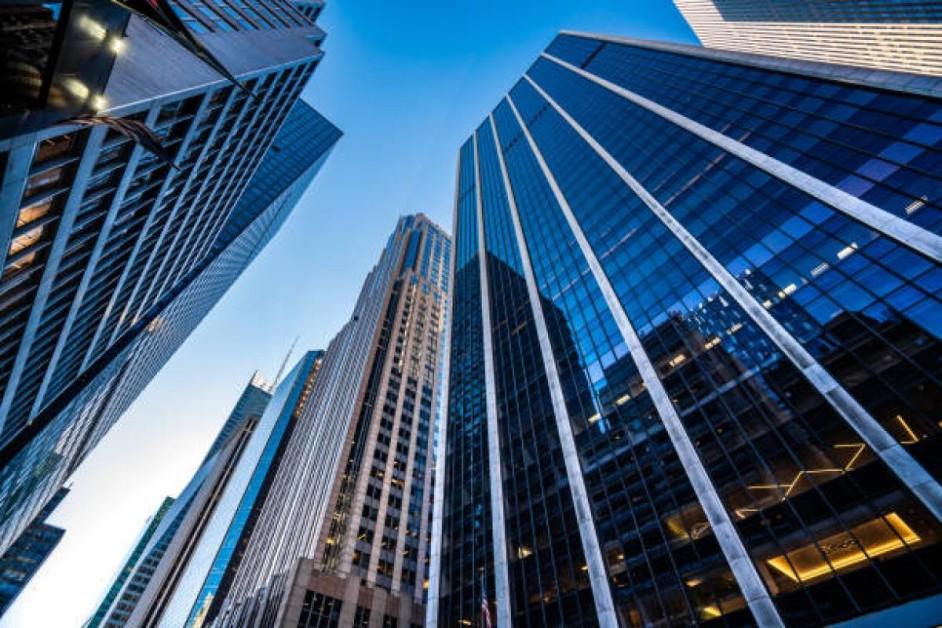
Commercial office leasing across major Indian metro cities has witnessed a strong rebound, signaling renewed confidence in the country’s economic growth and corporate expansion plans. After a prolonged phase of cautious demand due to remote work trends and global uncertainty, businesses are once again committing to physical office spaces, driving a sharp recovery in the commercial real estate sector.
Cities such as Bengaluru, Mumbai, Delhi-NCR, Hyderabad, Chennai, and Pune have emerged as key drivers of this resurgence. These metros continue to attract domestic and global companies due to their strong talent pools, robust infrastructure, and established business ecosystems. Leasing activity has picked up across central business districts as well as emerging peripheral hubs, reflecting broad-based demand.
The technology and IT-enabled services sector remains a major contributor to office leasing growth. As global demand stabilizes and digital transformation accelerates, technology firms are expanding operations and onboarding new talent, leading to increased space requirements. Many companies are adopting hybrid work models, which still require large collaborative office spaces for innovation, training, and team coordination.
Global capability centers established by multinational corporations are also fueling demand. India’s cost competitiveness, skilled workforce, and improving ease of doing business have made it a preferred destination for setting up large operational hubs. These centers often lease high-quality office spaces on long-term contracts, providing stability to the commercial real estate market.
Another key factor behind the rebound is the rise of flexible and managed office spaces. Coworking operators and flexible workspace providers are witnessing strong demand from startups, small businesses, and even large enterprises seeking agility in real estate commitments. This trend has diversified leasing activity and expanded occupancy across different segments of the market.
Corporate confidence has improved due to stable macroeconomic conditions, strong domestic consumption, and continued government investment in infrastructure. Improved transport connectivity, metro rail expansions, and new business corridors have enhanced the attractiveness of office locations, encouraging companies to lock in space for future growth.
From an investor perspective, the rebound in office leasing has strengthened the outlook for commercial real estate assets. Higher occupancy rates, stable rental yields, and long-term lease agreements are improving cash flow visibility for developers and institutional investors. This has also supported increased interest in real estate investment trusts focused on office assets.
Sustainability and quality have become important considerations in leasing decisions. Tenants are increasingly prioritizing green-certified buildings, energy-efficient designs, and wellness-focused amenities. Developers are responding by upgrading existing assets and launching new projects aligned with global sustainability standards.
Despite the strong recovery, challenges remain. Rising construction costs, evolving workplace preferences, and global economic risks require careful planning by both occupiers and developers. However, industry experts believe that demand fundamentals remain strong, supported by India’s long-term growth story and expanding corporate base.
The strong rebound in commercial office leasing across major Indian metros marks a decisive shift from pandemic-era uncertainty to renewed optimism. As businesses continue to expand and adapt to new work models, the commercial real estate sector is poised to remain a key pillar of India’s urban economic growth.
 Related News
POST A COMMENT (0)
All Comments (0)
Replies (0)