





By Naina, 15th June 2026
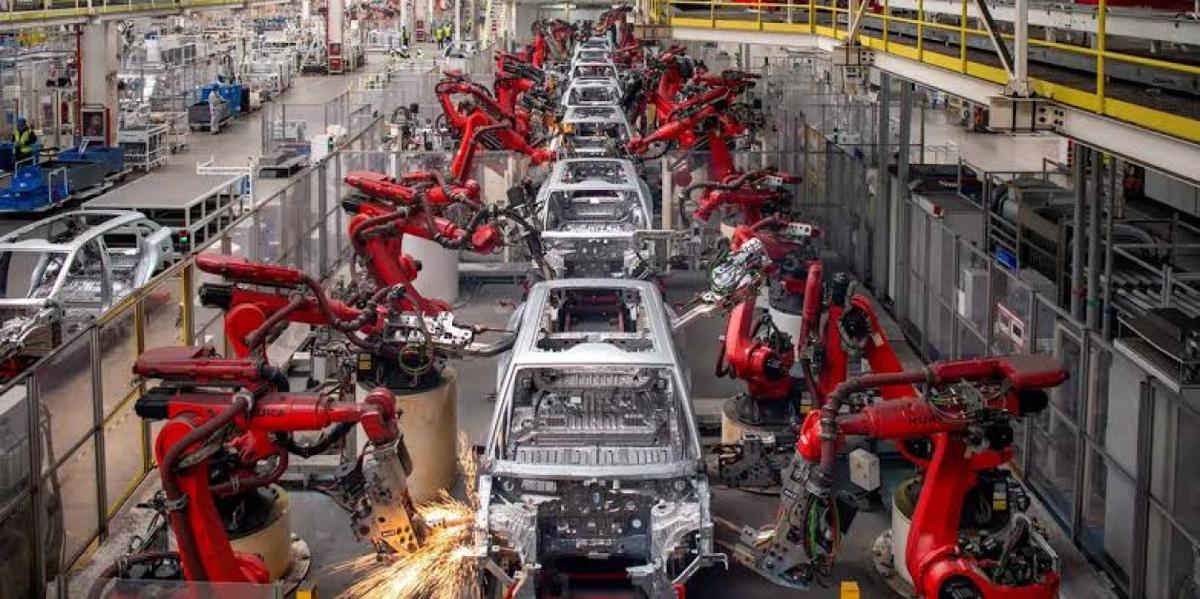
The Indian automobile industry has emerged as one of the most consequential industrial sectors of the contemporary Indian economy, and the cumulative architecture through which the broader Indian automobile activity operates represents one of the most comprehensive automotive ecosystems globally. For most of the modern history of Indian industrial activity, the automobile industry operated through recognisable patterns that earlier generations of Indian industrial policy progressively refined. The current cycle has produced a fundamentally mature Indian automobile industry that operates through a comprehensive structural architecture comprising the broader range of original equipment manufacturers, the comprehensive auto components ecosystem, the multiple manufacturing clusters across India, the rising electric vehicle transition, the broader range of supporting institutional infrastructure and the cumulative range of additional dimensions that constitute the contemporary Indian automobile industry. The India automobile market size is expected to grow from approximately 137.06 billion US dollars in 2025 to 147.58 billion in 2026 and is forecast to reach 213.74 billion by 2031 at a 7.69 percent compound annual rate over 2026 to 2031. India's automobile industry finished 2025 with record yearly sales of approximately 26.8 million vehicles, with passenger vehicles selling 44.9 lakh units, commercial vehicles 10.27 lakh units, and exports also climbing with car exports rising 16 percent to 8.63 lakh units.
What sits beneath these aggregate figures is a deeper structural transformation in how the Indian automobile industry operates. The combination of the rising integration of electric vehicle capability across the broader industry, the broader expansion of manufacturing capacity by major Indian and international automotive companies, the rising significance of Indian automobile exports in global automotive trade and the cumulative impact of multiple converging developments on the broader Indian automobile ecosystem has produced an industry structure that has progressively rebuilt the operational architecture of contemporary Indian automobile activity. This analysis surveys the comprehensive structure of the Indian automobile industry, examining each dimension of the broader industry architecture and the cumulative range of structural considerations.
The Industry Overview
The Indian automobile industry has emerged as one of the most consequential industrial sectors globally. The combination of the comprehensive industry scale, the broader integration of multiple automotive segments and the cumulative impact on Indian economic activity has positioned the Indian automobile industry as one of the central pillars of Indian industrial activity. The industry contributes approximately 7.1 percent to India's GDP and approximately 49 percent to the broader manufacturing GDP, reflecting the broader institutional significance of the industry.
The strategic significance of the Indian automobile industry extends beyond the immediate economic contribution. The combination of the broader integration of the automobile industry into Indian industrial activity, the rising significance of the automobile industry in Indian employment generation with the industry directly and indirectly employing approximately 37 million people and the cumulative impact on Indian economic activity has reinforced the broader strategic significance. The continued evolution of the Indian automobile industry, alongside the broader range of supporting industrial developments, will continue to shape the broader Indian industrial landscape.
The global positioning of the Indian automobile industry has been particularly consequential. India has emerged as one of the largest automobile markets globally, with the broader integration of Indian automotive manufacturing into global automotive value chains. The combination of India's global automotive positioning, the broader integration of Indian automotive capability into global supply chains and the cumulative impact on global automotive activity has positioned India as one of the most consequential automotive geographies globally.
The Passenger Vehicle Segment
The passenger vehicle segment has emerged as one of the most consequential dimensions of the Indian automobile industry. With passenger vehicles selling 44.9 lakh units in 2025, the broader passenger vehicle market has progressively positioned itself as one of the central segments of the broader Indian automobile industry. The combination of the rising Indian middle-class disposable income, the broader expansion of organised dealership networks, the rising significance of SUVs in the broader Indian passenger vehicle market and the cumulative impact on Indian consumer behaviour has produced passenger vehicle dynamics that have progressively transformed the broader Indian automobile market.
Maruti Suzuki India has remained the dominant player in the Indian passenger vehicle market. With a market share of approximately 39.6 percent in the recent periods, Maruti has progressively maintained its leadership position through the broader integration of cost leadership through lightweight platforms and vendor co-location. The combination of Maruti's product portfolio breadth, the broader integration of value-positioned products and the cumulative impact on the Indian passenger vehicle market has reinforced Maruti's broader market leadership. In February 2026, Maruti Suzuki India reported record monthly sales supported by growing market share in the mid-sized SUV category and the commissioning of new manufacturing lines.
Tata Motors has emerged as one of the most consequential challengers to Maruti's dominance. With a market share of approximately 15 percent and significant growth momentum, Tata Motors has progressively built one of the most comprehensive passenger vehicle portfolios in the broader Indian market. The combination of Tata's distinctive positioning in electric vehicles, the broader integration of modular EV architectures across passenger and commercial lines, the rising significance of Tata's design and feature differentiation and the cumulative impact on the Indian passenger vehicle market has reinforced Tata's broader market positioning. In March 2026, Tata Motors saw bookings for its new Sierra SUV surpassing the one hundred thousand unit mark, highlighting the broader demand for Tata SUV offerings.
Mahindra and Mahindra has emerged as one of the most consequential players in the Indian passenger vehicle market, particularly in the SUV segment. With a market share of approximately 13.9 percent and significant growth momentum at approximately 23.3 percent, Mahindra has progressively built one of the most distinctive SUV portfolios in the broader Indian market. The combination of Mahindra's distinctive positioning in robust SUVs, the broader integration of advanced technology including electric vehicle capability and the cumulative impact on the Indian SUV market has reinforced Mahindra's broader market positioning. In February 2026, Mahindra and Mahindra announced a 15,000 crore rupee investment to set up an auto and tractor manufacturing plant in Nagpur, Maharashtra, supporting both ICE and electric vehicles.
Hyundai Motor India has remained one of the most consequential foreign manufacturers in the Indian passenger vehicle market. The combination of Hyundai's distinctive positioning in design and feature differentiation, the broader integration of Hyundai's product portfolio into the Indian market and the cumulative impact on Indian passenger vehicle activity has positioned Hyundai as one of the consequential players in the broader Indian passenger vehicle market.
The broader range of additional passenger vehicle manufacturers including Toyota, Kia, Honda, Skoda, Volkswagen, Renault, Nissan, MG Motor, BYD, VinFast and the broader range of additional players has continued to shape the broader Indian passenger vehicle market. The combination of these manufacturers, the broader integration of multiple foreign manufacturers into the Indian market and the cumulative impact on the broader Indian passenger vehicle activity has produced a comprehensive passenger vehicle competitive landscape.
The Two-Wheeler Segment
The two-wheeler segment has emerged as one of the most consequential dimensions of the Indian automobile industry. The combination of the rising significance of two-wheelers in Indian transportation, the broader integration of two-wheelers into Indian consumer behaviour and the cumulative impact on the broader Indian automobile market has positioned two-wheelers as one of the central segments of the broader Indian automobile industry.
Hero MotoCorp has emerged as one of the most consequential players in the broader Indian two-wheeler market. The combination of Hero's market leadership in motorcycles, the broader integration of Hero's product portfolio into the Indian market and the cumulative impact on Indian two-wheeler activity has positioned Hero as one of the consequential players in the broader Indian two-wheeler market.
Bajaj Auto has emerged as another consequential player in the broader Indian two-wheeler market. The combination of Bajaj's distinctive positioning in motorcycles and three-wheelers, the broader integration of Bajaj's product portfolio and the cumulative impact on Indian two-wheeler activity has positioned Bajaj as one of the consequential players in the broader Indian market.
The broader range of additional two-wheeler manufacturers including TVS Motor Company, Honda Motorcycle and Scooter India, Royal Enfield (under Eicher Motors), Suzuki Motorcycle India, Yamaha Motor India and the broader range of additional players has continued to shape the broader Indian two-wheeler market. The electric two-wheeler segment has emerged as one of the most consequential growth categories within the broader two-wheeler market, with Ola Electric, Ather Energy, TVS Motor Company's electric offerings, Bajaj Auto's electric offerings, Hero MotoCorp's electric offerings through the Vida brand and the broader range of additional electric two-wheeler players progressively expanding the broader electric two-wheeler activity. In February 2026, Yamaha launched its first Indian electric scooter, the EC-06, priced at 1.67 lakh rupees with a 169 kilometre range, reflecting the broader expansion of electric two-wheeler offerings.
The Commercial Vehicle Segment
The commercial vehicle segment has emerged as one of the most consequential dimensions of the broader Indian automobile industry. With commercial vehicles selling 10.27 lakh units in 2025, the broader commercial vehicle market has progressively positioned itself as one of the central segments of the broader Indian automobile industry.
Tata Motors has emerged as the dominant player in the broader Indian commercial vehicle market. The combination of Tata's distinctive positioning across multiple commercial vehicle categories including light, medium and heavy commercial vehicles, the broader integration of Tata's commercial vehicle portfolio into the Indian market and the cumulative impact on Indian commercial vehicle activity has positioned Tata Motors as the dominant player.
Ashok Leyland has emerged as another consequential player in the broader Indian commercial vehicle market. The combination of Ashok Leyland's distinctive positioning in heavy commercial vehicles, the broader integration of Ashok Leyland's product portfolio and the cumulative impact on Indian commercial vehicle activity has positioned Ashok Leyland as one of the consequential players. In January 2026, Ashok Leyland inaugurated an electric vehicle manufacturing plant in Lucknow, Uttar Pradesh, marking a major step in its clean mobility push.
The broader range of additional commercial vehicle manufacturers including Mahindra and Mahindra's commercial vehicle offerings, Eicher Motors through the VECV joint venture, Force Motors and the broader range of additional players has continued to shape the broader Indian commercial vehicle market.
The Tractor Segment
The tractor segment has emerged as one of the most distinctive dimensions of the broader Indian automobile industry. The combination of India's position as the world's largest tractor market, the broader integration of tractors into Indian agriculture and the cumulative impact on Indian rural activity has positioned tractors as one of the consequential segments of the broader Indian automobile industry.
Mahindra and Mahindra has emerged as the dominant player in the broader Indian tractor market. The combination of Mahindra's market leadership in tractors, the broader integration of Mahindra's tractor portfolio into Indian agriculture and the cumulative impact on Indian tractor activity has positioned Mahindra as the dominant player.
Tractors and Farm Equipment Limited (TAFE), Escorts Kubota and the broader range of additional tractor manufacturers have continued to shape the broader Indian tractor market. The continued evolution of Indian tractors, alongside the broader integration of advanced agricultural technology, will continue to shape the broader Indian tractor segment.
The Auto Components Ecosystem
The auto components ecosystem has emerged as one of the most consequential dimensions of the broader Indian automobile industry. The Indian auto components industry includes the broader range of Tier 1 suppliers serving the original equipment manufacturers directly, the broader Tier 2 and Tier 3 suppliers serving the broader components value chain and the cumulative impact on the broader Indian automotive supply chain.
The strategic significance of the auto components ecosystem extends beyond the immediate components supply. The combination of the rising significance of auto components in Indian automotive export activity, with more than 25 percent of the auto parts produced in India being exported, the broader integration of Indian auto components into global automotive supply chains and the cumulative impact on Indian automotive positioning has reinforced the broader strategic significance.
The Automotive Component Manufacturers Association (ACMA) represents the broader Indian auto components industry. The combination of ACMA's institutional positioning, the broader integration of ACMA into Indian automotive industry coordination and the cumulative impact on Indian auto components activity has reflected the broader industry architecture.
The localisation dimension has been particularly consequential. The Indian auto industry is investing approximately 7 billion US dollars by FY28 to increase the localisation of sophisticated components such as electric motors and automatic gearboxes, reflecting the broader strategic shift toward localisation. The combination of the rising significance of localisation, the broader integration of supply chain resilience considerations and the cumulative impact on Indian automotive supply chain has reinforced the broader localisation emphasis. The auto component industry reduced imports by 5.8 percent in 2023 over a two-year period, reflecting the broader localisation progress.
The Manufacturing Clusters
The Indian automobile manufacturing has progressively concentrated in multiple consequential clusters across India. The combination of the Chennai cluster known as the Detroit of India, the Pune cluster, the Gurgaon-NCR cluster, the Sanand cluster in Gujarat, the Pithampur cluster in Madhya Pradesh and the broader range of additional clusters has produced a comprehensive manufacturing cluster architecture.
The Chennai cluster has emerged as one of the most consequential automotive manufacturing clusters in India. The combination of Ford India's earlier presence (subsequently exited), Hyundai's manufacturing facility, Renault-Nissan's manufacturing facility, Daimler's commercial vehicle manufacturing, the broader range of additional automotive manufacturing in the Chennai cluster, the recent Tata Motors-JLR luxury car manufacturing plant inauguration in Ranipet, Tamil Nadu in February 2026 with a 9,000 crore rupee investment and the cumulative impact on Indian automotive activity has positioned Chennai as one of the most consequential automotive manufacturing clusters.
The Pune cluster has emerged as another consequential automotive manufacturing cluster. The combination of Tata Motors' manufacturing presence, Mahindra and Mahindra's Chakan facility, Bajaj Auto's manufacturing presence, the broader range of additional automotive manufacturing in the Pune cluster and the cumulative impact on Indian automotive activity has positioned Pune as one of the consequential automotive manufacturing clusters.
The Gurgaon-NCR cluster has emerged as another consequential automotive manufacturing cluster. The combination of Maruti Suzuki's manufacturing facilities at Gurgaon and Manesar, Honda's manufacturing presence, the broader range of additional automotive manufacturing in the NCR cluster and the cumulative impact on Indian automotive activity has positioned NCR as one of the consequential automotive manufacturing clusters.
The Sanand cluster in Gujarat has emerged as one of the most rapidly expanding automotive manufacturing clusters. The combination of Tata Motors' Sanand facility, Ford India's earlier facility (subsequently transferred to Tata Motors), the broader range of additional automotive activity in the Sanand cluster and the cumulative impact on Indian automotive activity has positioned Sanand as one of the consequential automotive manufacturing clusters.
The broader range of additional manufacturing clusters including the Pithampur cluster in Madhya Pradesh, the Aurangabad cluster, the Thoothukudi cluster in Tamil Nadu hosting VinFast's manufacturing facility and the broader range of additional automotive activity across multiple Indian states has continued to shape the broader Indian automotive manufacturing landscape.
The Electric Vehicle Transition
The electric vehicle transition has emerged as one of the most consequential dimensions of the broader Indian automobile industry transformation. The combination of the rising significance of electric vehicles across multiple segments, the broader integration of policy support including FAME India and PLI for advanced chemistry cell batteries and the cumulative impact on Indian automotive activity has produced electric vehicle dynamics that have progressively transformed the broader Indian automobile industry.
India's EV sector has expanded significantly, with EV passenger vehicle sales surging approximately 347.3 percent in year-to-date figures up to April, though still constituting only 4.6 percent of the total car market, highlighting both the rapid growth and the broader scope for further expansion. The combination of the rapid EV growth, the broader integration of EV infrastructure development and the cumulative impact on Indian automotive activity has reinforced the strategic significance of the EV transition.
The major Indian EV manufacturers include Tata Motors leading the passenger EV market, Mahindra with its Born Electric platform, MG Motor India with its EV offerings, BYD India with its EV portfolio, VinFast through Green SM and broader passenger vehicle activity and the broader range of additional EV manufacturers. The combination of these manufacturers, the broader integration of EV capability into the Indian automotive market and the cumulative impact on Indian EV activity has produced a comprehensive EV competitive landscape.
The EV two-wheeler dimension has been particularly consequential. The combination of Ola Electric, Ather Energy, the broader range of established two-wheeler manufacturers expanding into EV including TVS, Bajaj, Hero and the cumulative impact on Indian EV activity has positioned the EV two-wheeler segment as one of the most rapidly growing EV categories.
The Export Activity
The Indian automobile export activity has emerged as one of the most consequential dimensions of the broader Indian automobile industry. With car exports rising 16 percent to 8.63 lakh units in 2025, the broader export activity has progressively reinforced the global positioning of the Indian automobile industry. The combination of the rising export significance, the broader integration of Indian automotive manufacturing into global supply chains and the cumulative impact on global automotive activity has positioned Indian automotive exports as one of the consequential dimensions of the broader Indian automobile industry.
The major export destinations for Indian automotive products include Europe accounting for 6.89 billion US dollars of total exports, followed by North America at 6.19 billion and Asia at 5.15 billion, reflecting the broader geographic distribution of Indian automotive exports.
The Policy Framework
The policy framework supporting the Indian automobile industry has emerged as one of the most consequential dimensions of the broader industry architecture. The combination of the FAME India scheme supporting electric vehicle adoption, the PLI scheme for advanced chemistry cell batteries, the broader PLI scheme for automotive components, the vehicle scrappage policy and the broader range of supporting policy initiatives has provided the comprehensive policy framework that has supported the broader Indian automobile industry.
The institutional framework includes the Ministry of Heavy Industries overseeing the broader automotive policy framework, the Ministry of Road Transport and Highways governing automotive regulations including the Bharat Stage emission norms, the Automotive Research Association of India providing testing and certification services and the broader range of supporting institutional infrastructure.
The Industry Associations
The industry associations have emerged as one of the most consequential dimensions of the broader Indian automobile industry. The combination of the Society of Indian Automobile Manufacturers (SIAM) representing the broader automotive manufacturers, the Automotive Component Manufacturers Association (ACMA) representing the auto components industry, the Federation of Automobile Dealers Associations (FADA) representing the dealership network and the broader range of additional industry associations has reflected the broader institutional architecture supporting the Indian automobile industry.
The Risks and the Frictions
Several risks warrant clear recognition. The first is the global economic dimension. The Indian automobile industry remains subject to global economic dynamics that affect both export activity and domestic demand. The continued integration of global economic considerations into industry planning will be central to addressing this risk.
The second risk is the EV transition execution dimension. The broader EV transition requires substantial execution capability across multiple dimensions including manufacturing, charging infrastructure and consumer adoption. The continued investment in EV transition capability will be central to addressing this risk.
The third risk is the supply chain dimension. The broader dependence on imported components including semiconductors has produced supply chain risk considerations. The continued investment in localisation will be central to addressing this risk.
The fourth risk is the regulatory dimension. The continued evolution of automotive regulations across emission standards, safety requirements and the broader range of regulatory considerations has produced regulatory dynamics that affect Indian automotive industry operations.
The Direction of Travel
The Indian automobile industry structure represents one of the most consequential industrial sectors of contemporary Indian economic activity. The combination of the comprehensive industry overview, the passenger vehicle segment, the two-wheeler segment, the commercial vehicle segment, the tractor segment, the auto components ecosystem, the manufacturing clusters, the electric vehicle transition, the export activity, the policy framework, the industry associations and the broader range of additional structural dimensions has produced an Indian automobile industry that has progressively built the broader institutional architecture supporting Indian automotive activity. The implications run through every dimension of Indian automotive activity, of the broader Indian industrial landscape and of the cumulative architecture of contemporary Indian economic activity.
For India specifically, the automobile industry has positioned the country at the centre of one of the most consequential industrial sectors globally. The country's combination of the comprehensive industry scale, the rising integration of advanced technology including electric vehicle capability, the broader maturation of the auto components ecosystem and the cumulative impact on Indian automotive activity has produced industrial conditions that earlier generations of Indian automotive activity could not have approached. The continued evolution of the Indian automobile industry, supported by the broader range of policy and infrastructure developments, will continue to shape both the Indian industrial landscape and the broader global automotive activity.
The longer-term implications extend beyond the immediate industry considerations. The Indian automobile industry has fundamentally shaped the architecture of Indian industrial activity. The traditional Indian industrial environment, anchored on the broader range of established industrial sectors, has been progressively complemented by the comprehensive automobile industry architecture that has fundamentally positioned India as one of the most consequential automotive geographies globally. The implications for Indian industrial competitiveness, for the broader Indian export activity and for the cumulative architecture of Indian industrial development have been substantial.
The decisions being made now, by the operational leadership of Indian automobile companies, by the broader range of institutional actors shaping the industry evolution and by the cumulative range of stakeholders engaging with the Indian automobile industry, will continue to shape the trajectory of Indian automotive activity for the next generation. The Indian automobile industry is no longer a peripheral consideration of Indian industrial activity. It has become the structural reality of contemporary Indian industrial activity, the principal manufacturing sector through which significant portions of Indian industrial output flow and one of the most consequential dimensions of India's broader industrial transformation. The transformation has progressed. The structural change is real. The implications, for Indian industrial competitiveness, for the broader Indian economic activity and for the cumulative architecture of Indian industrial development, will continue to develop through the rest of the present year and beyond.
The Indian automobile industry structure has emerged as one of the most consequential dimensions of contemporary Indian industrial activity, and its continued evolution will reshape the broader trajectory of Indian automotive activity for the generation to come. The work of building and developing the Indian automobile industry continues, and the next chapter of Indian automotive activity is being written, in real time, in the manufacturing facilities being expanded across India, in the electric vehicle transition progressively transforming the broader industry, in the cumulative range of policy and institutional developments supporting the industry and in the broader range of automotive activity that has progressively built the broader Indian industrial ecosystem. The Indian automobile industry has emerged as one of the most consequential industrial sectors of contemporary Indian economic activity, and its continued development will reshape the broader trajectory of Indian industrial competitiveness, the cumulative architecture of Indian industrial activity and the broader Indian positioning in the global automotive landscape for the generation to come.
 Related News
POST A COMMENT (0)
All Comments (0)
Replies (0)