





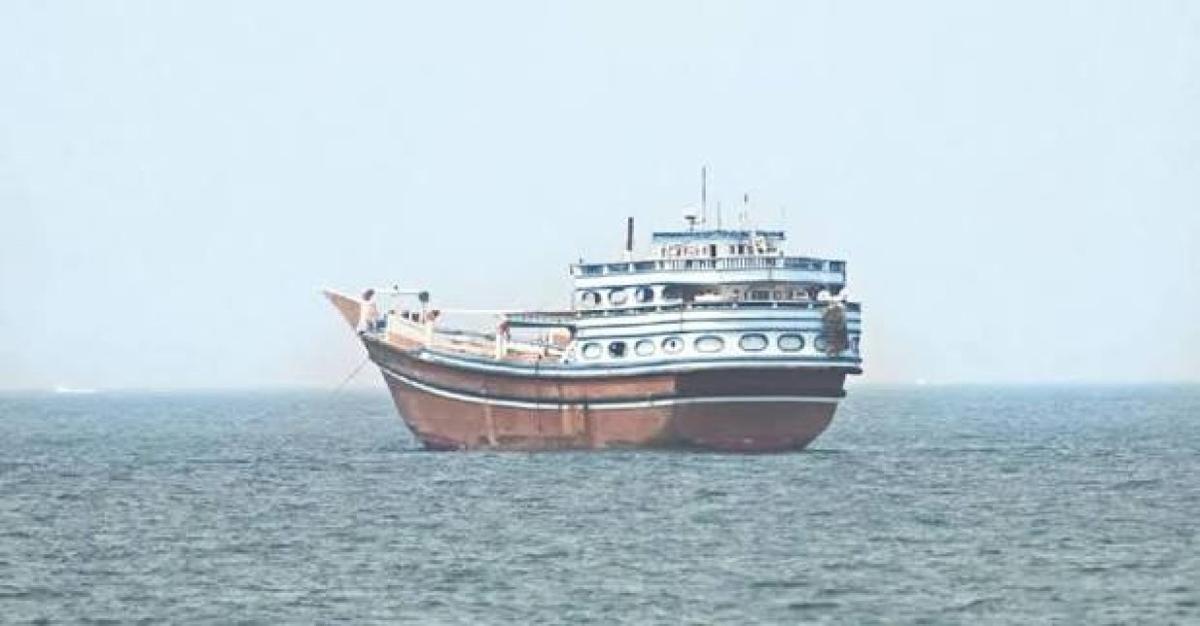
India Plans to Add 100 Ships to Merchant Fleet Over Five Years
India is preparing to add about 100 ships to its merchant fleet over the next five years, as the country seeks to expand domestic shipping capacity, reduce its dependence on foreign vessels and retain a larger share of the enormous freight payments generated by India's international trade.
The expansion is expected to involve major public-sector companies including Shipping Corporation of India, Indian Oil Corporation and other state-controlled enterprises, with the government encouraging coordinated procurement and long-term cargo arrangements to support Indian-owned and Indian-flagged vessels.
The proposed fleet addition comes as India attempts to transform its maritime sector from primarily a port-development story into a broader shipping and shipbuilding strategy.
India has rapidly expanded port capacity and logistics infrastructure, but a substantial share of the country's international cargo continues to be carried by foreign shipping companies.
Adding 100 vessels would therefore represent more than a fleet expansion.
It would form part of a larger attempt to build domestic maritime capacity across shipping, shipbuilding, cargo aggregation, financing and logistics.
India Wants 100 Additional Ships in Five Years

The proposed programme targets the addition of approximately:
100 ships
over:
five years.
The vessels would expand India's merchant shipping capacity across strategically important cargo categories.
Depending on final procurement plans, these could include vessels serving:
energy,
bulk commodities,
containers,
and other commercial cargo.
The exact vessel mix will be determined by commercial requirements and the cargo commitments available to Indian shipping companies.
Merchant Ships Carry Commercial Cargo
A merchant fleet consists of civilian commercial vessels used to transport:
goods,
commodities,
energy products,
and containers.
It is different from a naval fleet.
Merchant ships support trade rather than military operations.
However, a large domestic merchant fleet can also have strategic importance because it provides a country with greater control over critical supply chains.
India’s Trade Depends Heavily on Shipping
Most global merchandise trade by volume moves by sea.
India is no exception.
The country imports and exports enormous quantities of:
crude oil,
petroleum products,
coal,
iron ore,
fertilisers,
food commodities,
manufactured products,
and containerised goods.
Without maritime transport, large parts of India's economy could not function at their current scale.
Foreign Ships Carry Much of India’s Cargo
Despite India's large trade volumes, foreign shipping lines carry a substantial proportion of the country's international cargo.
That means Indian importers and exporters pay significant freight charges to overseas shipping companies.
From a national economic perspective, this represents a large services outflow.
Expanding Indian shipping capacity could allow more of that freight income to remain within the domestic economy.
India Wants to Reduce Freight Dependence
The strategic objective is not necessarily to eliminate foreign shipping companies.
India's trade is too large and internationally integrated for that to be realistic or desirable.
Instead, policymakers want Indian shipping companies to capture a larger share of the country's own cargo.
A larger domestic fleet could create more competition and reduce excessive reliance on overseas carriers.
Energy Shipping Is Particularly Important
India is one of the world's largest energy importers.
Large quantities of:
crude oil,
liquefied petroleum gas,
coal,
and other energy commodities
arrive through maritime routes.
Energy shipping therefore has both commercial and strategic importance.
This helps explain why Indian Oil Corporation and other energy companies could play an important role in the fleet-expansion programme.
Indian Oil Corporation Could Support Vessel Demand
Indian Oil Corporation imports and transports enormous volumes of crude and petroleum products.
Long-term cargo requirements can provide predictable demand for shipping companies.
If a major public-sector energy company commits cargo to Indian vessels, it can improve the economics of purchasing new ships.
This is important because shipowners need confidence that vessels will remain commercially employed over their operating lives.
Shipping Corporation of India Could Play Central Role
The Shipping Corporation of India is India's major state-controlled shipping enterprise.
Its fleet and maritime expertise position it naturally within the government's expansion plans.
SCI operates across multiple shipping segments and has decades of experience in international maritime transport.
Fleet expansion could strengthen its ability to carry a larger proportion of India's strategic cargo.
Long-Term Cargo Contracts Can Make Ship Purchases Viable
Ships are expensive assets.
Depending on the vessel type, a new commercial ship can require substantial upfront investment.
A shipping company is more likely to order a vessel if it knows cargo will be available.
Long-term charter or cargo commitments can therefore provide the revenue visibility needed to secure financing.
Government Can Aggregate PSU Cargo
One possible strategy is to combine shipping demand from multiple public-sector companies.
Instead of each enterprise arranging international shipping independently, cargo volumes can be aggregated.
That larger demand pool can support:
fleet planning,
ship financing,
and long-term procurement.
Cargo aggregation can therefore become an important tool for creating scale.
India Is Also Building a Container Shipping Strategy
India has been working on plans to establish and expand domestic container-shipping capacity.
Container shipping is particularly important for:
manufactured exports,
electronics,
engineering goods,
textiles,
pharmaceuticals,
and consumer products.
Foreign carriers currently dominate many of India's international container routes.
Building domestic capacity could reduce that concentration.
Bharat Container Shipping Line Forms Part of Broader Strategy
The proposed Bharat Container Shipping Line represents another element of India's maritime ambitions.
A strong domestic container carrier could connect Indian ports with major global trade routes.
That could support exporters while giving India greater influence over shipping connectivity.
The 100-ship expansion programme should therefore be viewed within a broader maritime-capacity strategy rather than as an isolated procurement plan.
India’s Ports Have Expanded Rapidly
India has invested heavily in ports over the past decade.
Major ports have increased:
capacity,
mechanisation,
digitalisation,
and cargo-handling efficiency.
Private ports have also become increasingly important.
But ports represent only one part of maritime logistics.
Cargo still needs ships to move between countries.
Port Capacity Without Shipping Capacity Leaves a Gap
A country can build world-class ports while remaining dependent on foreign vessels.
That means the physical gateway is domestic but the transportation service is largely foreign.
India's next maritime development phase increasingly focuses on closing that gap.
The strategy therefore links:
ports,
shipping,
shipbuilding,
and logistics.
Shipbuilding Could Benefit From Fleet Expansion
Adding 100 ships creates a major industrial opportunity.
If even part of the fleet is constructed in India, domestic shipyards could receive substantial orders.
Shipbuilding supports a broad manufacturing ecosystem.
A commercial vessel requires:
steel,
engines,
electrical systems,
navigation equipment,
pumps,
communication systems,
and specialised marine components.
This creates economic activity far beyond the shipyard itself.
Shipbuilding Has Large Supply-Chain Effects
One ship order can support hundreds of suppliers.
These can include companies producing:
marine equipment,
cables,
valves,
electronics,
coatings,
and safety systems.
A sustained vessel-ordering programme can therefore create an industrial ecosystem rather than a temporary construction boom.
India Wants to Become Major Shipbuilding Nation
India has identified shipbuilding as a strategic manufacturing opportunity.
The country's long coastline, engineering base and growing domestic cargo volumes provide several advantages.
However, Indian shipyards compete with established global leaders including:
China,
South Korea,
and Japan.
Those countries benefit from enormous scale and mature supplier ecosystems.
Domestic Orders Can Help Indian Shipyards Scale
One of the challenges facing emerging shipbuilding industries is lack of predictable demand.
Shipyards need continuous orders to maintain:
skilled workers,
supplier networks,
and production efficiency.
A multi-year domestic fleet programme can provide that demand.
This could allow Indian shipyards to invest in larger facilities and improve productivity.
Not All 100 Ships Will Necessarily Be Built in India
The fleet requirement and domestic shipbuilding objective are related but not identical.
Indian shipping companies may need vessels quickly.
Domestic shipyards may not immediately have the capacity or commercial competitiveness to build every required ship.
Some vessels could therefore be purchased or constructed overseas.
The long-term policy objective would be to increase India's domestic share progressively.
Financing Ships Is a Major Challenge
Ships require long-term capital.
A vessel may operate for 20 years or more.
Financing therefore needs to match the asset's economic life.
Indian shipping companies have historically faced challenges accessing competitively priced long-duration financing.
Improving maritime finance will be critical if the country wants to expand its fleet significantly.
Foreign Shipowners Often Have Cheaper Capital
Large global shipping companies can access:
international banks,
bond markets,
leasing companies,
and specialised maritime financiers.
Their cost of capital can be lower than that available to smaller Indian shipowners.
This creates a competitive disadvantage.
India's maritime strategy therefore needs financing reforms alongside ship procurement.
Maritime Development Fund Could Support Investment
India has been developing mechanisms to expand financing for:
shipping,
shipbuilding,
and maritime infrastructure.
A dedicated maritime financing ecosystem could reduce dependence on conventional bank loans.
Long-term institutional capital is particularly suited to ships because the assets generate revenue over many years.
Leasing Could Become Important
Companies do not always need to purchase vessels outright.
Ship leasing can allow operators to use vessels while spreading payments over time.
India's financial centres and maritime-financing initiatives could potentially support a larger domestic leasing market.
This could reduce the upfront capital burden for fleet expansion.
GIFT City Could Support Maritime Finance
GIFT International Financial Services Centre has the potential to become a hub for maritime financing and leasing.
An international financial centre can provide:
foreign-currency financing,
leasing structures,
insurance,
and capital-market access.
Developing these services domestically could make it easier for Indian companies to finance large fleets.
Shipping Is Highly Cyclical
Fleet expansion also carries commercial risk.
Shipping rates can change dramatically depending on:
global trade,
vessel supply,
fuel prices,
and geopolitical disruptions.
A vessel ordered during a period of high freight rates may become less profitable if the market weakens before delivery.
Careful fleet planning is therefore essential.
Different Vessel Types Have Different Markets
The term "ship" covers many different assets.
A tanker is not interchangeable with a container ship.
A bulk carrier cannot perform the same function as an LNG carrier.
Each segment has different:
customers,
freight rates,
and economics.
India's 100-ship programme will therefore need to match vessel procurement with actual cargo requirements.
Tankers Could Support Energy Security
Oil tankers transport crude oil and petroleum products.
For a major energy importer such as India, having domestic tanker capacity can provide strategic resilience.
During periods of global disruption, shipping availability can become constrained.
A larger Indian-controlled tanker fleet could provide greater flexibility.
Bulk Carriers Support Commodity Trade
Bulk carriers transport commodities such as:
coal,
iron ore,
and grains.
India imports and exports substantial quantities of bulk commodities.
Domestic bulk shipping capacity could therefore serve both industrial and agricultural trade.
The economics would depend on cargo availability and international freight rates.
Container Ships Support Manufacturing Exports
Container vessels are especially important for India's ambition to become a larger global manufacturing and export hub.
Electronics,
automobiles,
pharmaceuticals,
engineering products,
and textiles
frequently move through container networks.
Reliable shipping connections can influence the competitiveness of exporters.
Freight Costs Affect Export Competitiveness
A manufacturer does not compete only on factory cost.
It also needs to transport goods to customers.
If shipping costs are high, the delivered price of Indian products rises.
Greater shipping competition could potentially improve freight economics.
That can strengthen India's export competitiveness.
COVID-19 Exposed Shipping Dependence
The pandemic demonstrated how vulnerable global supply chains can become when shipping capacity is constrained.
Container freight rates surged.
Ports became congested.
Equipment shortages developed.
Companies struggled to secure space on vessels.
For policymakers worldwide, the experience increased interest in supply-chain resilience.
Red Sea Disruptions Reinforced Maritime Risks
More recent disruptions around the Red Sea demonstrated another vulnerability.
Ships were forced to reroute around Africa.
Transit times increased.
Fuel consumption rose.
Freight rates responded.
Such events show why control over shipping capacity can have strategic value.
Merchant Fleet Also Matters During Emergencies
Commercial ships can become strategically important during:
wars,
natural disasters,
and supply disruptions.
Governments may need reliable access to vessels to move essential cargo.
A larger domestic merchant fleet therefore contributes indirectly to national resilience.
Indian-Flagged Ships Create Domestic Employment
Fleet expansion can also create jobs for:
seafarers,
engineers,
officers,
and maritime professionals.
India already supplies a substantial number of seafarers to international shipping companies.
A larger domestic fleet could create more employment within Indian-controlled shipping operations.
Maritime Training Will Need to Expand
Adding ships requires trained crews.
Every vessel needs professionals across:
navigation,
engineering,
safety,
and operations.
A rapidly expanding fleet therefore needs parallel investment in maritime education and certification.
Training capacity must grow alongside vessel numbers.
Ship Management Creates Additional Jobs
Employment is not limited to crews at sea.
Shipping companies require shore-based teams for:
chartering,
finance,
insurance,
and compliance.
Fleet growth can therefore create a wider maritime services industry.
Marine Insurance Could Also Expand
Every commercial ship requires insurance.
Cargo and shipping operations involve multiple forms of risk.
A larger Indian fleet could support growth in:
marine insurance,
risk management,
and maritime legal services.
This adds another layer to the domestic maritime ecosystem.
Ship Repair Is Another Opportunity
Ships require regular maintenance throughout their operating lives.
They periodically enter dry docks for:
inspection,
repair,
and upgrades.
A larger Indian fleet creates recurring demand for domestic ship-repair facilities.
This can provide shipyards with revenue even after initial construction is completed.
Green Shipping Will Shape New Fleet
Ships ordered over the next five years may remain operational into the 2040s and beyond.
That means environmental standards need to be considered now.
The global shipping industry is moving toward lower-carbon fuels and more efficient vessel designs.
India will need to avoid investing heavily in ships that become technologically outdated.
Alternative Marine Fuels Are Emerging
The industry is exploring:
LNG,
methanol,
ammonia,
hydrogen-derived fuels,
and biofuels.
No single technology has yet become universal.
Shipowners therefore face difficult decisions when ordering new vessels.
Fuel flexibility may become increasingly valuable.
IMO Regulations Will Influence Fleet Economics
International Maritime Organization rules are pushing the shipping industry toward lower emissions.
New vessels need to comply with increasingly stringent efficiency requirements.
Older ships may require upgrades or become less competitive.
India's fleet-expansion strategy therefore needs to consider future regulations rather than current standards alone.
New Ships Could Be More Efficient
Modern vessels can consume significantly less fuel than older designs.
Fuel is one of the largest operating expenses in shipping.
More efficient ships can therefore improve:
operating margins,
and environmental performance.
Fleet modernisation may be as important as simply increasing the number of vessels.
India’s Maritime Vision Extends to 2047
India's Maritime Amrit Kaal Vision 2047 sets long-term objectives for transforming the country's maritime sector.
The strategy covers:
ports,
shipping,
shipbuilding,
and logistics.
Expanding the merchant fleet aligns directly with that broader ambition.
India Wants Greater Share of Global Maritime Economy
India's geography provides a natural maritime advantage.
The country sits close to major shipping routes connecting:
East Asia,
the Middle East,
Europe,
and Africa.
Yet India's share of global shipping ownership and shipbuilding remains relatively modest.
The long-term strategy seeks to convert geographic advantage into commercial capability.
100 Ships Are an Important Start, Not Final Goal
India's trade volumes are enormous.
Adding 100 vessels will not eliminate dependence on foreign carriers.
But it can create a larger domestic base.
If the programme succeeds, additional fleet expansion could follow.
The first five years may therefore function as a scaling phase.
Public-Sector Demand Could Anchor Private Investment
Government-backed companies can provide the initial cargo commitments needed to make fleet investments viable.
Once the ecosystem becomes larger, private shipping companies may also expand.
This can create a reinforcing cycle:
more cargo supports more ships,
more ships support maritime services,
and stronger maritime services improve competitiveness.
Private Shipping Companies Will Remain Important
India's shipping ambitions cannot depend solely on state-owned enterprises.
Private companies bring:
capital,
operational expertise,
and commercial discipline.
A successful maritime strategy therefore needs to create conditions attractive to both public and private operators.
Policy Stability Will Be Critical
Ships are long-lived assets.
Investors need confidence that policies governing:
taxation,
flagging,
financing,
and cargo preferences
will remain predictable.
Frequent regulatory changes can discourage long-term investment.
Stable policy can reduce the risk premium attached to Indian shipping.
Cargo Assurance Must Not Undermine Competition
Long-term cargo support can help domestic shipping companies scale.
But policymakers must also ensure shipping remains competitive.
Excessive protection can increase freight costs and reduce efficiency.
The objective should be to create globally competitive Indian carriers rather than permanently shield them from competition.
Global Competitiveness Is Ultimate Test
Indian shipping companies eventually need to compete on:
cost,
reliability,
and service quality.
Government support can help establish scale.
But long-term success depends on commercial performance.
The strongest outcome would be Indian carriers winning cargo not because they are protected, but because they are competitive.
Conclusion
India's plan to add about 100 ships to its merchant fleet over the next five years represents a significant step in the country's effort to build greater control over the maritime infrastructure supporting its international trade.
The strategy goes beyond simply increasing the number of Indian-owned vessels.
It addresses a broader economic challenge: India handles enormous volumes of international cargo but continues to depend heavily on foreign shipping companies to transport much of it.
Expanding the domestic fleet could help India retain a larger share of freight income, strengthen energy and supply-chain security and provide more reliable shipping capacity for exporters.
Major public-sector companies, including Shipping Corporation of India and Indian Oil Corporation, can play an important role by combining vessel investment with long-term cargo commitments.
The programme could also create a powerful industrial multiplier if more ships are constructed, financed, repaired and managed within India.
Domestic shipyards could gain larger order books.
Maritime financing could expand.
Ship-repair facilities could grow.
Indian seafarers could find additional employment.
And container shipping capacity could support the country's manufacturing-export ambitions.
The challenge will be execution.
Ships require large amounts of long-term capital, shipping markets are highly cyclical and Indian operators compete with some of the world's largest maritime companies.
India will also need to ensure that vessels ordered today remain economically and environmentally competitive for decades.
If the government successfully connects cargo demand, ship ownership, domestic shipbuilding, competitive financing and maritime services, the proposed 100-vessel expansion could become the foundation for something considerably larger: a stronger Indian-controlled merchant fleet capable of carrying a greater share of the trade generated by one of the world's largest and fastest-growing economies.
 India Plans to Add 100 Ships to Merchant Fleet Over Five Years to Expand Maritime Capacity FAQs
POST A COMMENT (0)
All Comments (0)
Replies (0)