





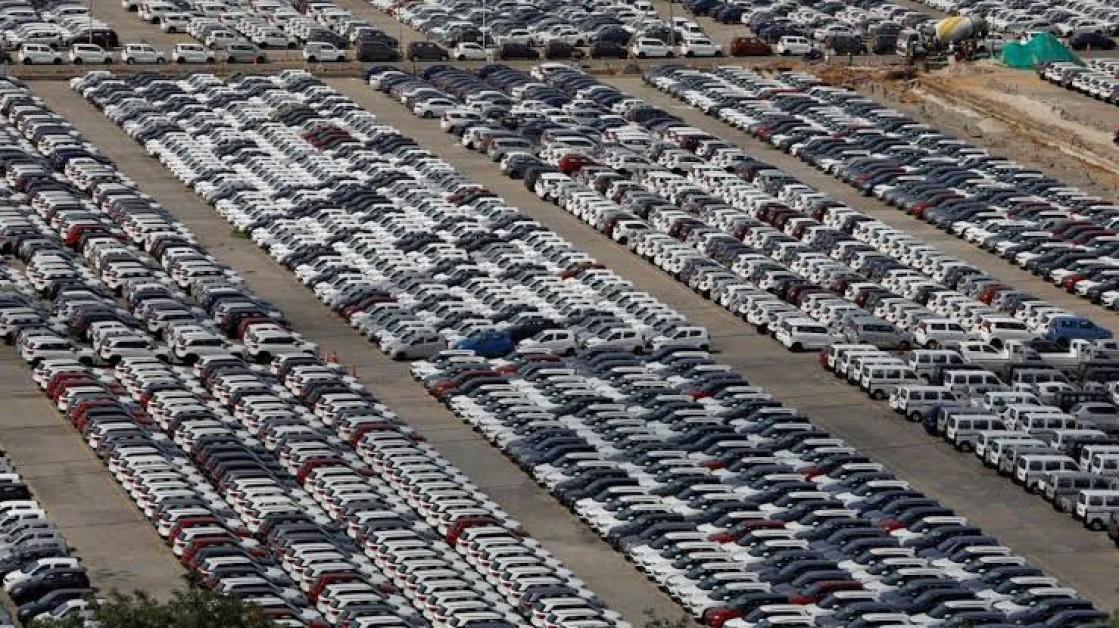
Car Sales Recover Strongly in June, Signaling Revival in Auto Demand
Maruti posted record volumes, Tata's passenger-vehicle sales jumped 69%, and Mahindra crossed a domestic milestone, as SUVs, EVs, and easier financing powered a broad-based rebound — though rural two-wheelers and the monsoon bear watching.
By Naina, 2nd July 2026
Car sales recovered strongly in June 2026, signaling a revival in auto demand, as leading manufacturers reported record or robust growth in passenger-vehicle dispatches. Market leader Maruti Suzuki posted record volumes with total sales of around 200,000 units, up 19 percent, while Tata Motors' passenger-vehicle sales surged 69 percent and Mahindra & Mahindra registered its highest-ever domestic sales. The broad-based strength, driven by demand for sport utility vehicles, easier financing, and the continued impact of tax reforms, points to a healthy Indian auto market heading into the second half of the year. The figures, released by carmakers for June, reinforced signs that consumer demand for vehicles remains resilient despite global uncertainty and a mixed rural picture.
The strong showing extends the momentum the industry has carried through much of the year, with passenger-vehicle sales repeatedly setting monthly records. Utility vehicles continued to lead the charge, electric vehicles gained ground, and exports added to the growth. Not every segment shared in the gains, however, with one major carmaker hit by a production disruption and entry-level two-wheeler demand remaining soft, underscoring an uneven recovery. The monsoon's progress will be crucial for sustaining rural demand. Here is a breakdown of June's auto sales, the factors driving the revival, and the risks that could temper it in the months ahead.
The June Numbers
June delivered strong headline figures. Maruti Suzuki, the market leader, reported total sales of about 200,000 units, including roughly 150,000 in domestic sales, marking a 19 percent overall increase and record volumes. Tata Motors' passenger-vehicle sales jumped 69 percent to over 63,000 units, spanning domestic and international markets, a standout performance. Mahindra & Mahindra posted its highest-ever domestic passenger-vehicle sales of over 60,000 units, up 28 percent, with total vehicle sales rising 37 percent to more than 106,000 units. Together, these numbers signalled robust demand across the passenger-vehicle segment, with most carmakers reporting healthy year-on-year growth and reinforcing the picture of a recovering market.
The Market Leaders
The competitive order held firm. Maruti Suzuki retained its comfortable lead as India's largest carmaker, selling well over double the domestic volume of its nearest rival, powered by both its small-car and utility-vehicle portfolios. Tata Motors held second place with strong passenger-vehicle sales, narrowly ahead of a fast-growing Mahindra, which crossed the 60,000-unit domestic mark for the first time on the back of its SUV-focused lineup. Toyota rounded out the top players. The strength of the leading domestic manufacturers, alongside gains at several smaller players, indicated that the demand recovery was broad rather than confined to a single brand or model, a healthy sign for the industry.
The SUV Surge
Sport utility vehicles remained the engine of growth. Utility vehicles accounted for a large and rising share of passenger-vehicle sales, with SUVs dominating the best-selling models and driving much of the June growth. Maruti's utility-vehicle range contributed a substantial portion of its domestic volumes, while Mahindra's entirely SUV-focused portfolio powered its record month. Indian buyers have increasingly favoured SUVs over traditional small cars, drawn by their styling, space, and features, prompting manufacturers to expand their utility-vehicle offerings. This structural shift toward SUVs and premium models has become a defining feature of the market, supporting higher average selling prices and reshaping the strategies of carmakers across the industry.
The EV Momentum
Electric vehicles added to the momentum. Electric-vehicle makers reported strong volumes, with a leading electric two-wheeler company posting its best monthly performance in recent quarters and one carmaker deriving the majority of its sales from electric models. The recent approval of a major state electric-vehicle policy offering generous incentives is expected to further boost demand. Electric vehicles, though still a modest share of the overall market, are growing rapidly across two-wheelers and cars, supported by policy incentives, expanding charging infrastructure, and new model launches. Their rising contribution reflects a gradual but accelerating shift in the auto market, adding a new dimension to the broader recovery in vehicle demand.
The Demand Drivers
Several factors underpinned the revival. The extended impact of tax reforms that lowered vehicle costs, along with earlier interest-rate cuts and income-tax relief, has boosted consumer purchasing power and sentiment. Easier financing and attractive offers made vehicles more accessible, while a wave of new model launches, particularly SUVs, stimulated demand. A relatively low base from the same month last year also amplified the year-on-year growth figures. Together, these drivers, spanning policy support, favourable financing, and fresh products, created conducive conditions for the sales rebound. The combination of macroeconomic tailwinds and strong product portfolios helped carmakers convert underlying demand into record and robust monthly volumes.
The Export Angle
Exports reinforced the growth story. Several manufacturers reported strong overseas shipments, with one carmaker's exports surging over 125 percent and another beginning exports of a new model to Africa. India's vehicle exports have been growing steadily, with demand from regions including Latin America, Africa, and neighbouring markets, reflecting the increasing global acceptance of India-made vehicles. This export strength strengthens India's position as a global automotive manufacturing hub and provides carmakers with an additional growth avenue beyond the domestic market. The combination of robust domestic demand and expanding exports gives the industry a broader base of growth, helping insulate it somewhat from fluctuations in any single market.
The Mixed Signals
The recovery was not uniform. One major carmaker saw its June sales decline, but the drop was attributed to a production disruption caused by a supplier fire rather than any weakness in demand, with the company expecting to recover the lost volumes. In the two-wheeler segment, entry-level motorcycle sales remained soft, suggesting that the rural, budget-conscious end of the market is still feeling economic pressure, even as premium motorcycles performed strongly. Several carmakers also reported a month-on-month slowdown despite year-on-year growth. These mixed signals indicate that the recovery, while strong at the top, remains uneven across segments, with the mass-market and rural categories lagging the premium and SUV segments.
The Monsoon Risk
The monsoon looms as a key variable. Much of India's rural vehicle demand, particularly for entry-level two-wheelers and tractors, depends on agricultural incomes, which hinge on the monsoon rains. With June rainfall running below normal, there are concerns that weak or uneven rains could dampen rural demand in the coming months, potentially cooling the high growth rates seen recently. Analysts caution that the strong year-on-year figures are partly flattered by a low base and that momentum could moderate if the rural economy weakens. The trajectory of the monsoon over the coming weeks will therefore be closely watched as a determinant of whether the auto sales recovery can be sustained.
The Road Ahead
June's strong sales leave India's auto industry on a firm footing entering the second half of the year and the crucial festive season, which typically drives a surge in purchases. The revival in demand, led by SUVs, supported by policy and financing tailwinds, and reinforced by exports and rising electric-vehicle adoption, reflects the underlying strength of the market. Yet the recovery's durability will depend on the monsoon, rural demand, commodity and financing costs, and the sustainability of growth beyond favourable base effects. If these align, the industry could sustain its momentum through the year. For now, June's numbers offer a clear and encouraging signal of reviving auto demand. This is analysis, not investment advice.
Frequently Asked Questions
How did car sales perform in June 2026?
Car sales recovered strongly, with market leader Maruti Suzuki posting record total sales of around 200,000 units, up 19 percent, Tata Motors' passenger-vehicle sales jumping 69 percent, and Mahindra registering its highest-ever domestic sales, signaling a revival in demand.
What drove the recovery?
Strong demand for SUVs, the extended impact of tax reforms lowering vehicle costs, earlier interest-rate cuts, income-tax relief, easier financing, new model launches, and a low base from the same month last year all contributed to the rebound.
Which segments led the growth?
Sport utility vehicles led, dominating the best-selling models, while electric vehicles gained momentum across two-wheelers and cars. Exports also grew strongly, with some manufacturers reporting sharp increases in overseas shipments.
Was the recovery uniform across the industry?
No. One major carmaker's sales fell due to a production disruption from a supplier fire rather than weak demand, and entry-level two-wheeler sales remained soft, indicating the rural, budget-conscious segment is still under pressure.
What could affect future sales?
The monsoon is a key risk, as weak or uneven rains could dampen rural demand. High year-on-year growth partly reflects a low base, and momentum could moderate if the rural economy weakens or financing and commodity costs rise.
 Related News
POST A COMMENT (0)
All Comments (0)
Replies (0)