





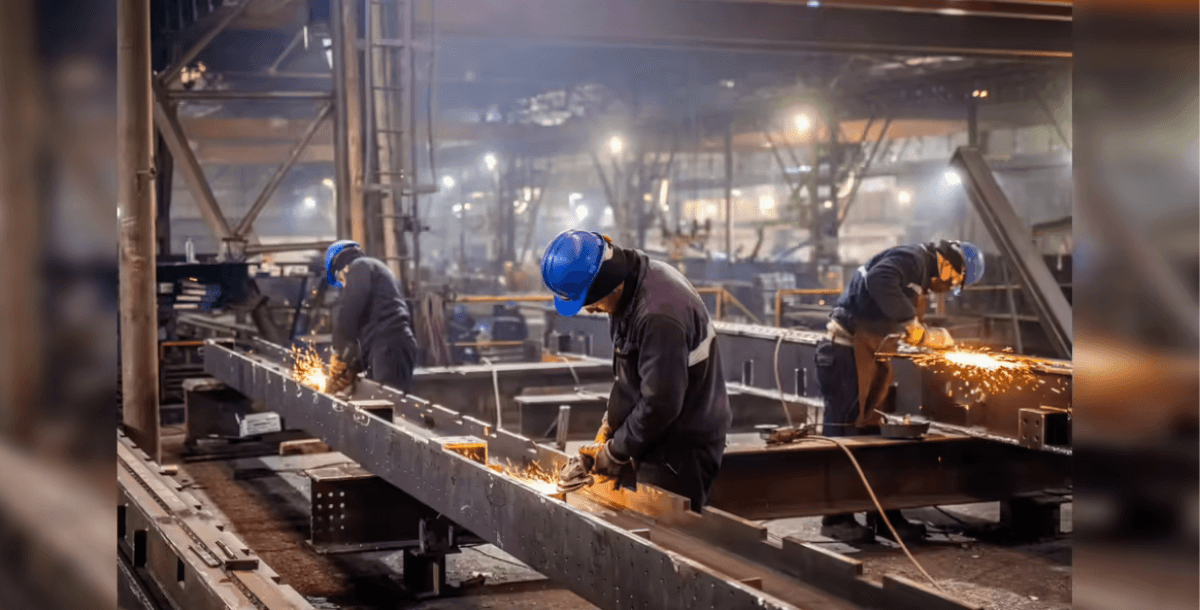
SEZ Reforms Signal India's Next Push for Manufacturing, Exports and Industrial Growth
The overhaul of India's special economic zones is more than a technical fix — it is a bet that flexible, modern enclaves can anchor the next wave of factories, exports, and global supply-chain investment.
By Naina, 29th June 2026
India's move to overhaul its special economic zone (SEZ) policy signals a renewed push for manufacturing, exports, and industrial growth at a pivotal moment for the economy. With the Commerce Ministry convening stakeholders and a dedicated committee weighing larger reforms, the effort aims to revive enclaves that once drove exports but lost momentum after tax changes and shifting trade dynamics. The timing is deliberate: as global companies diversify supply chains, India negotiates trade deals, and the government chases ambitious manufacturing targets, modernised SEZs could become a key instrument. The reforms reflect a broader strategy to position India as a competitive, reliable hub for global production.
The stakes extend well beyond the zones themselves. Manufacturing's share of India's economy has remained stubbornly stuck, even as the country aspires to become a global factory and a larger exporter. SEZs, if made flexible and attractive, could help close that gap by drawing investment, integrating India into global value chains, and creating jobs. The question is whether the overhaul will be bold enough to overcome the structural issues that have held the zones back. Here is what the reforms signal and what they could unlock.
The Strategic Signal
The SEZ overhaul is best read as a statement of intent. By revisiting a policy framework that had stagnated, the government is signalling that it sees manufacturing and exports as central to the next phase of growth, not peripheral. The reforms align with a wider industrial agenda spanning production-linked incentives, electronics and semiconductor missions, and infrastructure investment. Reviving SEZs adds another lever to that toolkit, aimed at giving manufacturers world-class enclaves with streamlined rules. The move suggests policymakers want every available mechanism working toward the goal of a larger industrial base.
The Decline to Be Reversed
The reforms respond to a real loss of momentum. SEZs were once a flagship export driver, but their appeal faded after changes to tax incentives, including the phasing out of key benefits, and as global trade conditions shifted. Many zones have struggled with underutilisation, with developed land and built space sitting idle. Reversing this decline is central to the overhaul, which seeks to make the zones viable again by loosening rigid rules and allowing them to serve more than just export markets. The aim is to turn dormant capacity into active industrial activity.
The Manufacturing Ambition
At the heart of the push is manufacturing. India has long sought to raise the sector's share of GDP, a target that has proved elusive as the contribution has remained around the mid-teens. Modernised SEZs could help by offering ready infrastructure, faster clearances, and incentives that lower the cost and complexity of setting up factories. The government is betting that flexible enclaves can attract both domestic and foreign manufacturers across electronics, engineering, and other sectors. Success would mean more factories, deeper supply chains, and progress toward an industrial base capable of supporting long-term growth and employment.
The Export Engine
Exports are the other half of the equation. SEZs were designed to boost outbound trade, and reviving them is meant to strengthen India's export performance at a time when the country wants to capture a larger share of global trade. Reformed zones, with better warehousing, logistics, and trade-facilitation rules, could serve as efficient export platforms. Proposals to reform free trade warehousing zones point to an ambition to make India a regional trading and distribution hub. Stronger export enclaves would help diversify India's trade, reduce reliance on services exports alone, and build resilience into its external sector.
The Domestic Market Link
A notable shift under discussion is integrating SEZs more closely with the domestic economy. Historically walled off for export purposes, the zones may be allowed to supply services and undertake work for the domestic market more freely, including rupee-denominated transactions and job work without strict export linkage. This flexibility would let SEZ units use spare capacity to serve local demand, improving viability while connecting their capabilities to the wider economy. It marks a pragmatic evolution, recognising that rigid export-only models no longer fit a large, fast-growing domestic market like India's.
The Global Supply-Chain Opportunity
The external backdrop strengthens the case. As global companies diversify production away from concentrated manufacturing bases, India is positioning itself as a favoured alternative, and competitive SEZs could help capture that relocating capacity. Reformed zones offering stability, infrastructure, and streamlined rules would appeal to multinationals seeking reliable bases. This aligns with India's trade strategy, including ongoing negotiations aimed at securing better market access for its exports. If India can pair attractive enclaves with favourable trade terms, it stands to win a meaningful share of the supply-chain shift reshaping global manufacturing.
The Competitive Stakes
India is not the only contender. Regional rivals such as Vietnam and other Southeast Asian economies have built competitive manufacturing and export ecosystems, and they too are courting investment fleeing concentration risk. India's SEZ reforms must therefore deliver genuine ease of doing business, reliable infrastructure, and predictable policy to stand out. The competition raises the stakes: a half-hearted overhaul could leave India trailing, while a bold one could help it leap ahead. The reforms are, in part, a response to this contest for the factories and capital that will define industrial leadership in the coming decade.
The Execution Challenge
Ambition alone will not suffice. SEZs have faced structural problems, from policy unpredictability and tax changes to land and infrastructure constraints, and reforms must address these credibly to succeed. Harmonising the tangle of export-promotion schemes, ensuring reliable power and logistics, and providing stable, long-term incentives are essential. Investment commitments and policy announcements do not automatically translate into operating factories. The real test will be whether the overhaul creates a framework that businesses trust enough to commit capital, and whether implementation matches the rhetoric of revival. Execution, as ever, will determine the outcome.
The Road Ahead
India's SEZ reforms signal a serious bid to make manufacturing, exports, and industrial growth central to its economic future. The direction, flexible enclaves, harmonised schemes, deeper domestic links, and a pitch to global investors, addresses long-standing weaknesses and fits a moment when supply chains are in flux. Whether the push succeeds depends on how boldly the final policy is designed and how effectively it is executed against capable regional rivals. If India gets it right, modernised SEZs could anchor the next wave of industrialisation. If not, they risk remaining underused relics of an earlier strategy. This is analysis, not investment advice.
Frequently Asked Questions
What do the SEZ reforms signal?
They signal India's renewed focus on manufacturing, exports, and industrial growth, using modernised special economic zones as a key instrument to attract investment, integrate into global supply chains, and create jobs.
Why are SEZs being revived now?
The zones lost momentum after tax-incentive changes and shifting trade dynamics, leaving many underused. With global supply chains diversifying and India negotiating trade deals, reformed SEZs could help capture relocating manufacturing and boost exports.
How could the reforms help manufacturing?
By offering ready infrastructure, faster clearances, and incentives that lower the cost of setting up factories, modernised SEZs could attract domestic and foreign manufacturers and help raise manufacturing's share of the economy.
What is changing about SEZs' link to the domestic market?
Proposals would let SEZ units serve the domestic market more freely, including rupee-denominated services and job work without strict export linkage, allowing them to use spare capacity and connect to the wider economy.
What are the main challenges?
Policy unpredictability, past tax changes, land and infrastructure constraints, the need to harmonise multiple export schemes, and strong competition from regional rivals like Vietnam all pose challenges to a successful overhaul.
 Related News
POST A COMMENT (0)
All Comments (0)
Replies (0)