





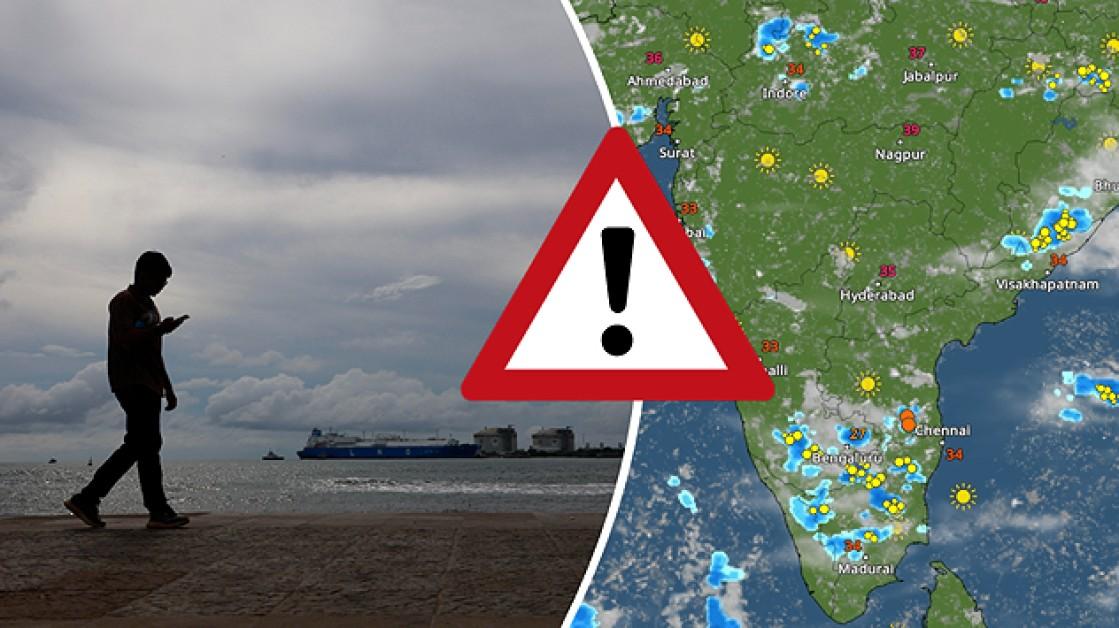
Rainfall Deficit Raises Concerns for India's Kharif Crop Season
With monsoon rains running 43% below normal, farmers face a fraught planting window — and the shortfall threatens sowing, yields, rural incomes, and food prices across the economy.
By Naina, 24th June 2026
A widening rainfall deficit is raising serious concerns for India's kharif crop season, the summer-sown harvest that feeds much of the country and shapes its rural economy. Monsoon rains are running about 43 percent below normal so far, after arriving late, and the India Meteorological Department expects the weakness to persist into early July. Because the monsoon delivers roughly 70 percent of India's annual rainfall and nearly half the country's farmland depends on rain rather than irrigation, a poor start to the season puts crops, farm incomes, and food prices at risk just as planting should be gathering pace.
The kharif season, sown with the arrival of the monsoon in June and harvested from autumn, covers staples and cash crops alike, from rice and corn to cotton, soybeans, and sugarcane. A weak or erratic monsoon can delay sowing, cut yields, and force farmers into costly choices. With the rains faltering and an El Niño weather pattern suppressing precipitation, the coming weeks are critical. This piece looks at what the deficit means for the crop, the farmer, and the wider economy.
The Scale of the Deficit
The numbers are concerning. Cumulative monsoon rainfall is running about 43 percent below the long-period average so far this season, and the IMD has forecast continued weak precipitation through the week ending early July. For the full June-to-September season, the department projects rainfall near 90 percent of normal, around the threshold at which a monsoon is classed as deficient. The shortfall is uneven, and the rain-fed core farming zone is expected to fare worse, which is precisely where the kharif season is most vulnerable.
Why the Monsoon Decides the Kharif Crop
The kharif season is built around the monsoon. Farmers wait for the first sustained rains to begin sowing, and the timing, spread, and total of that rainfall determine how much gets planted and how well it grows. With close to half of India's cropped area unirrigated, many farmers have no fallback if the rains fail. A delayed onset compresses the sowing window, while dry spells during critical growth stages can damage standing crops. That dependence is why a single number, the rainfall deficit, can move expectations for the entire harvest.
The Crops Most at Risk
Different crops face different threats. Rice, the largest kharif crop, is water-intensive and especially exposed to a weak monsoon, with farmers in dry areas often switching to hardier alternatives. Pulses and oilseeds, where India is trying to cut import dependence, are sensitive to erratic rain and matter directly for food prices. Cotton, soybeans, corn, and sugarcane round out the season, each with its own vulnerability to delayed or patchy rainfall. A poor showing in any of these can ripple from the farm gate to the grocery shelf and the import bill.
The Sowing Picture
Sowing progress is the first real signal of how the season is shaping up. When rains are delayed or scattered, farmers hold back on planting, hoping for better conditions, which can leave the total sown area below normal for the time of year. Late sowing also raises the risk that crops mature into less favourable weather later in the season. Agricultural officials and markets watch weekly acreage data closely in these conditions, since a slow start that fails to catch up can foreshadow lower output months before the harvest is in.
The Rural Economy at Stake
The kharif season is about livelihoods as much as crops. A large share of India's population depends on farming, and the summer harvest drives rural incomes and spending on everything from two-wheelers and tractors to consumer goods. A weak season can dampen that demand, with effects rippling through the wider economy. Strong farm output, by contrast, lifts rural consumption and supports growth. That is why a rainfall deficit is watched not only by agriculture officials but by companies and policymakers tracking the health of the consumer economy.
The Inflation Channel
The most immediate economic worry is food prices. Shortfalls in kharif staples, particularly pulses, vegetables, and grains, tend to push up food inflation, which carries heavy weight in India's consumer price index. That, in turn, narrows the Reserve Bank of India's room to cut interest rates, a tension the central bank has already flagged in holding rates steady. A weak monsoon can therefore reach well beyond the farm, influencing the cost of living for households and the policy choices that shape the broader economy.
The Mitigating Factors
The picture is not uniformly grim. India entered the season with healthy reservoir levels, providing a cushion for irrigation during dry spells, and holds ample stocks of staples like rice and wheat, which buffer against shortages and help stabilise prices. The government has also activated contingency measures, encouraging hardier, less water-intensive crops and assuring seed and fertiliser supplies. A strong recovery in rainfall through July and August could still salvage the season, since the monsoon's later months often determine the final outcome more than its opening weeks.
The Road Ahead
The rainfall deficit has put India's kharif crop season on a knife's edge, with much depending on whether the monsoon revives in the crucial weeks ahead. Reservoir buffers, food stocks, and contingency planning offer real protection, but they cannot fully substitute for timely rain across the rain-fed heartland. For farmers, the immediate question is how much to plant and when; for the economy, it is whether food inflation and rural demand hold steady. The season's fate will become clearer as sowing data and July rainfall come in. This is analysis, not investment advice.
Frequently Asked Questions
What is the kharif crop season?
It is India's main summer cropping season, sown with the arrival of the monsoon around June and harvested from autumn. It covers staples and cash crops including rice, corn, cotton, soybeans, pulses, and sugarcane.
Why is the rainfall deficit a concern?
Monsoon rains are running about 43 percent below normal, and with nearly half of India's farmland dependent on rain, a shortfall threatens sowing, yields, and farm incomes during the critical planting window.
Which crops are most at risk?
Water-intensive rice is especially exposed, while pulses and oilseeds, important for food prices and import substitution, are sensitive to erratic rain. Cotton, soybeans, corn, and sugarcane are also affected.
How could it affect the economy?
A weak kharif season can lower rural incomes and consumption, push up food inflation, and complicate the Reserve Bank of India's interest-rate decisions, with effects felt across the wider economy.
Can the season still recover?
Yes. Healthy reservoirs, ample food stocks, and government contingency measures provide a cushion, and a strong revival in monsoon rains through July and August could still rescue the harvest.
 Related News
POST A COMMENT (0)
All Comments (0)
Replies (0)