





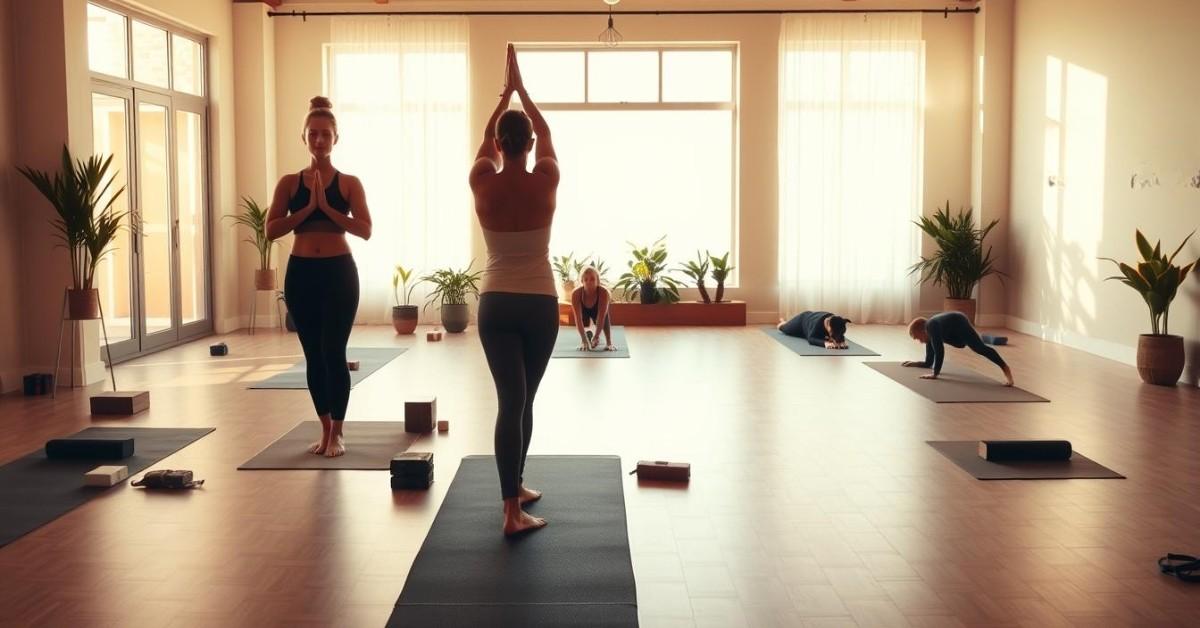
Embarking on a yoga journey can be a transformative experience, offering numerous physical, mental, and emotional benefits. For those new to yoga, starting a practice can seem daunting, but with a clear guide, anyone can begin their journey.
The 30-day challenge is designed to introduce beginners yoga practices, gradually building up to more complex poses and techniques. This comprehensive guide will walk you through the basics of starting yoga practice, helping you establish a sustainable routine.
By following this guide, you'll not only learn various yoga poses but also understand the principles behind them, enabling you to deepen your practice and enjoy its many benefits.
Key Takeaways
- Understand the basics of yoga and its benefits
- Learn a 30-day yoga challenge tailored for beginners
- Develop a sustainable yoga practice routine
- Discover the physical, mental, and emotional benefits of yoga
- Gradually progress from simple to more complex yoga poses
The Ancient Wisdom of Yoga in Modern Practice
Yoga's ancient roots in Indian culture have given rise to a global practice that combines physical, mental, and spiritual well-being. This traditional practice has been adapted to suit modern lifestyles, offering a holistic approach to health.
Yoga's Historical Roots in India
Originating in ancient India, yoga has a rich history that spans thousands of years. It is rooted in the philosophical and spiritual traditions of Hinduism, Buddhism, and Jainism. The practice of yoga was initially aimed at achieving spiritual enlightenment and self-realization.
Physical and Mental Benefits for Newcomers
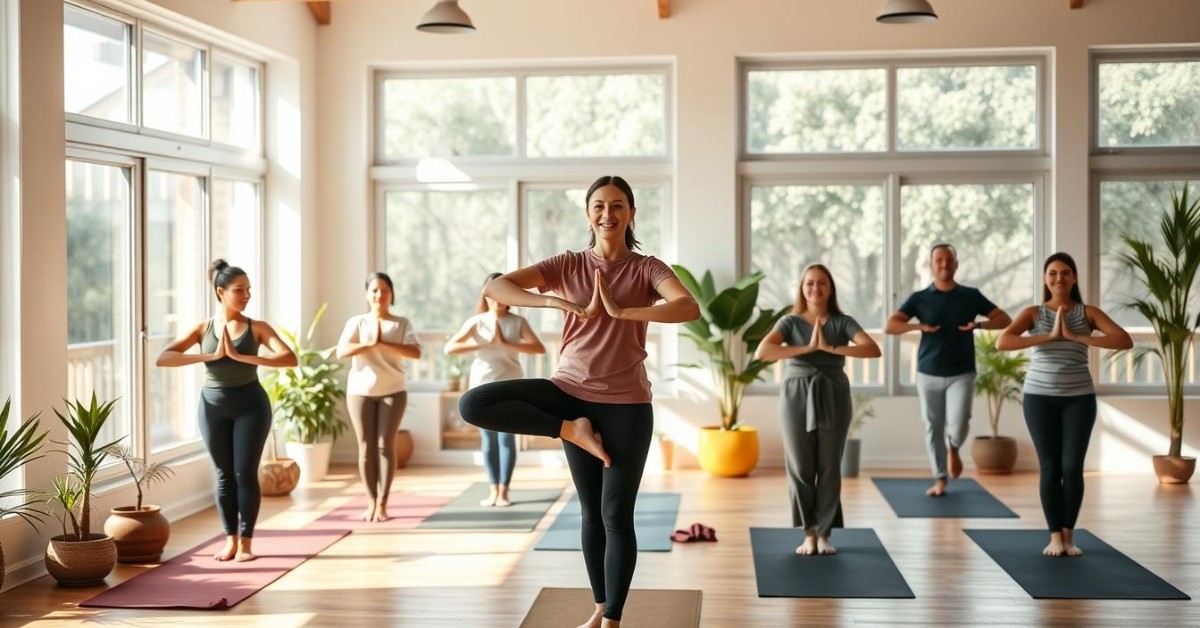
For those new to yoga, the practice offers numerous physical and mental benefits. It can improve flexibility, strength, and balance, while also reducing stress and anxiety. Regular practice can lead to a sense of calm and well-being, enhancing overall quality of life.
Setting Realistic Expectations for Your Journey
As you begin your yoga journey, it's essential to set realistic expectations. Understand that yoga is a personal and progressive practice. Be patient with your body and celebrate small achievements along the way. With consistent practice, you will notice improvements in your physical, mental, and emotional well-being.
Why a 30-Day Challenge Transforms Beginners into Practitioners
Transforming beginners into practitioners, a 30-day yoga challenge offers a structured path to exploring yoga. This period is crucial for building a foundation that can lead to a lifelong practice. By committing to a daily routine, novices can experience the full spectrum of yoga's benefits.
Building Consistency Through Daily Practice
Consistency is key to developing a yoga practice. A daily practice, even if it's just for a few minutes, helps in building flexibility, strength, and mental clarity. It allows beginners to get comfortable with basic poses and breathing techniques, laying a solid foundation for more complex practices later on.
The Science of Habit Formation
The science behind habit formation suggests that consistent repetition of an activity can turn it into a habit within a few weeks. A 30-day challenge leverages this principle, helping beginners turn their introductory yoga practice into a regular habit. As noted by "The Power of Habit" by Charles Duhigg, "Habits are powerful, but delicate. They can be influenced by the right cues and rewards."
"You don't have to be great to start, but you have to start to be great."
Tracking Your Progress Throughout the Month
Tracking progress is an essential part of the 30-day challenge. It not only motivates beginners to continue but also helps them identify areas of improvement. A simple table can be used to track daily practices, noting down the poses practiced, the duration of the practice, and any feelings or observations.
| Day | Practice Duration | Poses Practiced | Observations |
|---|---|---|---|
| 1 | 15 minutes | Mountain Pose, Downward Dog | Felt calm |
| 2 | 20 minutes | Child's Pose, Warrior Pose | Noticed improved flexibility |
| 3 | 25 minutes | Tree Pose, Seated Forward Fold | Felt more balanced |
By the end of the 30-day challenge, beginners will have not only established a routine but will also have seen tangible progress in their practice, motivating them to continue their journey.
Essential Equipment for Your Yoga Journey
Embarking on a yoga journey requires some essential equipment to ensure a comfortable and effective practice. Having the right gear can enhance your experience, providing the necessary support and comfort to focus on your beginner-friendly yoga poses. This section will guide you through the must-have equipment for a great start.
Selecting a Quality Yoga Mat
A good yoga mat is the foundation of your practice. Look for a mat that provides adequate grip, cushioning, and support. Consider eco-friendly options made from materials like natural rubber or PVC-free alternatives.
Supportive Props for Beginners
Props like blocks, straps, and bolsters can be incredibly helpful, especially for beginners. They assist in maintaining proper alignment, deepening stretches, and making poses more accessible. For example, yoga blocks can support your hands in standing poses, while straps can help you reach further in seated forward bends.
Comfortable Clothing Options Available in India
Comfortable, breathable clothing is essential for a smooth yoga practice. In India, you can find a variety of affordable, moisture-wicking fabrics suitable for yoga. Opt for clothing that allows for a full range of motion without restriction.
As you start your yoga for newbies journey, remember that the right equipment can significantly enhance your experience. Investing in quality gear will support your practice and help you enjoy the many benefits of yoga.
Creating Your Sacred Yoga Space at Home
In the heart of your Indian home, carve out a serene yoga space that fosters a sense of calm and connection to your practice. A dedicated area for yoga can significantly enhance your introductory yoga practice, making it more enjoyable and consistent.
Finding the Perfect Spot
Identify a quiet corner in your home that is away from high-traffic areas and distractions. Ideally, this space should be well-ventilated and have a natural source of light. If possible, choose a spot with a view of nature or a serene backdrop to enhance your practice.
Setting the Atmosphere
Incorporate traditional Indian elements to create a soothing ambiance. Use calming colors like sage green or sandy beige for the walls. Add some Indian-inspired decor such as a Buddha statue, a few plants, or a traditional Indian textile to create a peaceful atmosphere.
Making it Distraction-Free
Ensure your yoga space is free from distractions by removing electronic devices and other non-yoga related items. Consider using a room divider or curtains to separate your yoga area from the rest of the room. This will help you maintain focus during your yoga basics practice.
By following these tips, you can create a sacred yoga space at home that supports your starting yoga practice and nurtures your overall well-being.
Preparing Your Body and Mind for Yoga
As you embark on your yoga journey, it's essential to prepare both your body and mind for the practice. This preparation is crucial for maximizing the benefits of yoga and minimizing the risk of injury.
Pre-Yoga Sattvic Nutrition Tips
Eating the right food before practicing yoga can significantly enhance your experience. Sattvic nutrition, which emphasizes fresh, light, and nourishing foods, is particularly recommended for yoga practitioners. "A healthy outside starts from the inside," as the saying goes, and incorporating sattvic foods like fruits, nuts, and whole grains can help create a balanced and energized state for your practice.
Mental Preparation and Sankalpa (Intention) Setting
Mental preparation is just as important as physical readiness. Setting a sankalpa, or intention, before you begin can help focus your mind and guide your practice. This could be as simple as intending to stay present or to cultivate patience. As B.K.S. Iyengar once said, "Yoga is the journey of the self, through the self, to the self."
Simple Warm-Up Exercises to Prevent Injury
Before diving into your yoga practice, warming up your muscles can help prevent injuries. Simple exercises like neck stretches, shoulder rolls, and leg swings can prepare your body for the more complex poses to come.
By incorporating these preparatory steps into your routine, you can create a safe, enjoyable, and fulfilling yoga practice that benefits both body and mind.
Mastering Fundamental Yoga for Beginners Poses
Beginners can establish a solid yoga foundation by focusing on key poses and proper alignment. Mastering basic yoga poses is essential for a rewarding yoga practice. This involves understanding and practicing standing, seated, and reclining asanas, with a strong emphasis on safety and correct alignment.
Standing Asanas for Stability and Strength
Standing poses are foundational in yoga, helping to build stability, strength, and balance. Poses like Tadasana (Mountain Pose) and Vrksasana (Tree Pose) are excellent for beginners. They help improve posture, balance, and focus. Practicing these poses regularly can enhance overall physical stability and mental calmness.
Seated Poses for Flexibility and Grounding
Seated poses are crucial for improving flexibility and grounding. Poses such as Paschimottanasana (Seated Forward Fold) and Baddha Konasana (Butterfly Pose) help stretch various muscle groups, promoting flexibility. These poses also encourage a connection with the body and the present moment, fostering a sense of grounding.
Reclining Poses for Relaxation and Restoration
Reclining poses are designed for relaxation and restoration. Poses like Savasana (Corpse Pose) and Supta Baddha Konasana (Reclined Butterfly Pose) are perfect for calming the mind and rejuvenating the body. They help in reducing stress and promoting deep relaxation, making them ideal for the end of a practice session.
Proper Alignment Principles for Safety
Proper alignment is critical in yoga to prevent injuries and ensure the effectiveness of the poses. Beginners should focus on understanding the basic principles of alignment, such as engaging the correct muscles, maintaining the natural curvature of the spine, and distributing weight evenly. This not only enhances the benefits of the practice but also minimizes the risk of injury.
By mastering these fundamental yoga poses and focusing on proper alignment, beginners can build a strong foundation for their practice. This foundation is crucial for progressing in yoga and enjoying its numerous physical and mental benefits.
Week 1: Building Your Foundation (Days 1-7)
Week one of the 30-day yoga challenge focuses on laying the groundwork for your practice. This foundational week is crucial for beginners, as it introduces essential elements that will be built upon throughout the month.
Day 1-2: Connecting with Your Breath (Pranayama Basics)
The first two days are dedicated to understanding the significance of breath in yoga. Pranayama, or breath control, is fundamental to yoga practice. Simple exercises like Anulom Vilom (Alternate Nostril Breathing) and Bhastrika (Bellows Breath) help calm the mind and prepare the body for more complex poses.
Day 3-5: Foundational Poses for Stability
Days three to five focus on introducing foundational standing and seated poses. Poses like Tadasana (Mountain Pose), Vrikshasana (Tree Pose), and Paschimottanasana (Seated Forward Fold) are excellent for building stability and flexibility. These poses form the core of your practice, promoting balance and strength.
Day 6-7: Introducing Sun Salutation (Surya Namaskar) Variations
By days six and seven, you'll be introduced to Surya Namaskar (Sun Salutation), a flowing sequence of poses that combines movement with breath. This dynamic practice warms up the body, improves circulation, and energizes the mind. Variations of Surya Namaskar will be explored to accommodate different levels of flexibility and strength.
Daily Practice Guide with Time Recommendations
To make the most out of your first week, follow this daily practice guide:
- Day 1-2: 10-15 minutes of Pranayama and gentle stretches
- Day 3-5: 20-30 minutes, including foundational poses and basic flows
- Day 6-7: 25-35 minutes, incorporating Surya Namaskar variations
Consistency is key. Even a short daily practice can be more beneficial than a long, sporadic one. As you progress, you can gradually increase your practice time.
Week 2: Expanding Your Practice (Days 8-14)
Entering the second week of your yoga practice, you'll be introduced to a variety of poses that enhance your balance, flexibility, and strength. This week is crucial as it builds upon the foundation established in the first week, challenging you to explore new dimensions of your practice.
Day 8-10: Balance Poses for Focus and Concentration
Balance poses are essential for improving your focus and concentration. They help in developing your overall physical and mental stability. Some key balance poses to practice during days 8-10 include:
- Tree Pose (Vrksasana): Enhances balance and stability.
- Eagle Pose (Garudasana): Strengthens the legs and improves concentration.
- Warrior Pose (Virabhadrasana): Builds strength and confidence.
Day 11-12: Hip Openers for Emotional Release
Hip-opening poses are known to release tension and emotional blockages. They help in improving flexibility and preparing your body for more advanced practices. Key hip-opening poses include:
- Pigeon Pose (Eka Pada Rajakapotasana): Deeply opens the hips.
- Lizard Pose (Utthan Pristhasana): Stretches the hips and groin.
Day 13-14: Gentle Backbends for Energy
Gentle backbends invigorate the body and improve your energy levels. They help in strengthening the back muscles and opening up the chest. Some gentle backbends to practice are:
- Cobra Pose (Bhujangasana): Strengthens the back and opens the chest.
- Cat-Cow Pose (Marjaryasana-Bitilasana): Improves flexibility and reduces stress.
Progressive Sequence Building Instructions
To build a progressive sequence, start with simpler poses and gradually move to more complex ones. Ensure to include a mix of balance poses, hip openers, and backbends. For example:
- Begin with a warm-up sequence like Sun Salutation (Surya Namaskar).
- Move into balance poses like Tree Pose and Eagle Pose.
- Follow with hip-opening poses such as Pigeon Pose and Lizard Pose.
- End with gentle backbends like Cobra Pose and Cat-Cow Pose.
- Conclude your practice with deep breathing exercises or meditation.
By following this sequence, you'll be able to expand your practice effectively and enjoy the benefits of yoga.
Week 3: Building Strength and Stamina (Days 15-21)
The third week of your 30-day yoga challenge is designed to boost your strength and endurance. As you progress, you'll notice improvements in your overall physical and mental well-being.
Day 15-17: Core-Strengthening Sequences
During days 15 to 17, you'll engage in core-strengthening sequences that are essential for stability and balance in your practice. These sequences will help you build a strong foundation, enhancing your overall yoga experience.
- Plank Pose (Phalanx Position)
- Navasana (Boat Pose)
- Uddiyana Bandha (Abdominal Lock)
Day 18-19: Modified Arm Balances for Beginners
On days 18 and 19, you'll introduce modified arm balances that are perfect for beginners. These poses will challenge your strength and improve your focus.
- Modified Bakasana (Crow Pose)
- Phalakasana (Plank Pose) variations
Day 20-21: Endurance-Building Flow Sequences
Days 20 and 21 will focus on endurance-building flow sequences, designed to enhance your stamina and flexibility. These flows will help you transition smoothly between poses, improving your overall practice.
Proper Rest and Recovery Techniques
It's crucial to balance your practice with proper rest and recovery. Techniques such as Savasana (Corpse Pose) and gentle stretches will aid in your body's recovery, ensuring you don't overexert yourself.
- Deep breathing exercises
- Guided relaxation
By the end of week three, you'll have significantly improved your strength, stamina, and overall yoga practice. Continue to listen to your body and modify poses as needed.
Week 4: Deepening Your Practice (Days 22-30)
As you approach the culmination of your 30-day yoga journey, you'll discover new ways to enhance your practice. The final week is designed to deepen your understanding and application of various yoga techniques.
Day 22-24: Safe Approach to Basic Inversions
Inversions are a crucial part of yoga practice, offering numerous benefits such as improved circulation and increased confidence. Begin with simple inversions like Downward-Facing Dog and gradually move to more complex poses under proper guidance.
Day 25-27: Integrating Learned Elements into Longer Flows
By now, you've learned various asanas and breathing techniques. It's time to integrate these elements into longer, more dynamic flows. This will help improve your endurance and enhance your overall practice.
Day 28-30: Culmination Practices and Achievement Celebration
The final days are dedicated to mastering the sequences you've learned and celebrating your progress. Reflect on your journey and acknowledge the changes you've experienced, both physically and mentally.
Self-Assessment Tools for Progress
To gauge your progress, use the following self-assessment tools:
| Criteria | Initial Assessment | Final Assessment |
|---|---|---|
| Flexibility | ||
| Balance | ||
| Mental Clarity |
Fill in the table at the beginning and end of the 30-day challenge to track your improvements.
Congratulations on completing the 30-day yoga challenge! Your dedication to yoga practice will continue to yield benefits in the days to come.
Common Challenges and How to Overcome Them
Beginners often face several hurdles as they start their yoga practice, but these can be overcome with the right guidance. Understanding these challenges is the first step to a successful yoga journey.
Dealing with Physical Limitations and Discomfort
Physical limitations and discomfort are common issues faced by beginners. It's essential to listen to your body and modify poses as needed. Using props like blocks and straps can help make poses more accessible.
Managing Time Constraints in Busy Indian Households
Finding time for yoga can be challenging, especially in busy households. Early morning practice can be a great way to establish a consistent routine before the day gets busy.
| Challenge | Solution |
|---|---|
| Physical Limitations | Use props, modify poses |
| Time Constraints | Practice early in the morning |
| Lack of Motivation | Find a yoga buddy, track progress |
Staying Motivated Throughout the Challenge
Staying motivated is crucial for completing the 30-day challenge. Setting small, achievable goals and tracking progress can help maintain enthusiasm. Finding a yoga buddy or joining an online community can also provide support.
When to Seek Guidance from a Local Yoga Teacher
If you're experiencing persistent discomfort or pain, it may be time to seek guidance from a local yoga teacher. They can provide personalized feedback and help you adjust your practice.
By understanding and addressing these common challenges, beginners can set themselves up for success on their yoga journey.
Modifications for Different Ability Levels
The beauty of yoga lies in its adaptability, allowing practitioners to modify poses according to their needs. This flexibility is what makes yoga accessible to everyone, regardless of age, flexibility, or physical ability.
Adaptations for Limited Mobility and Flexibility
For individuals with limited mobility or flexibility, yoga can still be a highly beneficial practice. Modifications such as using chairs, walls, or props can help make poses more accessible. For example, a chair can be used for support in standing poses or as a prop in seated forward bends.
Tips for Practicing with Limited Mobility:
- Use a chair for support in standing poses.
- Modify seated poses to accommodate any physical limitations.
- Focus on breathing techniques and meditation.
Options for Gradually Increasing Intensity
As practitioners become more comfortable with basic poses, they can gradually increase the intensity of their practice. This can be achieved by deepening stretches, holding poses for longer durations, or incorporating more dynamic flows.
Example of Gradually Increasing Intensity:
- Start with basic standing poses and gradually move to more complex balancing poses.
- Increase the duration of holding poses.
- Incorporate more challenging flows like Vinyasa Krama.
Using Props Effectively for Support and Alignment
Props are invaluable tools in yoga, providing support and helping maintain proper alignment. Blocks, straps, and bolsters can be used to modify poses, making them more accessible and reducing the risk of injury.
| Prop | Usage | Benefit |
|---|---|---|
| Blocks | Support hands or feet in various poses | Enhances flexibility and balance |
| Straps | Deepen stretches or maintain alignment | Improves flexibility and reduces strain |
| Bolsters | Support body in restorative poses | Promotes relaxation and rejuvenation |
Integrating Mindfulness and Meditation Practices
Integrating mindfulness and meditation into your yoga for beginners practice can lead to a more balanced and fulfilling experience. As you journey through the 30-day challenge, incorporating these practices will enhance your overall well-being.
Simple Dhyana (Meditation) Techniques for Beginners
Starting with simple meditation techniques can be incredibly beneficial. Beginners can start with focusing on their breath, observing their thoughts without judgment, and using guided meditations available through various apps or local classes.
Mindful Breathing Exercises Between Asanas
Mindful breathing is a cornerstone of introductory yoga practice. Practicing deep, controlled breaths between asanas can improve your focus and calm your mind. Techniques like Ujjayi (Victorious Breath) and Bhastrika (Bellows Breath) can be particularly effective.
Incorporating Traditional Indian Meditation into Daily Life
Incorporating traditional Indian meditation techniques into your daily routine can enhance your yoga practice. Simple practices like Trataka (candle gazing) or listening to chanting can be done at home. Even a few minutes each day can make a significant difference in your mental clarity and stress levels.
By integrating these mindfulness and meditation practices, you'll not only deepen your yoga practice but also cultivate a more mindful and peaceful daily life.
Ayurvedic Nutrition to Support Your Yoga Practice
Ayurvedic nutrition plays a vital role in supporting and elevating your yoga practice. By understanding and applying Ayurvedic principles, you can enhance your overall well-being and improve your yoga journey.
Understanding Your Dosha and Dietary Needs
In Ayurveda, every individual is unique, with a distinct constitution known as their dosha. The three primary doshas are Vata, Pitta, and Kapha. Understanding your dosha can help you make informed dietary choices that support your yoga practice. For instance, a Vata individual may benefit from warm, nourishing foods, while a Pitta individual may require cooling foods to maintain balance.
Pre and Post-Practice Eating Guidelines
Eating the right foods at the right time can significantly impact your yoga practice. It's generally recommended to practice yoga on an empty stomach or at least 2-3 hours after a meal. A light, easily digestible snack or meal can be consumed post-practice to replenish energy. Foods rich in complex carbohydrates, proteins, and healthy fats are ideal.
Traditional Indian Foods and Spices That Enhance Yoga Benefits
Certain traditional Indian foods and spices can enhance the benefits of your yoga practice. For example, ghee (clarified butter) is considered beneficial for its nourishing properties, while turmeric is valued for its anti-inflammatory effects. Incorporating these foods into your diet can support your overall well-being and yoga practice.
| Dosha | Dietary Recommendations | Beneficial Foods |
|---|---|---|
| Vata | Warm, nourishing foods | Ghee, nuts, whole grains |
| Pitta | Cooling foods | Cucumber, yogurt, leafy greens |
| Kapha | Light, dry foods | Legumes, spices, dry fruits |
Conclusion: Beyond the 30-Day Challenge
Completing a 30-day yoga challenge is just the beginning of a transformative journey. As you continue your yoga practice, you'll discover new depths to your physical, mental, and emotional well-being. Starting yoga practice is a significant step towards a healthier lifestyle, and for those who are new to it, yoga for beginners is an excellent way to establish a strong foundation.
For beginners yoga is not just about mastering poses; it's about cultivating a deeper connection with your body and mind. As you progress, you'll find that the discipline and awareness you've developed through yoga will positively impact other areas of your life. The practices you've learned during this challenge will become a valuable part of your daily routine, helping you navigate life's challenges with greater ease and resilience.
To sustain your practice, it's essential to be patient and kind to yourself. Celebrate your achievements, no matter how small they may seem, and don't be too hard on yourself when you encounter setbacks. With consistent effort, you'll continue to grow and evolve in your practice, enjoying the many benefits that yoga has to offer.
 Yoga for Beginners | 30-Day Challenge Guide 2025 | NexNews FAQs
POST A COMMENT (0)
All Comments (0)
Replies (0)