





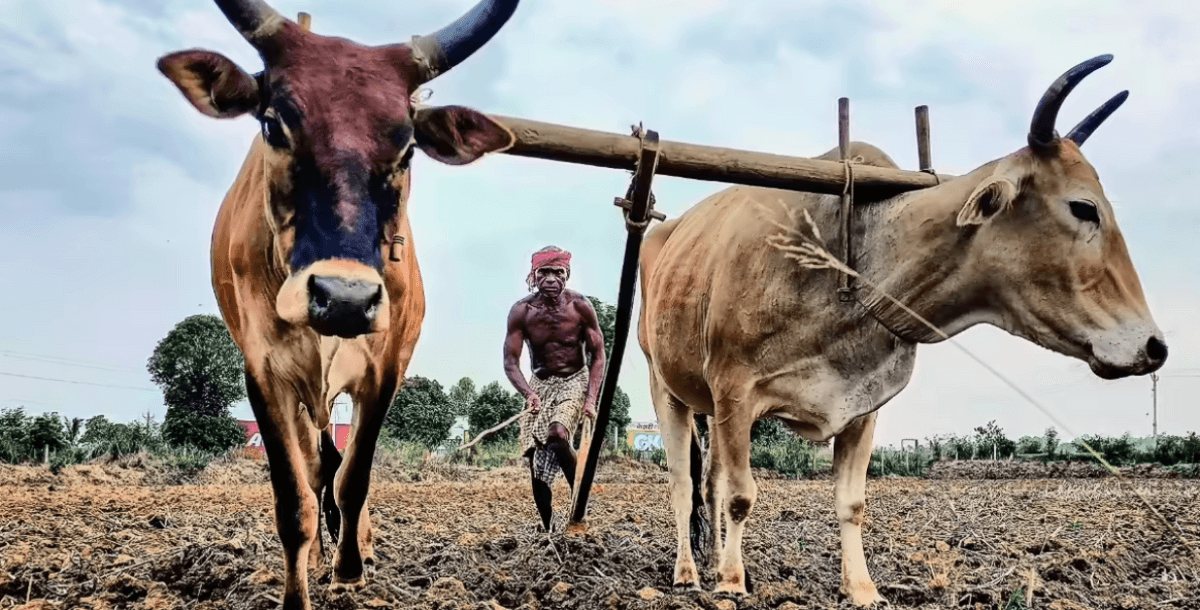
Government's Contingency Plan for Rainfall Deficit Across Key Agricultural States
With a 43% rain shortfall hitting the farm heartland, the Centre is tailoring crop, seed, and water measures state by state — from Maharashtra's cotton belt to the rice bowls of the east.
By Naina, 25th June 2026
The government has rolled out a detailed contingency plan for a rainfall deficit that is hitting key agricultural states, as monsoon rains run about 43 percent below normal. Rather than a single national template, the response is being tailored state by state, matching crop, seed, and water measures to the specific risks each region faces. Coordinated by the agriculture ministry with state governments and farm scientists, the plan targets the 315 districts across a dozen states flagged as most vulnerable. The aim is to protect the kharif harvest and farm incomes in the regions where a weak monsoon would do the most damage.
India's farm map is diverse, and so are the threats. The cotton and soybean belts of the west, the pulse and millet zones of the centre and south, and the rice bowls of the east each face different pressures from a deficient monsoon. The contingency plan recognises that a one-size-fits-all approach will not work, pushing decisions closer to the states that know their conditions best. Here is how the plan is structured, which states are most exposed, and what it asks of farmers on the ground.
The State-Wise Approach
The defining feature of the plan is its decentralised design. The Centre has identified 315 vulnerable districts across roughly a dozen states and asked each state, working with the Indian Council of Agricultural Research and local agricultural universities, to revise district-level contingency plans suited to its own crops and conditions. Of those districts, 111 have been classed as high priority because less than a quarter of their farmland is irrigated. By devolving the detail to states, the plan ensures that the response in a cotton-growing district differs from that in a rice or millet belt.
The States Most at Risk
The risk is concentrated in specific states. Madhya Pradesh, Maharashtra, Tamil Nadu, Gujarat, Uttar Pradesh, Rajasthan, Karnataka, Bihar, Jharkhand, Telangana, Andhra Pradesh, and Odisha have all been flagged for below-normal rainfall. The sharpest concern centres on the Marathwada region of Maharashtra and northern Karnataka, a largely rain-fed belt where crops depend almost entirely on the monsoon. These are core agricultural zones, and stress there feeds quickly into national output of pulses, oilseeds, cotton, and coarse cereals, making them the focus of the contingency effort.
The Western Belt
In the west, Maharashtra, Madhya Pradesh, and Gujarat face risks to cotton, soybean, and pulses, crops central to both farm incomes and industry. Much of this region's cultivation is rain-fed, so a delayed or patchy monsoon directly threatens sowing and yields. State plans here emphasise shifting toward shorter-duration, drought-tolerant varieties and conserving every drop through local water structures. Because Maharashtra is a major producer of cotton and sugarcane and a hub for related processing, weakness in its fields carries consequences well beyond agriculture.
The Central and Southern Zones
Across the central and southern states, the emphasis falls on pulses, millets, and oilseeds. Karnataka, Telangana, Andhra Pradesh, and Tamil Nadu include large rain-fed tracts where these hardier crops are both a livelihood and a buffer. Contingency advice here steers farmers toward crops that need less water and can be sown later, reducing the risk of total failure if rains stay weak. This matters nationally too, since pulses and oilseeds are precisely the categories where India still depends on imports and where price spikes feed quickly into food inflation.
The Eastern Rice Bowls
In the east, the priority is rice. States like Bihar, Jharkhand, Odisha, and parts of Uttar Pradesh and the south are major paddy producers, and rice is among the most water-intensive and monsoon-sensitive crops. Where rainfall is delayed, state plans encourage staggered sowing, water-saving techniques, and short-duration paddy varieties, with arrangements for re-sowing if early crops fail. Protecting the rice crop is critical not only for domestic supply but also because India is a major rice exporter whose output influences global grain prices.
The Common Toolkit
Despite the regional tailoring, the plans share a common toolkit. Across states, the government has assured adequate seed and fertiliser, with the network of farm-science centres distributing seed and advice and arranging supplies for re-sowing. States have been directed to repair ponds, check dams, and water-harvesting structures to stretch limited rainfall, and to issue timely weather advisories. Crop insurance and farm credit are being expanded to cushion farmers financially. The toolkit is uniform, but each state applies it to its own crops and geography.
The Federal Coordination
The plan reflects India's federal structure, where agriculture is largely a state subject but the Centre sets direction and provides resources. The agriculture minister has chaired meetings with state ministers, scientists, and weather officials to align the response, while leaving implementation to the states. This coordination is essential, since a national food and price outcome depends on actions taken in thousands of individual districts. The challenge is ensuring that central assurances on seed, fertiliser, and funds translate into timely action on the ground in every key state.
The Stakes for Food and Incomes
What happens across these states shapes the whole economy. Together they account for a large share of India's kharif output, so their harvests influence national food supply, inflation, and rural demand. A successful contingency response could limit the damage and keep food prices stable, while failure in the core rain-fed belts could lift the cost of pulses, oilseeds, and vegetables and dent rural consumption. The state-wise plans are, in effect, a distributed insurance policy for the national economy against a disappointing monsoon.
The Road Ahead
The government's state-wise contingency plan for the rainfall deficit is a pragmatic recognition that India's farm risks are local, even when their consequences are national. By tailoring crop, seed, and water measures to each key agricultural state, the Centre is trying to give farmers the best chance of salvaging the season if the monsoon stays weak. Much still depends on whether rains recover in July across the vulnerable belts. The plan buys flexibility and time, but its real test will be how effectively each state turns it into action in the fields. This is analysis, not investment advice.
Frequently Asked Questions
What is the government's contingency plan for the rainfall deficit?
It is a state-wise set of measures to protect crops as monsoon rains run about 43 percent below normal, covering 315 vulnerable districts across roughly a dozen states, with crop, seed, and water responses tailored to each region.
Which agricultural states are most at risk?
Madhya Pradesh, Maharashtra, Tamil Nadu, Gujarat, Uttar Pradesh, Rajasthan, Karnataka, Bihar, Jharkhand, Telangana, Andhra Pradesh, and Odisha, with the sharpest risk in the rain-fed Marathwada and north Karnataka belt.
Why is the plan tailored state by state?
Because crops and conditions differ across regions, from cotton and soybean in the west to pulses and millets in the centre and south and rice in the east. States revise district plans with farm scientists to suit local needs.
What measures does the plan include?
Shifting to short-duration, less water-intensive crops, assured seed and fertiliser, re-sowing arrangements, repair of water-harvesting structures, weather advisories, and expanded crop insurance and farm credit.
Why does this matter for the wider economy?
These states produce much of India's kharif harvest, so their output affects national food supply, inflation, and rural demand, and the rice crop also influences global grain prices.
 Related News
POST A COMMENT (0)
All Comments (0)
Replies (0)