





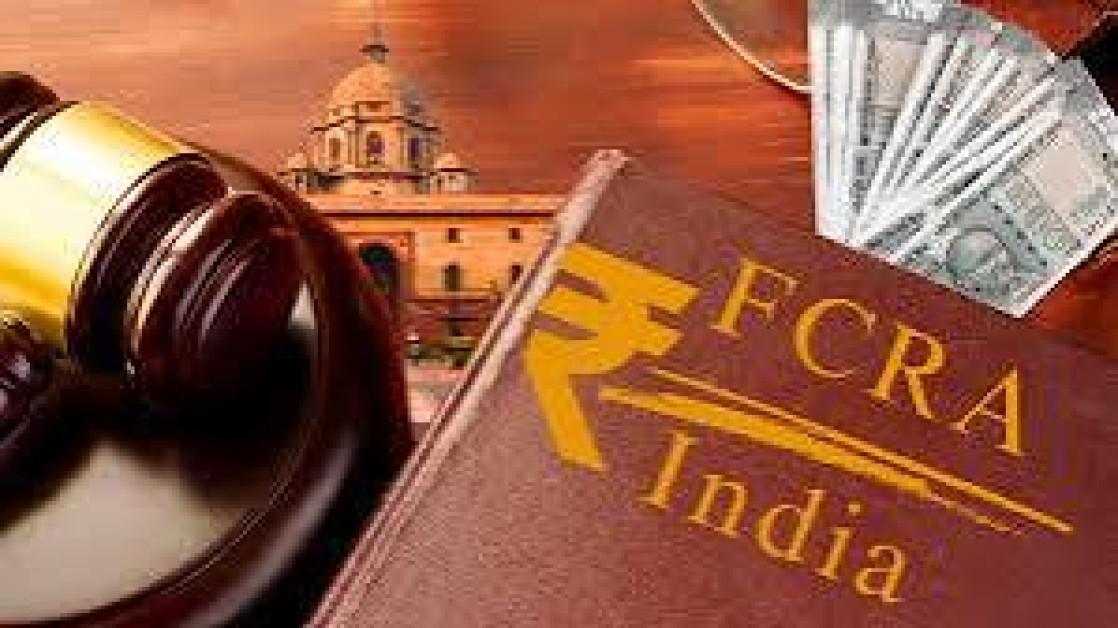
Parliament to Debate Foreign Contribution Regulation Act (FCRA) Amendments During Monsoon Session
India's Parliament is expected to deliberate on proposed amendments to the Foreign Contribution Regulation Act (FCRA) during the ongoing Monsoon Session, placing regulatory oversight of foreign contributions among the government's key legislative priorities.
The proposed amendments are aimed at strengthening the legal framework governing the acceptance and utilisation of foreign contributions by eligible organisations while improving transparency, accountability, and compliance. The discussions are expected to draw attention from non-governmental organisations (NGOs), charitable institutions, educational bodies, research organisations, and policy stakeholders.
Understanding the Foreign Contribution Regulation Act

The Foreign Contribution Regulation Act (FCRA) is the primary law governing the receipt and use of foreign contributions by certain individuals, associations, organisations, and institutions operating in India.
The legislation seeks to:
- Regulate foreign contributions
- Promote transparency in fund utilisation
- Strengthen financial accountability
- Protect national interests
- Ensure compliance with statutory requirements
- Monitor overseas funding flows
- Support responsible governance
Organisations receiving foreign contributions are required to comply with registration, reporting, and disclosure requirements under the Act.
Why the Government Is Proposing Amendments
The proposed amendments are intended to modernise the regulatory framework in response to evolving governance requirements and changing compliance practices.
The government's objectives include:
- Improving regulatory clarity
- Streamlining compliance procedures
- Enhancing financial transparency
- Strengthening oversight mechanisms
- Reducing administrative ambiguities
- Supporting efficient monitoring of foreign funds
- Aligning regulatory provisions with current governance practices
The final provisions will depend on parliamentary debate and legislative approval.
Organisations That Could Be Affected
The proposed changes may be relevant to a broad range of entities that receive foreign contributions.
These include:
- Non-governmental organisations (NGOs)
- Charitable trusts
- Educational institutions
- Research organisations
- Social welfare organisations
- Cultural institutions
- Healthcare organisations
- Religious and non-profit entities covered under the Act
Each organisation will need to assess any changes to compliance obligations once the legislation is finalised.
Key Areas Expected to Be Discussed
Lawmakers are expected to examine several aspects of the proposed amendments.
Potential areas of discussion include:
- Registration procedures
- Renewal requirements
- Reporting obligations
- Financial disclosures
- Fund utilisation norms
- Compliance monitoring
- Administrative procedures
- Enforcement mechanisms
Parliament may also consider amendments proposed during committee discussions or legislative debates.
Importance for Governance
The FCRA framework plays an important role in promoting accountability in the use of foreign contributions.
A robust regulatory system can help:
- Improve financial transparency
- Strengthen institutional governance
- Enhance public confidence
- Ensure regulatory compliance
- Promote responsible fund management
- Support effective oversight
The proposed amendments are expected to reinforce these governance objectives.
Impact on the Non-Profit Sector
The non-profit sector will closely monitor the outcome of the parliamentary discussions.
Organisations may evaluate:
- Compliance costs
- Administrative requirements
- Reporting timelines
- Documentation standards
- Operational processes
- Financial management systems
Any amendments could require organisations to update internal compliance frameworks after implementation.
Parliamentary Process
Before the amendments become law, the proposal will proceed through the standard legislative process.
This typically includes:
- Introduction in Parliament
- Debate in the Lok Sabha
- Consideration by the Rajya Sabha
- Discussion of proposed amendments
- Approval by both Houses
- Presidential assent
- Official notification
The final legislation may differ from the original proposal following parliamentary deliberations.
Broader Legislative Agenda
The FCRA amendments form part of the government's wider legislative programme during the Monsoon Session.
Other policy areas expected to receive attention include:
- Tax reforms
- Financial sector legislation
- Infrastructure development
- Administrative reforms
- Investment policies
- Economic growth initiatives
- Governance reforms
- Digital administration
These measures collectively reflect the government's focus on regulatory modernisation and institutional efficiency.
What Stakeholders Should Watch
Stakeholders should closely monitor:
- Parliamentary debates
- Committee recommendations
- Proposed amendments
- Official government notifications
- Implementation timelines
- Compliance guidelines
- Ministry clarifications
- Final legislative provisions
Organisations should avoid making operational changes until the final version of the legislation is enacted and notified.
Outlook
The proposed FCRA amendments are expected to remain an important item on Parliament's legislative agenda during the Monsoon Session. The outcome of the debate will be closely watched by organisations receiving foreign contributions, compliance professionals, and policy observers.
Any approved amendments are expected to influence governance standards, compliance practices, and the regulatory environment for foreign-funded organisations in India.
Conclusion
Parliament's debate on the proposed Foreign Contribution Regulation Act amendments underscores the government's continued focus on strengthening regulatory oversight and transparency in foreign funding. While the final provisions will emerge only after parliamentary consideration, organisations covered under the Act are expected to closely follow the legislative process and prepare for any future compliance changes arising from the approved amendments.
 Parliament to Debate FCRA Amendments During Monsoon Session FAQs
POST A COMMENT (0)
All Comments (0)
Replies (0)