





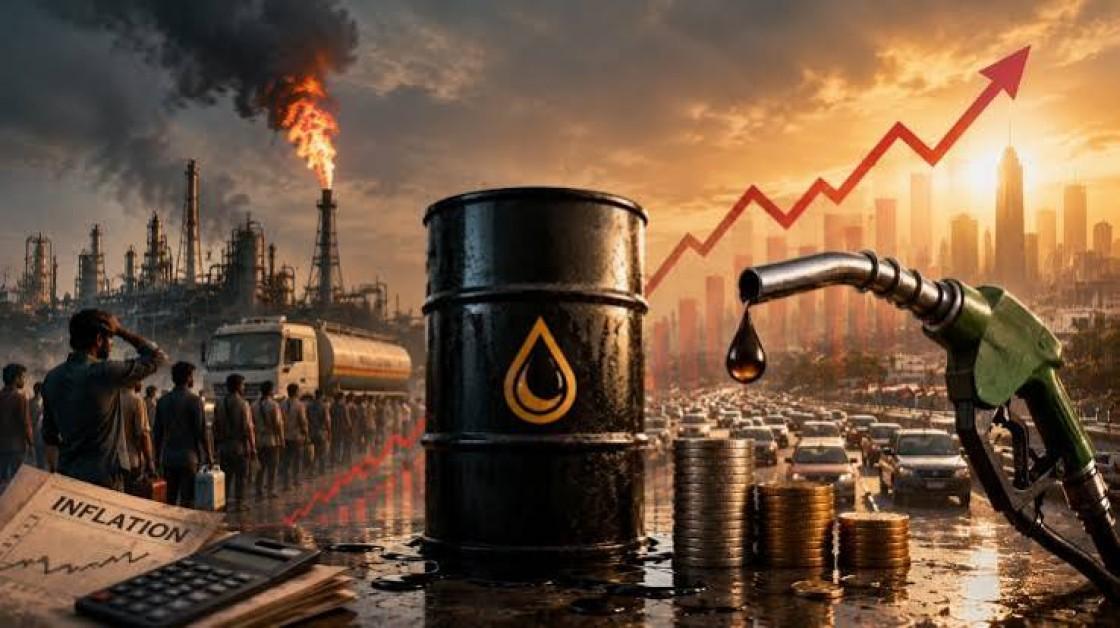
Government Closely Tracks Rising Crude Oil Impact on Economy Amid Global Price Volatility
The Central Government is closely monitoring the impact of rising global crude oil prices on the Indian economy as geopolitical developments, supply concerns, and fluctuating international demand continue to influence energy markets.
India, one of the world's largest crude oil importers, remains sensitive to sustained increases in oil prices. Higher crude costs can affect inflation, fuel prices, import expenditure, fiscal management, and overall economic growth, making energy price trends a key area of policy focus.
Officials are assessing developments across global energy markets while evaluating their potential implications for businesses, consumers, and macroeconomic stability.
Why Crude Oil Prices Matter for India

India imports a significant portion of its crude oil requirements, making international oil prices a major factor in the country's economic performance.
Higher crude prices can lead to:
- Increased import costs
- Greater demand for US dollars
- Pressure on the Indian rupee
- Higher transportation expenses
- Rising production costs
- Inflationary pressures
- Increased fiscal challenges
- Higher costs for energy-intensive industries
As a result, crude oil remains one of the most closely watched global commodities for Indian policymakers.
Impact on Inflation
One of the primary concerns arising from higher crude oil prices is inflation.
An increase in fuel costs can affect prices across multiple sectors because transportation and logistics play a critical role in the supply chain.
Areas that may experience cost pressures include:
- Food distribution
- Manufacturing
- Consumer goods
- Aviation
- Logistics
- Construction
- Agriculture
- Retail
Persistent energy inflation may influence overall consumer price trends and purchasing power.
Effect on the Indian Rupee
Higher crude oil prices generally increase the demand for US dollars, as oil imports are largely settled in the American currency.
This may result in:
- Pressure on the rupee
- Higher foreign exchange outflows
- Increased import costs
- Currency market volatility
Movements in the rupee also depend on foreign investment flows, global financial conditions, and broader market sentiment.
Government's Policy Focus
The government continues to monitor energy market developments while coordinating with relevant ministries and agencies to assess their economic impact.
Key areas of focus include:
- Energy security
- Inflation management
- Supply stability
- Fiscal planning
- Fuel availability
- Strategic policy coordination
- Trade balance
- Long-term energy resilience
Maintaining stability in essential sectors remains a priority amid volatile global markets.
Impact on Businesses
Rising crude oil prices can influence operating costs across numerous industries.
Sectors likely to be affected include:
- Airlines
- Oil marketing companies
- Logistics providers
- Automobile manufacturers
- Chemical producers
- Cement manufacturers
- Consumer goods companies
- Manufacturing businesses
Companies with higher fuel or transportation expenses may experience pressure on profit margins if elevated energy prices persist.
Fiscal and External Sector Implications
Higher oil prices can have implications for India's fiscal position and external accounts.
Potential impacts include:
- Larger import bill
- Pressure on the current account balance
- Increased subsidy expenditure where applicable
- Higher government spending requirements
- Changes in trade dynamics
The extent of these effects depends on the duration and magnitude of global oil price movements.
Global Factors Driving Oil Prices
Several international developments continue to influence crude oil markets.
These include:
- Geopolitical tensions
- Production decisions by major oil-producing countries
- Global economic growth
- Supply chain disruptions
- Inventory levels
- Seasonal demand
- Shipping constraints
- Currency movements
Energy markets remain highly sensitive to changes in any of these factors.
Long-Term Energy Strategy
Alongside managing short-term volatility, India continues to pursue long-term energy diversification.
Key initiatives include:
- Expanding renewable energy capacity
- Increasing domestic energy production
- Promoting electric mobility
- Improving energy efficiency
- Investing in strategic petroleum reserves
- Encouraging alternative fuels
- Supporting clean energy technologies
These initiatives aim to reduce long-term dependence on imported fossil fuels while strengthening energy security.
What Investors and Businesses Should Watch
Market participants are expected to monitor:
- Global crude oil prices
- Inflation data
- Rupee movements
- Government policy announcements
- RBI monetary policy
- International energy supply developments
- Global economic indicators
- Foreign investment trends
These factors will influence market sentiment and economic expectations in the coming months.
Outlook
The Indian economy remains resilient, but sustained increases in crude oil prices could continue to create challenges for inflation, imports, and currency stability. Policymakers are expected to closely track developments and respond through appropriate fiscal, monetary, and energy policy measures as required.
Long-term investments in energy diversification and infrastructure are expected to strengthen India's resilience against future commodity price shocks.
Conclusion
The government's close monitoring of rising crude oil prices reflects the strategic importance of energy markets to India's economic stability. While higher oil prices present challenges for inflation, imports, and business costs, India's diversified policy approach, improving infrastructure, and long-term energy transition initiatives are expected to support resilience. Businesses, investors, and consumers will continue to watch global energy trends and policy responses as market conditions evolve.
 Government Tracks Rising Crude Oil Impact on Indian Economy FAQs
POST A COMMENT (0)
All Comments (0)
Replies (0)